
Common Electrical Hazards in Older Homes
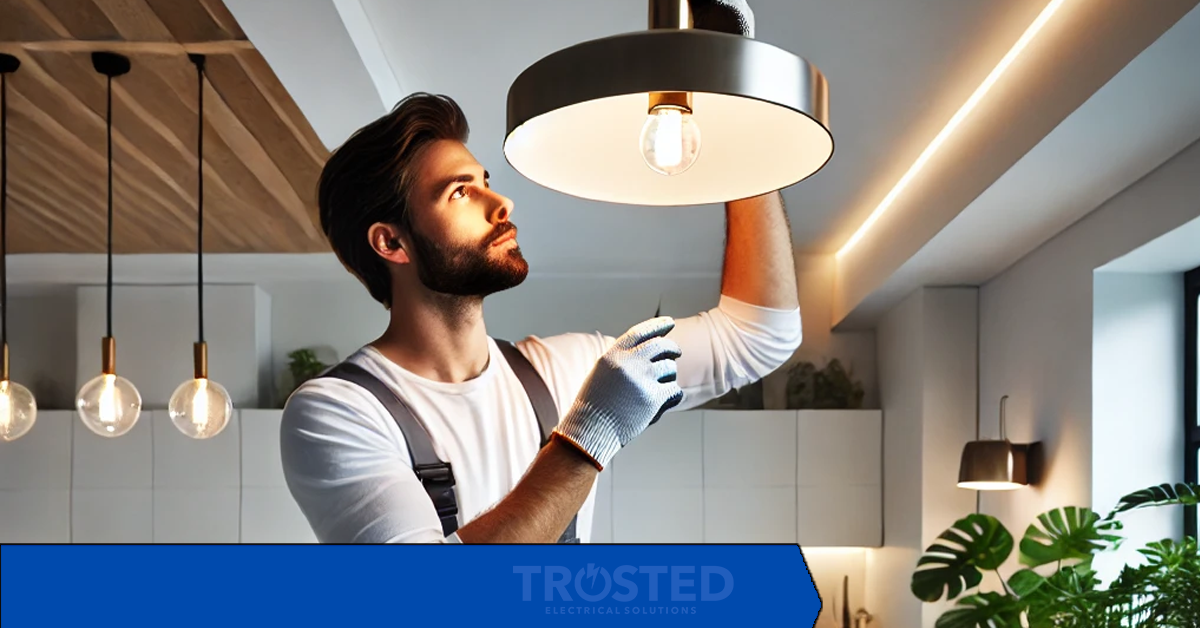
Older homes have character — and electrical systems designed for a world with one TV and no air conditioning. Which hazards you're living with depends a lot on when your house was wired. Here's the tour by era.
THE 1940s–60s HOUSE: knob-and-tube and two-prong everything
Some homes from this era still carry knob-and-tube wiring: no grounding conductor, cloth insulation, and a design that predates modern safety by decades. It increases the risk of electrical shock and it was never meant to be buried under attic insulation. Same era, same problem: two-prong outlets with no ground path — if your plugs don't have a third prong, your outlets don't have a ground either.
THE 1960s–70s HOUSE: the aluminum years
When copper got expensive, builders switched to aluminum branch wiring. The problem: aluminum expands and contracts with temperature swings far more than copper, so connections work themselves loose over the years — and a loose connection is a heat source, and a heat source is a fire risk. If your 60s- or 70s-era home still has its original aluminum wiring, it needs evaluation by a licensed electrician.
THE PRE-2000 HOUSE: the recalled-panel generation
Federal Pacific (FPE) and Zinsco panels — both subject to major safety failures — are still sitting in countless homes from this era. These breakers are known for failing to trip, which removes the one protection standing between an overload and a fire. An outdated panel doesn't just underperform; it actively fails to protect.
EVERY OLD HOUSE: the timeless four
- Overloaded circuits. Your home was wired for a fraction of today's load — HVAC, multiple electronics, modern appliances. Frequent breaker trips and overheating are the system telling you it's outgrown its design.
- Worn-out outlets and switches. Sparking, discoloration, plugs that fall out — all signs of internal wear and wiring problems that raise fire risk.
- Missing GFCIs. Modern code requires ground-fault protection in kitchens, bathrooms, and outdoor areas. Many older homes never got them, leaving shock risk anywhere water meets electricity.
- Too few outlets, too many cords. Fewer outlets per room means extension cords and power strips doing permanent duty — and permanent extension-cord use causes overheating. Adding outlets in key areas is one of the highest-value safety upgrades there is.
AND IN FLORIDA SPECIFICALLY: surge exposure
Frequent storms and lightning make power surges a constant threat, and older homes rarely have adequate surge protection. A whole-house surge protector at the panel guards every appliance and device behind it.
If your home predates modern electrical code — or you simply don't know what's behind the walls — a safety inspection answers the question in an afternoon. Trusted Electrical Solutions specializes in inspections, panel upgrades, rewiring, and GFCI installation for older homes across the Miami area: call 786-342-9582 or visit www.trustedelectricalsolutions.com to schedule yours.
Leave a comment
Tag Group
Recent Posts

About Author


Our Trusted Electrical Solutions takes great pride in delivering the best electrical services to our customers. We strive to ensure that each customer is satisfied with their experience.
If you are looking for an electrician, we encourage you to give us a call.
We look forward to helping you with all your electrical needs.

Quick Links
Business Hours
Mon - Sunday
24 Hours
Copyright © Trusted Electrical Solutions · Admin Login