
Essential Guide to Electrical Inspections During Renovations in Miami
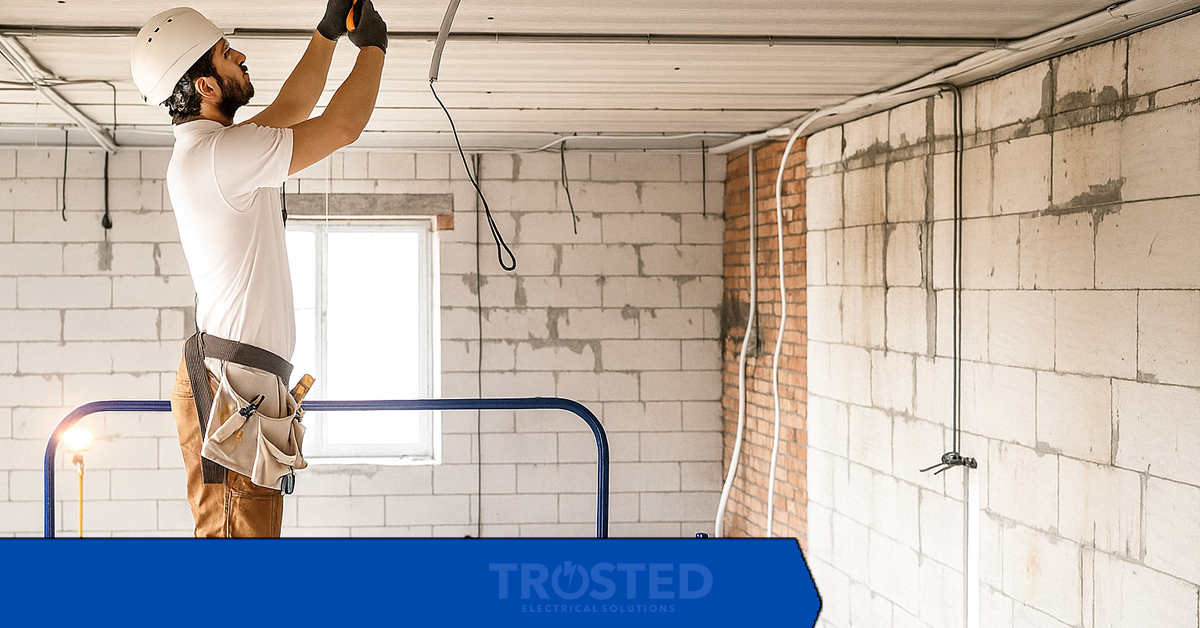
A renovation needs three electrical inspections: rough-in while the walls are open, trim after the devices are set, and a final check before the job signs off. Miss any one of them and the project can stall — or the walls may have to come open again. Knowing when each one happens keeps the renovation on schedule.
Inspection one: rough-in, while the walls are open
The rough-in inspection happens after the new wiring, boxes, and circuits are installed but before drywall goes up. The inspector checks wire sizes, box placement, grounding, and that circuits are run the way the approved plans show. This is the inspection that catches the expensive mistakes, because everything is still visible and cheap to fix. Schedule it the moment the wiring is done — not after the drywall crew is already booked.
Inspection two: trim, after the devices are set
The trim inspection comes once outlets, switches, light fixtures, and the panel trim are installed. The inspector checks that devices are wired correctly, that GFCI and AFCI protection is in the right places — kitchens, bathrooms, bedrooms, laundry, and outdoor outlets — and that the panel is labeled so anyone can find a circuit in an emergency. Loose devices, missing cover plates, and unlabeled panels are the most common trim failures, and all three are quick fixes.
Inspection three: final, before the job signs off
The final inspection confirms everything works as installed: every outlet tests correctly, every light works, the panel is complete, and the work matches the permit. Pass it, and the renovation is signed off. Fail it, and the inspector lists what to correct — usually small items, unless something was covered up before an earlier inspection.
What Miami inspectors look for
Miami's humidity and salt air corrode connections faster than in drier climates, so inspectors pay attention to outdoor and garage wiring, corrosion-resistant hardware, and proper sealing where wiring enters the house. Older homes often hide outdated wiring behind the walls, and the inspection is when that wiring is found. All work must meet the Florida Building Code with Miami-Dade County amendments — the rules that actually govern electrical work here.
Common reasons inspections fail
The short list: circuits not labeled in the panel, GFCI protection missing where it is required, boxes buried behind drywall before the rough-in inspection, and work done without a permit at all. Each one is avoidable with a licensed electrician who schedules inspections in the right order and keeps the paperwork straight.
The cost of skipping an inspection
Skipping an inspection saves nothing. Uninspected work can void insurance coverage if something goes wrong, stall a home sale when the buyer's inspector finds it, and cost far more to fix later than it would have cost to inspect — especially if walls have to open again. A renovation done right costs the same the first time; done wrong, it costs twice.
Quick FAQ
Who schedules the electrical inspections?
Your electrician or contractor schedules them with the building department as the work reaches each stage. Homeowners can schedule them too, but the electrician usually handles it as part of the job.
How long does each inspection take?
Usually under an hour on site for a typical residential renovation. The wait for an available inspection slot is the part that varies — book early in the week when you can.
What happens if an inspection fails?
The inspector lists the corrections. Your electrician fixes them and calls for a re-inspection. Most failures are small items, not a failed job.
Call Trusted Electrical Solutions at 786-342-9582 or visit www.trustedelectricalsolutions.com to schedule a free inspection and quote.
---
Leave a comment
Tag Group
Recent Posts



About Author


Our Trusted Electrical Solutions takes great pride in delivering the best electrical services to our customers. We strive to ensure that each customer is satisfied with their experience.
If you are looking for an electrician, we encourage you to give us a call.
We look forward to helping you with all your electrical needs.

Quick Links
Business Hours
Mon - Sunday
24 Hours
Copyright © Trusted Electrical Solutions · Admin Login