
Essential Guide to Solar Panels for Miami Homeowners
Solar panels reward homeowners who do things in the right order — and punish those who do not. The sequence is roof first, electrical panel second, orientation third, and paperwork throughout, and skipping ahead to the panels themselves is how a solar project ends up delayed, damaged, or underperforming. If you are folding solar into a renovation, here is the order.
Step one: the roof
Before any panel is ordered, evaluate the roof. Is it aging? Does it need repairs? A roof that will need replacing in five years should be replaced before panels go on it — removing and reinstalling panels to re-roof costs more than doing the roof first. Check for cracks, leaks, and loose shingles, and confirm the structure can carry the panel load.
Step two: the electrical panel
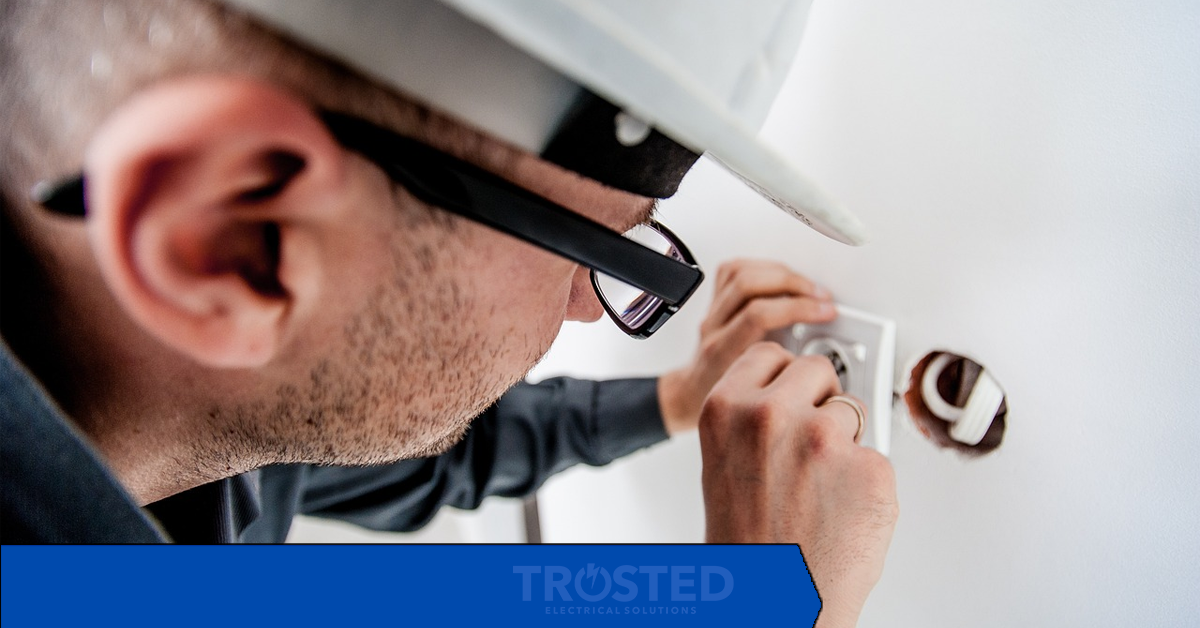
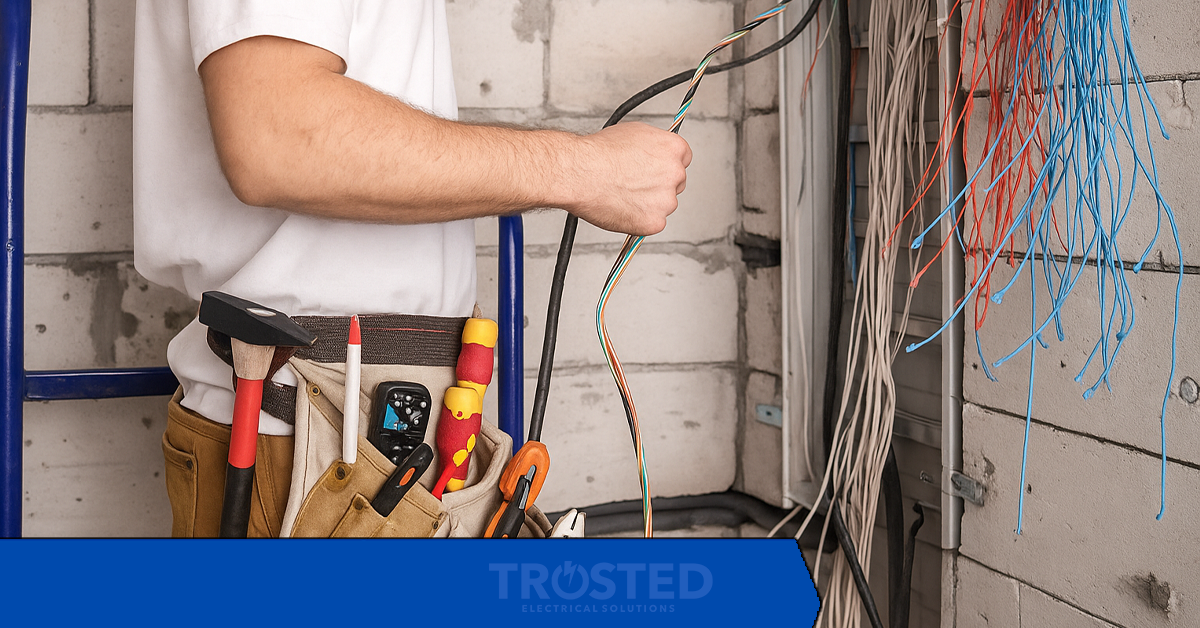
An aging electrical panel may need upgrading to handle solar's additional load, and older homes commonly need this step. Frequent breaker trips or power outages signal underlying electrical issues that must be fixed before solar, not after — solar installed on a weak system inherits every problem that system already had.
Step three: orientation and tilt
The optimal orientation is south, with a tilt that maximizes sunlight exposure. Homes with varied roof angles need an expert layout — the best panel placement is a calculation for your specific roof, not a guess from the street. A well-oriented smaller array outperforms a poorly placed larger one.
Step four: the paperwork, done in parallel
Miami-Dade County building codes and utility interconnection rules both apply to solar installations, and compliance avoids fines and delays. Your installer should navigate both — the building permit and the utility's interconnection process run alongside the physical work, not after it. Florida's net metering policies, which credit excess energy sent back to the grid, and any available state or local incentives, affect the economics — but program specifics change, so confirm the current rules before counting on a particular credit or incentive.
Efficiency first, panels second
Before going solar, invest in energy-efficient appliances and lighting. Every kilowatt-hour you stop using is one your solar system does not need to generate, so a smaller system covers a larger share of your needs. Solar on top of a wasteful home is a bigger system doing a smaller job.
Quick FAQ
Can I add solar during a renovation?
Yes — and renovation is the best time, because the roof, panel, and wiring work can be coordinated in one sequence instead of three separate projects.
Do solar panels work in Miami's humidity and salt air?
Yes, if you choose panels rated for coastal conditions. Standard panels in salt air corrode faster and underperform; coastal-rated equipment is built for this climate.
Will solar eliminate my electricity bill?
Not necessarily. Solar reduces it, sometimes dramatically, but the remaining balance depends on your usage, your system's size, and the current net metering rules — ask your installer for a realistic estimate for your home, not a brochure figure.
Ready to solve your electrical challenge? Call Trusted Electrical Solutions at 786-342-9582 or visit www.trustedelectricalsolutions.com to schedule your free inspection and quote today.
---
Leave a comment
Tag Group
Recent Posts

About Author

Our Trusted Electrical Solutions takes great pride in delivering the best electrical services to our customers. We strive to ensure that each customer is satisfied with their experience.
If you are looking for an electrician, we encourage you to give us a call.
We look forward to helping you with all your electrical needs.

Quick Links
Business Hours
Mon - Sunday
24 Hours
Copyright © Trusted Electrical Solutions · Admin Login