
Everything Miami Homeowners Must Know About Electrical Panels
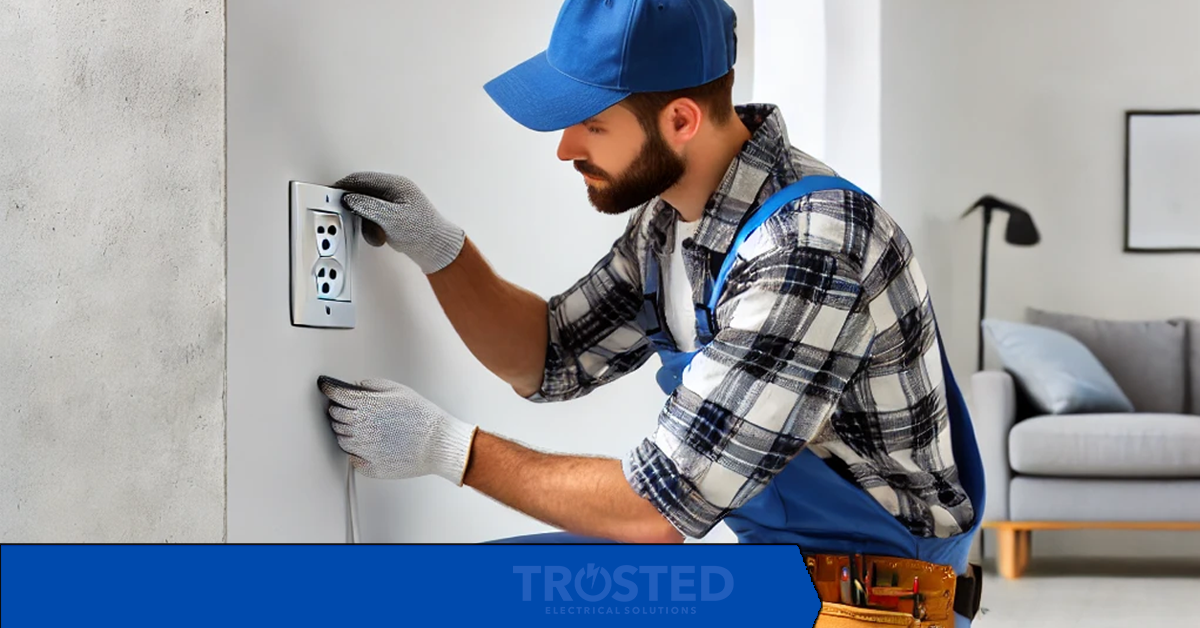
Every appliance in your home has an owner's manual. Your electrical panel is the one machine that runs all of them — and it is the one manual nobody reads. Here it is.
Section 1: Specifications
Your panel is the heart of your home's electrical system. It manages your electrical supply and decides how efficiently energy flows to everything from lighting to air conditioning — critical in a climate where the AC rarely rests. Older panels typically offer 100 amps. Modern homes, with their electronics, appliances, and chargers, usually need 150 or even 200 amps. If your home is older than 20 years, there is a good chance your panel no longer meets today's demands.
Section 2: Warning lights (symptoms that mean "stop and call")
- Flickering or dimming lights when other appliances run: the panel may be overloaded.
- Frequent breaker trips: a problem with the panel or chronic overloading. Do not ignore it.
- Buzzing sounds: a loose connection or a failing component. A buzzing panel is never a good sign.
- Burning smell near the panel: pull the plug on the situation — your safety is at stake. Call immediately.
Section 3: Environmental notes (South Florida edition)
Salt air causes corrosion. If you live near the coastline, make sure your panel is installed properly and built to withstand it — corrosion on contacts and connections is one of the most common causes of panel trouble here. Humidity accelerates the same damage, and storm season adds power surges to the list.
Section 4: Upgrade checklist
Before upgrading, confirm four things: amperage (100 vs 150/200 for your actual load), branch circuits (dedicated circuits for the refrigerator, HVAC, and other heavy appliances — if you lack them, the panel layout needs restructuring), code compliance (South Florida standards must be met, and an outdated panel may not comply), and installer qualifications (below).
Section 5: Hiring the installer
Experience with local codes — they must be well-versed in regulations from FPL and Miami-Dade County. Reputation — check reviews from other homeowners in your area. Insurance and licensing — a licensed, insured electrician protects your property and your interests. In neighborhoods with heavy renovation activity, where electrical demand shifts with every remodel, that experience matters even more.
Section 6: Maintenance schedule
Inspect your panel annually for dust, moisture, or corrosion — if you are unsure what you are looking at, call a professional. Do not overload circuits, especially in older homes that were not built for modern electrical needs. Install surge protectors, ideally before storm season, to guard against power spikes.
Section 7: Troubleshooting
Lights dimming when the AC kicks on? Breaker tripping every time the microwave runs? Burning smell, buzzing, or a panel that is warm to the touch? Those are not quirks — they are the warning lights in Section 2. Do not wait for the panel to make the decision for you.
Your panel is the hardest-working equipment in your house. Treat it like it has a manual — because now it does. If yours shows any warning sign, or has not been inspected in years, contact Trusted Electrical Solutions at 786-342-9582 or visit www.trustedelectricalsolutions.com to schedule a free inspection and quote.
---
Leave a comment
Tag Group
Recent Posts

About Author

Our Trusted Electrical Solutions takes great pride in delivering the best electrical services to our customers. We strive to ensure that each customer is satisfied with their experience.
If you are looking for an electrician, we encourage you to give us a call.
We look forward to helping you with all your electrical needs.

Quick Links
Business Hours
Mon - Sunday
24 Hours
Copyright © Trusted Electrical Solutions · Admin Login