
Light Fixtures FAQs: Your Guide
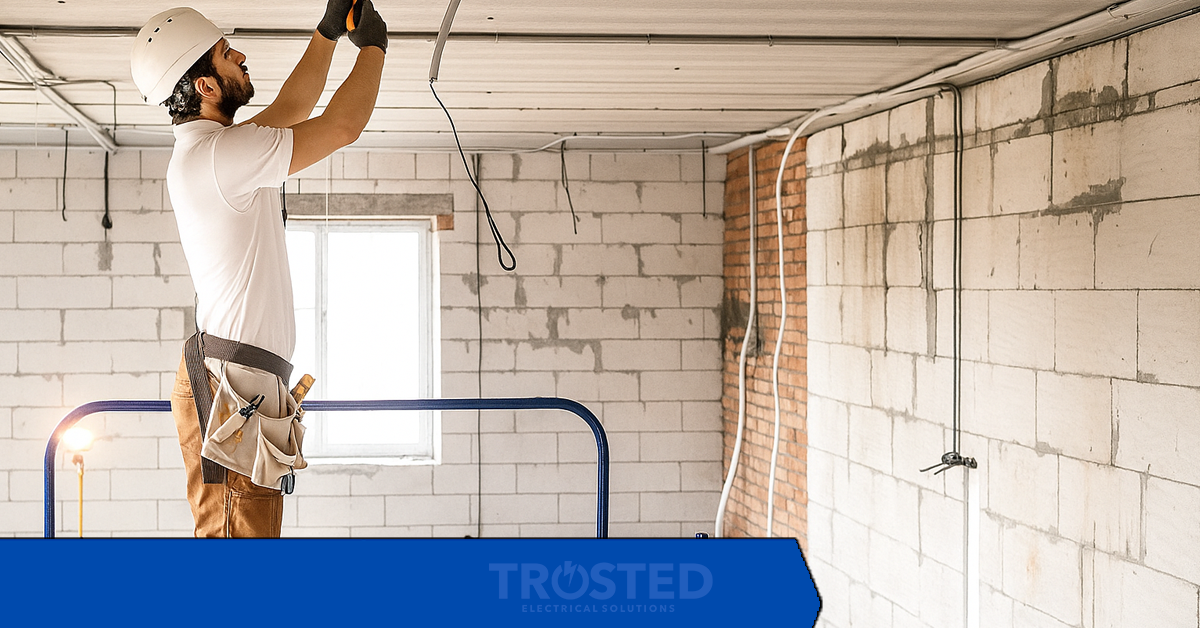
The right light fixture comes down to three things: the size of the room, the height of the ceiling, and the job the light has to do — and in Miami, humidity and salt air decide the materials. The five questions below are the ones homeowners actually ask, answered in the order they usually come up.
Question 1: which type fits the room?
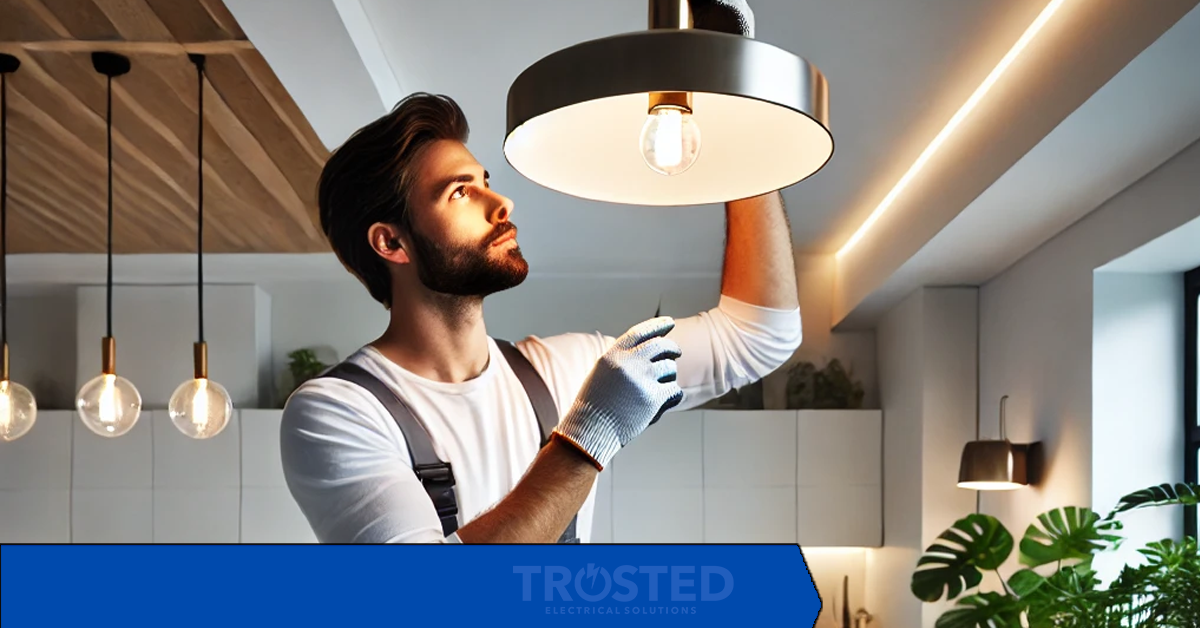
Chandeliers suit dining rooms and entryways, where they can be the focal point. Recessed lighting fits modern homes and gives a sleek, unobtrusive look. Wall sconces work for hallways and accent walls, adding soft light without taking floor or ceiling space. Outdoors, the type matters less than the rating — fixtures must be built for wet locations and resistant to corrosion. Match the fixture to the room first; the style follows from that.
Question 2: which bulb should I use?
Incandescent, LED, and CFL each have their place, but LED is the default answer for most Miami homes: it is energy-efficient, lasts far longer, and holds up better in humid conditions. Color temperature is the second choice — warmer tones create a cozy atmosphere, cooler tones feel more energizing — so pick the temperature for the room's mood, not just the brightest bulb on the shelf.
Question 3: what changes outdoors?
Everything about the weather works against an outdoor fixture here. Look for lights rated for wet locations and made from corrosion-resistant materials, so humidity and salt air do not eat them within a couple of seasons. Solar lights are a solid eco-friendly option for garden and path lighting, since they need no wiring at all.
Question 4: when is a fixture failing?
Four symptoms say a fixture needs attention rather than a new bulb: flickering lights or bulbs that burn out far too often, discoloration or rust on metal parts, buzzing sounds when the light is on, and a fixture that feels hot to the touch. Any one of these is worth an inspection, and a hot fixture is worth one promptly — it can mean a wiring problem behind the fixture, not a bulb problem inside it.
Question 5: how do I make my lighting efficient?
Use LED bulbs wherever they fit, install dimmer switches so brightness matches the moment instead of running full power all evening, and consider smart lighting that lets you control lights remotely and set schedules. Efficiency here is a stack of small choices, not one big purchase.
The maintenance round
Dust and dirt build up on fixtures and quietly cut brightness, so clean them regularly. Check bulbs and fixture connections whenever flickering appears, and schedule an annual inspection of your home's electrical system — especially in an older home, where wiring and fixture boxes may predate modern standards. Installation and replacement work falls under local building codes; a licensed electrician knows which jobs need a permit and which do not.
Quick FAQ
Can I put a chandelier in a room with a low ceiling?
Only if the clearance works — the bottom of the fixture should stay well above head height. In a low room, a flush mount or a short-drop fixture is the safer choice.
How often should my fixtures be inspected?
Once a year as part of a general electrical inspection, and right away if any fixture flickers, buzzes, or feels hot.
Are smart fixtures worth it?
For rooms where you want schedules, dimming, or remote control, yes. For a fixture that is simply on or off, a standard LED with a dimmer does the same job for less.
Call Trusted Electrical Solutions at 786-342-9582 or visit www.trustedelectricalsolutions.com to schedule a lighting consultation.
---
Leave a comment
Tag Group
Recent Posts


About Author


Our Trusted Electrical Solutions takes great pride in delivering the best electrical services to our customers. We strive to ensure that each customer is satisfied with their experience.
If you are looking for an electrician, we encourage you to give us a call.
We look forward to helping you with all your electrical needs.

Quick Links
Business Hours
Mon - Sunday
24 Hours
Copyright © Trusted Electrical Solutions · Admin Login