
Prepare Your Power Strips for Hurricane Season in Miami

Before a storm, inspect every power strip, replace the damaged ones, put sensitive electronics behind real surge protection, and unplug the non-essentials in a set order so the essentials stay safe. Hurricane season runs June 1 through November 30, and this whole prep takes an afternoon — do it before the forecast turns, not during it.
First to go: the damaged strips
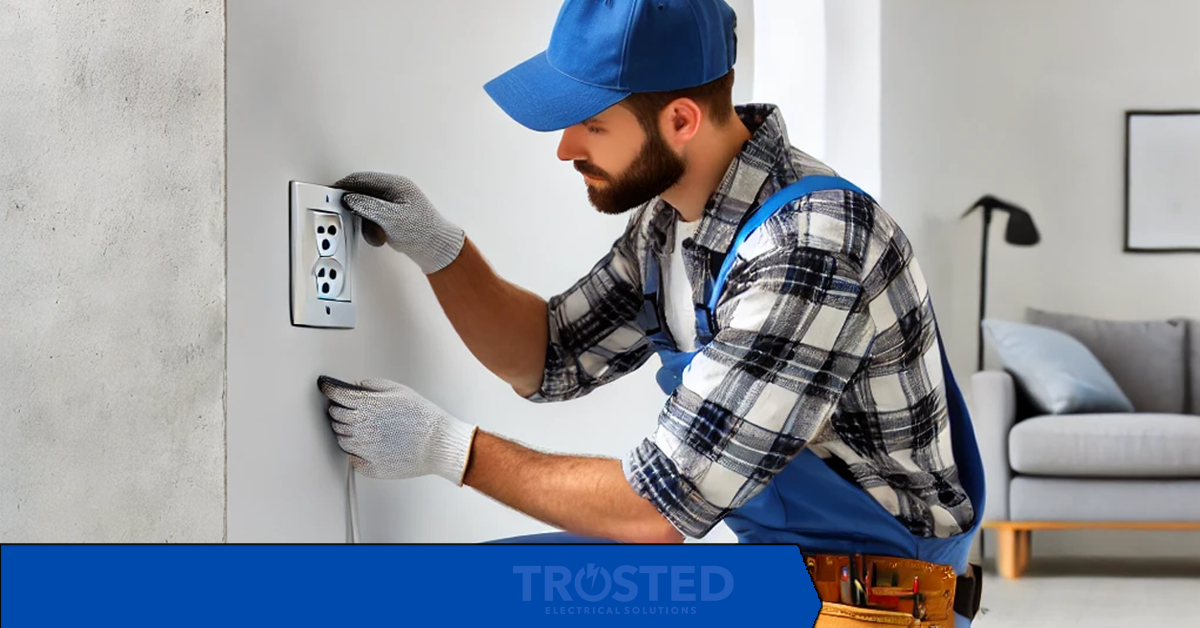
Inspect each strip before the season opens. Frayed or damaged cords can short-circuit. Burn marks or melted plastic mean the strip has already overheated. Plugs that fit loosely are a fire risk waiting for a surge. Any strip showing one of these signs goes in the trash and gets replaced with a new, high-quality one — preferably a surge-protecting model rated for the job.
Second: the overload
Each power strip has a maximum load, and exceeding it causes overheating and fire hazards. Group electronics by power need: heavy appliances like refrigerators and air conditioners belong on separate circuits from smaller devices, not sharing a strip with them. In older homes or homes with outdated wiring, the margin is thinner, so be extra careful about what shares a strip.
Third: the outdoor gear
Outdoor electronics need weather-resistant power strips, built to withstand moisture — for patio lights, grills, and anything else that lives outside. Plug outdoor strips into GFCI outlets, which protect against electrical shock where water is a factor. An indoor strip used outdoors is not a bargain; it is a hazard.
What stays on: real surge protection
A power strip protects what is plugged into it and nothing else. A whole-home surge protector, installed at the main electrical panel, covers the entire system at once — including the hardwired appliances no strip can reach. Use strips as the second layer for sensitive electronics, never as the only defense, and have the panel-side work done by a licensed electrician.
The label system
Label your power sources now, while it is calm: mark which outlets feed essential appliances and which feed non-essentials. When a storm approaches, you can unplug the non-essentials in minutes and keep the home running on what matters. Pair the labels with a family emergency plan — where the flashlights and batteries are, how to open the garage door manually, and which devices are critical to keep powered.
The breaker check
Before the storm hits, check the circuit breaker: confirm it works, confirm you can reach it easily in an emergency, and make sure everyone in the house knows how to reset it if a surge trips it. A breaker you cannot find in the dark is not a safety device.
Quick FAQ
Is a surge-protector strip enough for storm season?
No, not on its own. It protects what is plugged into it. Whole-house protection at the panel plus strips at sensitive devices is the combination that covers a home.
Can I use an indoor power strip outside during a storm?
No. Outdoor strips must be weather-resistant and plugged into GFCI outlets. An indoor strip exposed to rain or flooding is a shock and fire risk.
Should I unplug everything when the storm arrives?
Unplug the non-essentials and leave the essentials on protected circuits. A whole-home surge protector plus labeled outlets makes that decision quick instead of a scramble.
Call Trusted Electrical Solutions at 786-342-9582 or visit www.trustedelectricalsolutions.com to book a pre-storm electrical check.
---
Leave a comment
Tag Group
Recent Posts


About Author


Our Trusted Electrical Solutions takes great pride in delivering the best electrical services to our customers. We strive to ensure that each customer is satisfied with their experience.
If you are looking for an electrician, we encourage you to give us a call.
We look forward to helping you with all your electrical needs.

Quick Links
Business Hours
Mon - Sunday
24 Hours
Copyright © Trusted Electrical Solutions · Admin Login