
The Future of EV Charging: Powering the Road Ahead
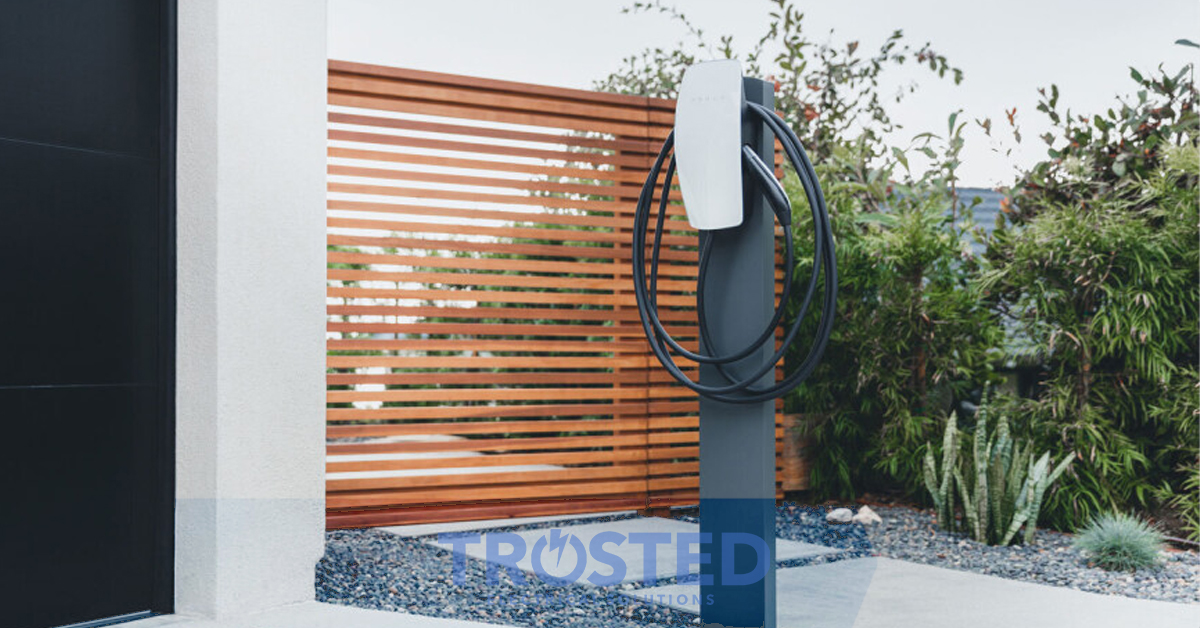
Electric vehicles are no longer a niche market — they're a mainstream choice for drivers and businesses alike. But charging has changed enormously to get here, and it's about to change again. Here's where it's been, where it stands, and where it's headed in your local area.
THEN: charging was an overnight affair
Not long ago, "EV charging" meant one thing: plugging into a standard 120-volt outlet in your garage and waiting. Level 1 charging — 2 to 5 miles of range per hour — worked if you drove little and slept a lot. Public infrastructure was thin, and any long trip took real planning.
NOW: a real menu of options
Today there are three tiers, each built for a different life:
- Level 1 (120V): still the slow-and-steady overnight option for light drivers.
- Level 2 (240V): 10 to 60 miles of range per hour, installed at homes, workplaces, and public stations — the sweet spot for most EV owners.
- DC fast charging: direct current, 60 to 200 miles of range in 20–30 minutes, lined up along highways and urban hubs for long-distance travel.
And the case for plugging in keeps getting stronger. Charge while you sleep, shop, or work instead of standing at a pump. Pay less per mile than gasoline, especially on off-peak home rates. Cut your driving emissions. And in many areas, collect rebates and incentives from governments and utilities for installing a charger.
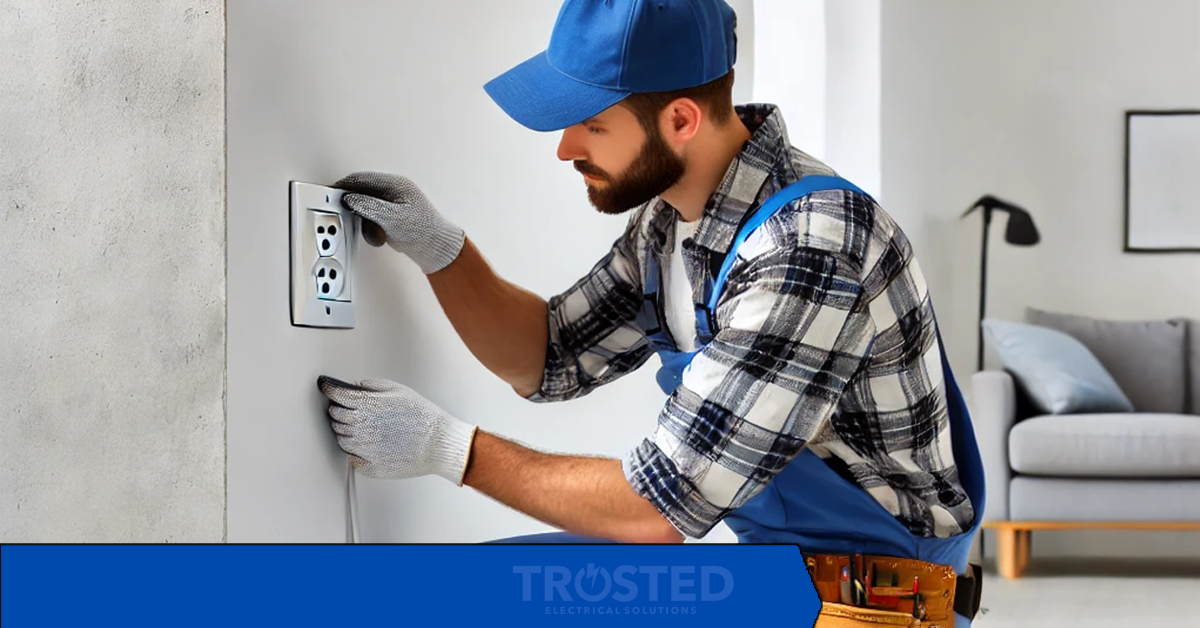
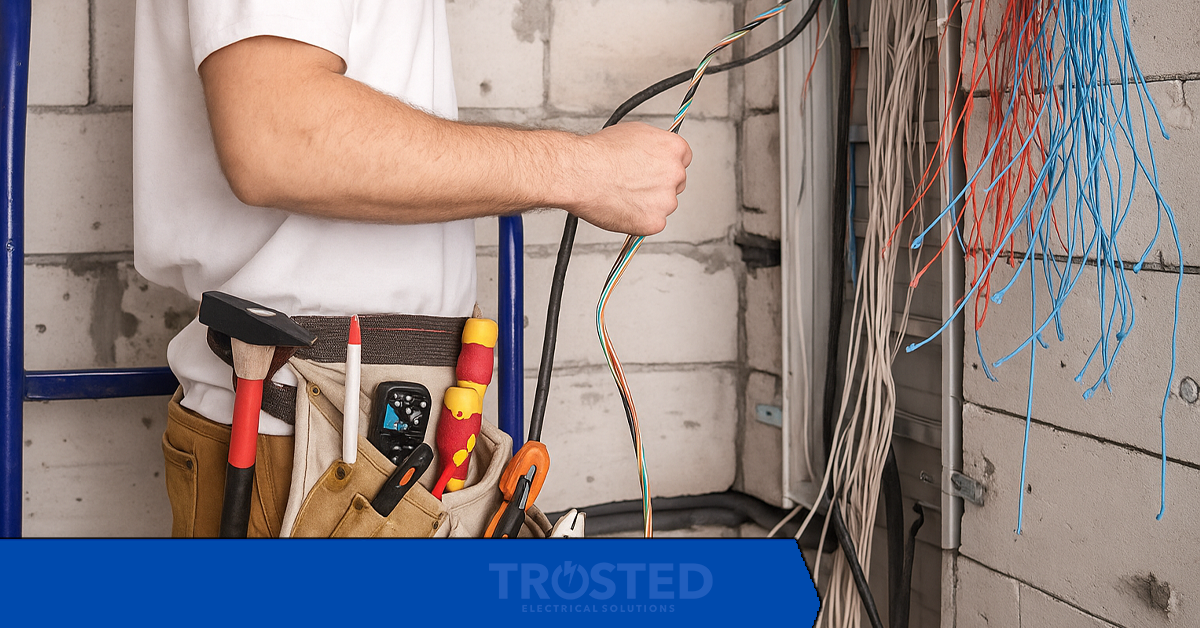
Thinking about a home charger? The only question that matters first is whether your electrical panel can handle it — a quick assessment by a licensed electrician answers it. Trusted Electrical Solutions does exactly that: 786-342-9582 or www.trustedelectricalsolutions.com.
NEXT: charging disappears into the background
The innovations arriving now point to a future where you barely think about charging at all. Wireless pads that charge your car just for parking over them. Ultra-fast chargers that cut sessions to minutes. Smart chargers that talk to your home energy system and pick the cheapest, greenest time to charge. And bidirectional charging — your EV sending power back to the grid during peak demand, turning the car into a backup battery for your house.
Local businesses are part of this arc too. Chargers in parking lots attract EV-driving customers, give employees a genuine perk, and put a company's environmental commitments where people can actually see them.
Getting in now
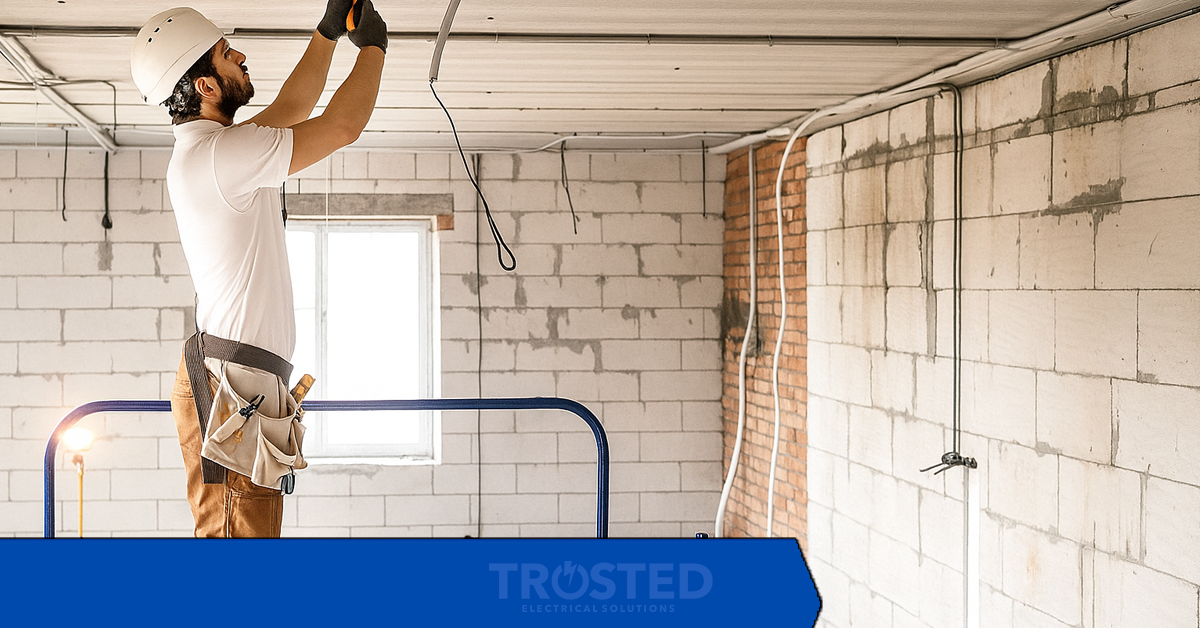
If you're installing at home, the path is straightforward: pick the charger level that matches your driving, get a licensed electrician to assess your panel, sort out local permits and available incentives, and have it professionally installed so it's safe and code-compliant.
The electric shift isn't coming — in Miami and surrounding areas, it's already parked in the driveway. The only question is whether your charging setup is ready for what's next.
Leave a comment
Tag Group
Recent Posts


About Author


Our Trusted Electrical Solutions takes great pride in delivering the best electrical services to our customers. We strive to ensure that each customer is satisfied with their experience.
If you are looking for an electrician, we encourage you to give us a call.
We look forward to helping you with all your electrical needs.

Quick Links
Business Hours
Mon - Sunday
24 Hours
Copyright © Trusted Electrical Solutions · Admin Login