
The Rise of Copper-Clad Aluminum (CCA): Advantages and Disadvantages
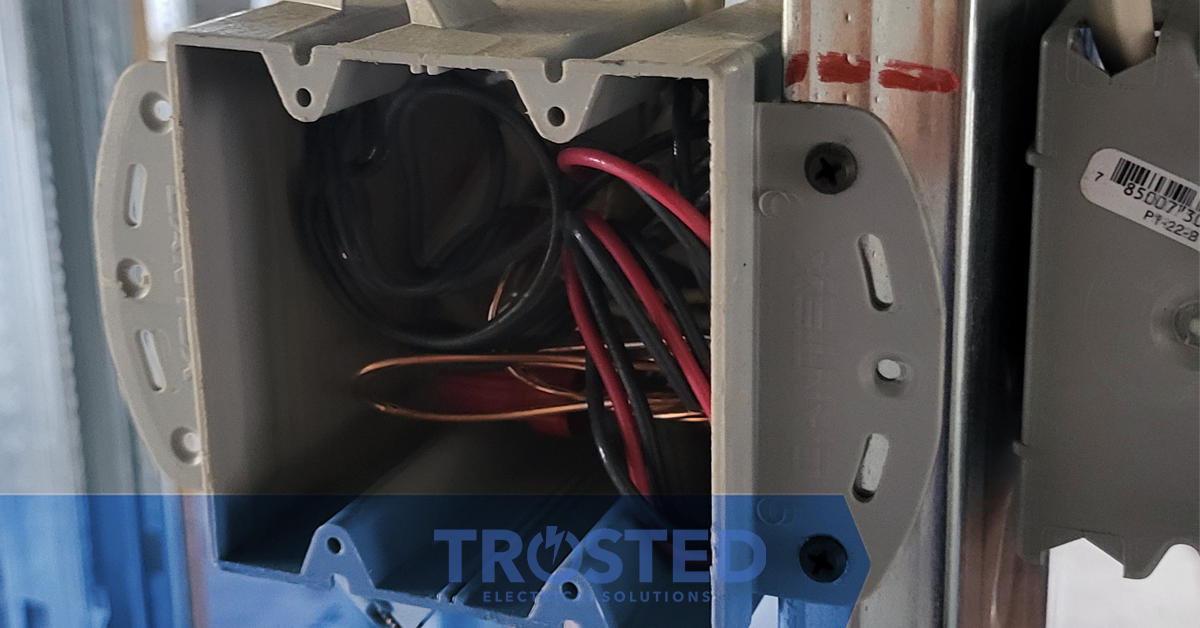
Copper-clad aluminum — CCA — is an aluminum wire core wrapped in a thin layer of copper. It was born in telecommunications and speaker wire, where it works fine, and it's now pushing into residential and commercial electrical work as copper prices climb. So how does the challenger stack up against the champ? Round by round:
Round 1: Cost — CCA wins
This is the whole reason CCA exists. Copper prices have surged, and CCA costs meaningfully less for the same run of wire. On a big job, the savings are real.
Round 2: Weight — CCA wins
CCA is significantly lighter than pure copper, which makes it easier to pull, handle, and install — a genuine advantage on large-scale commercial jobs and new residential developments.
Round 3: Conductivity — copper wins
The copper coating helps, but CCA still conducts worse than solid copper. In high-power applications that gap shows up as voltage drop and wasted energy. For low-voltage work like LED lighting and data cables it's sufficient; for a 240V appliance circuit, it's a compromise.
Round 4: Corrosion — CCA wins (against plain aluminum, anyway)
Pure aluminum wire oxidizes and that oxidation causes connection failures. The copper skin on CCA blocks that process, so it holds up better than the old aluminum wiring of the 1970s.
Round 5: Safety margin — copper wins
Here's the catch. The aluminum core still expands and contracts with heat more than copper does, which can loosen connections over time — and a loose connection is how overheating starts. Install it perfectly and it's manageable; install it casually and it's a fire risk.
Round 6: Code compliance — copper wins
The National Electrical Code restricts where CCA can be used, and some jurisdictions prohibit it outright in residential and commercial buildings. Before you spec it, confirm it's legal for your application with a licensed electrician who knows the local code.
Round 7: Durability — copper wins
CCA is more brittle than copper. In places where wire gets bent, flexed, or stressed, it's more likely to break down over the years.
The judges' scorecard
CCA is a legitimate budget option for the right low-stress, low-voltage applications — and a poor choice anywhere safety margin matters, like high-power circuits in a home. The decision comes down to your specific project, your budget, and what the code allows. If you're weighing a wiring upgrade or a new installation and want an honest read on which material fits, Trusted Electrical Solutions works with both residential and commercial projects across the Miami area: call 786-342-9582 or visit www.trustedelectricalsolutions.com for a consultation.
Leave a comment
Tag Group
Recent Posts



About Author


Our Trusted Electrical Solutions takes great pride in delivering the best electrical services to our customers. We strive to ensure that each customer is satisfied with their experience.
If you are looking for an electrician, we encourage you to give us a call.
We look forward to helping you with all your electrical needs.

Quick Links
Business Hours
Mon - Sunday
24 Hours
Copyright © Trusted Electrical Solutions · Admin Login