
Understanding Miami's Solar Panel Code Requirements for Your Home
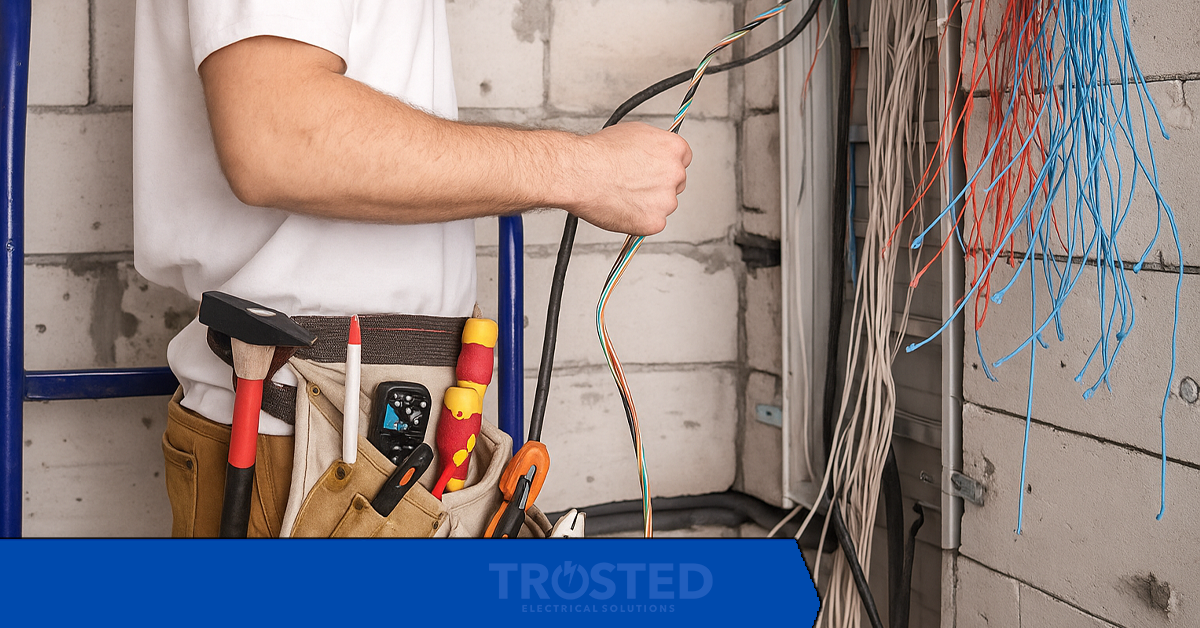
Solar panels in Miami need three things before they produce a single watt for your home: a permit, wiring and grounding that comply with the National Electrical Code, and mounting rated for hurricane wind loads — plus a utility interconnection application before the system connects to the grid. The rules come from the Florida Building Code and Miami-Dade County amendments; the utility's role is service and interconnection, not writing codes.
From the roof: mounting and wind load
Miami's hurricane exposure sets the mounting standard. Panels must meet specific wind-load criteria, and the mounting hardware and roof flashing have to be right, because a panel that lifts in a storm is a hazard to the roof and everything below it. The roof itself matters too: its age and condition decide whether it is ready to carry panels for the next twenty years, or whether roofing work comes first.
From the roof to the panel: wiring and grounding
Compliance with the National Electrical Code is mandatory for a solar installation. That means proper wiring and grounding of the whole system, a correctly sized inverter, and disconnects placed where they can be reached and used safely. Your existing electrical panel also gets a say: an electrician checks whether the breaker can handle the added load, because high summer demand plus a solar feed is exactly when an undersized panel shows it.
The permit file
All solar panel installations require a permit, issued through the Miami-Dade County Department of Regulatory and Economic Resources. A licensed contractor handles the submission and makes sure the design complies with local codes before any work starts — which is also what creates the record a future buyer or insurer will ask for.
The meter: interconnection and net metering
Before the system connects to the grid, you apply for interconnection with the utility. That means submitting the system's specifications and passing an inspection — the utility's service rules govern this step, not the building code. Once connected, net metering credits you for excess energy your system produces, so it pays to understand how those credits work before you size the system.
Before you sign: shade, maintenance, and warning signs
Shading decides output more than most owners expect: trees or nearby buildings that shade the roof for part of the day cut production, so placement is worth a careful look before anything is bolted down. Miami's humidity and salt air wear on electrical connections faster than inland climates do, so schedule regular professional maintenance checks — corrosion caught early is a cheap fix and a late one is not. And if output drops or the inverter shows a warning light, that is the moment to call, not the next season.
One more check: the HOA
Some homeowners associations have additional requirements or restrictions on solar energy systems. Check with yours before installation, so the permit is not the only approval you needed.
Quick FAQ
Do I need a permit to install solar panels?
Yes. Every solar installation in Miami-Dade County requires a permit, and the work must comply with the Florida Building Code and local amendments.
Does my roof need to be new before I add panels?
Not necessarily new, but sound. The roof should have enough life left to outlast the panels, and its condition is checked as part of the planning.
What is net metering?
It is the arrangement where the utility credits you for excess energy your solar system sends back to the grid. The details are set by the utility's service rules, so confirm the current terms before you size your system.
Call Trusted Electrical Solutions at 786-342-9582 or visit www.trustedelectricalsolutions.com to schedule a solar code and panel assessment.
---
Leave a comment
Tag Group
Recent Posts


About Author


Our Trusted Electrical Solutions takes great pride in delivering the best electrical services to our customers. We strive to ensure that each customer is satisfied with their experience.
If you are looking for an electrician, we encourage you to give us a call.
We look forward to helping you with all your electrical needs.

Quick Links
Business Hours
Mon - Sunday
24 Hours
Copyright © Trusted Electrical Solutions · Admin Login