
Why Smoke Detectors are Essential for Selling Your Miami Home
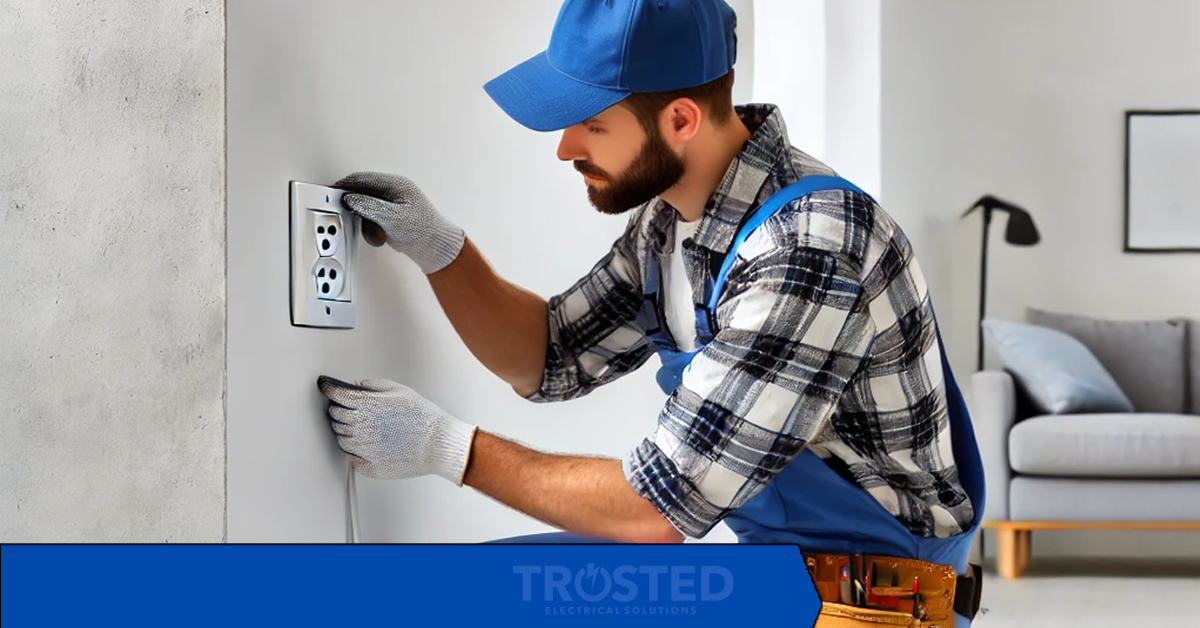
A buyer's inspector will check your smoke detectors — and missing, expired, or chirping units land on the inspection report, where they cost you far more in negotiation than a detector ever costs at the store. Before you list your Miami home, make sure every detector works, is under 10 years old, and meets Florida Building Code placement. It's one of the cheapest ways to protect your asking price.
What the inspector checks first
The inspection starts at the panel — hardwired detectors on their own circuit — then moves room to room. The inspector presses the test button on each unit and notes the manufacture date stamped on the back. Anything over 10 years old gets flagged as expired, full stop. A chirping unit gets flagged too, because to a buyer a chirp says "this home has deferred maintenance."
Placement is the other half of the check. Florida Building Code requires smoke alarms in every bedroom, in the hallway outside the sleeping areas, and on each story of the home. A house where the detectors were placed "wherever they were convenient" — one in the kitchen, none in the hallway — reads as an amateur installation, and buyers wonder what else was done amateurishly.
The Miami-specific problems inspectors find
Humidity and salt air age detectors faster here, and inspectors know it. Corroded battery contacts, dust-clogged sensors from constant AC cycling, and detectors mounted too close to steamy bathrooms are common findings. Hardwired detectors in older homes may also be on circuits affected by aging wiring — an inspector who finds flickering lights and a dead detector in the same hallway connects the two dots immediately.
Smart detectors are a genuine selling feature: an inspector's note saying "newer interconnected smart smoke detectors" photographs well in the report and gives the listing agent a line for the MLS description.
Your pre-listing action list
Walk the house with fresh eyes and test every detector — replace batteries, then replace any unit older than 10 years (check the date stamp, not your memory). Verify placement against code: bedroom, hallway, every level. Document the upgrades: keep the receipts and note "new smoke detectors installed [date]" — it's a line your agent can use and a detail that survives the inspection.
Quick FAQ
Will smoke detectors really affect my sale price?
They affect the inspection report, and the inspection report affects the negotiation. A $30 detector costs you $0 in concessions; an expired-detector finding costs you the buyer's confidence plus whatever they ask for on top of it.
Should I install hardwired or battery detectors before selling?
Battery detectors satisfy the immediate need and are inexpensive. But if your home is newer construction and code expects hardwired units with battery backup, match what's there — inconsistency looks worse than either choice.
Do smart smoke detectors help sell a home?
Yes, modestly. They don't change an appraisal, but "interconnected smart smoke detectors" is a real line item in a listing, and tech-comforted buyers notice it.
Ready to solve your electrical challenge? Call Trusted Electrical Solutions at 786-342-9582 or visit www.trustedelectricalsolutions.com to schedule your free inspection and quote today.
---
Leave a comment
Tag Group
Recent Posts


About Author


Our Trusted Electrical Solutions takes great pride in delivering the best electrical services to our customers. We strive to ensure that each customer is satisfied with their experience.
If you are looking for an electrician, we encourage you to give us a call.
We look forward to helping you with all your electrical needs.

Quick Links
Business Hours
Mon - Sunday
24 Hours
Copyright © Trusted Electrical Solutions · Admin Login