
Do You Need Permits for EV Chargers in Miami? What to Know

Do You Need Permits for EV Chargers in Miami? What to Know
As electric vehicles (EVs) gain popularity across the country, Miami homeowners and business owners are increasingly asking: Do I need a permit to install an EV charger? 🤔 Whether you’re cruising through *Kendall*, taking a stroll in *Coconut Grove*, or enjoying the vibrant streets of *Little Havana*, understanding the local regulations governing EV charger installation is crucial for a smooth process.
Why Permits Matter in Miami
Before you plug into the world of electric charging, it’s essential to navigate the permitting landscape effectively. Miami, with its unique blend of coastal humidity and diverse building codes, has specific rules in place to ensure safety and compliance. Failing to obtain the necessary permits can lead to fines, delays, and even the need to redo work. This is especially relevant in neighborhoods like *Coral Gables* and *Pinecrest*, where historical preservation and city regulations can complicate electrical installations.
Local Building Codes and FPL Regulations
When it comes to installing an EV charger, Florida Power & Light (FPL) has guidelines that you must adhere to. Notably, the requirements can vary based on the charger’s location and the type of installation (residential vs. commercial). For instance, if your property resides in *Brickell*, a bustling urban area, your installation might require more stringent checks compared to a quieter suburb like *Cutler Bay*.
Moreover, local codes may dictate the placement and electrical load of your charger. This is particularly important in areas prone to salt-air corrosion, where electrical components can degrade more rapidly. Using licensed electricians from Trusted Electrical Solutions ensures compliance with these local building codes and FPL regulations, saving you potential headaches down the line.
When Permits Are Required
In general, you’ll need a permit if you’re:
If you’re simply swapping out an old charger for a new one without changing the electrical layout, you might be in the clear, but it’s always best to consult with a professional electrician. 🔌
The Installation Process: What to Expect
After determining that a permit is necessary, the next step involves the installation process. Here’s a brief outline:
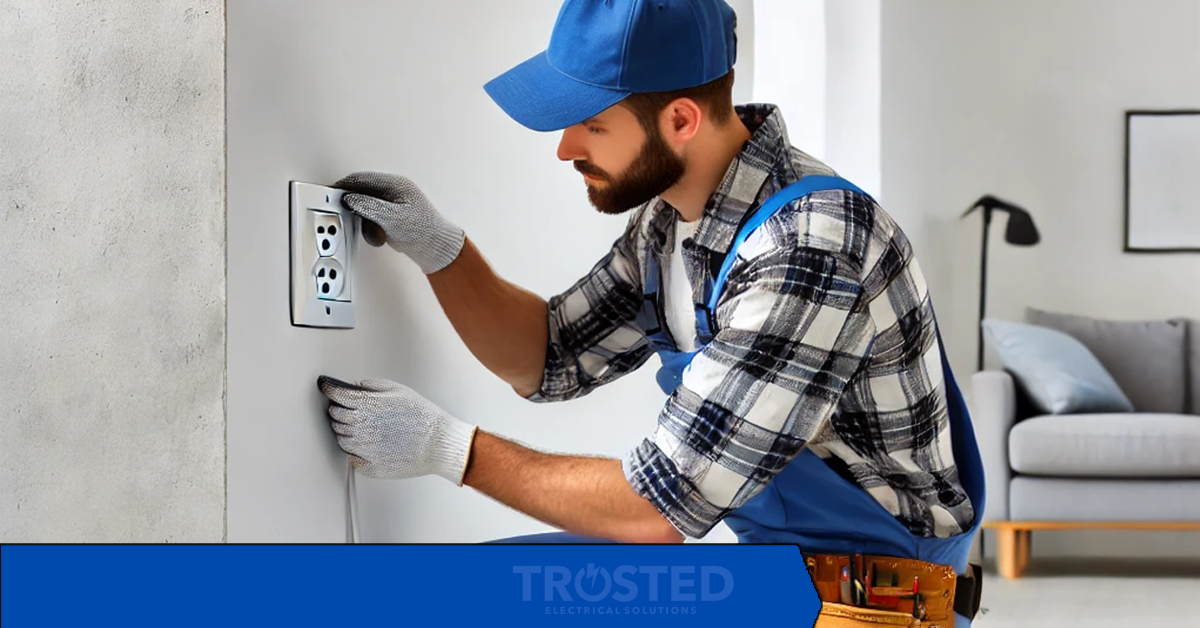
1. Contact Trusted Electrical Solutions: Call us at 786-342-9582 or visit trustedelectricalsolutions.com to schedule a consultation. Our licensed electricians will assess your home and advise on the best options based on your specific needs. 2. Obtain the Permit: We’ll help navigate the permit application process, ensuring all necessary paperwork is filed correctly and promptly. 3. Electrical Assessment: Your home’s electrical system will need to be evaluated to ensure it can support the new charger. This is especially crucial in older neighborhoods like *Miami Springs*, where aging infrastructure may present challenges. 4. Installation Day: On the scheduled date, our team will arrive to install the charger, adhering to both safety standards and local regulations. Expect a thorough check to ensure everything is up to code. 👷♂️ 5. Final Inspection: After installation, your local inspection authority may need to conduct a final check to ensure compliance with all codes. This step is essential to avoid future issues.
Common Concerns and Questions
1. How long does the permitting process take? While it can vary, permits generally take a couple of days to a few weeks to be processed depending on the complexity of your installation and local office backlogs. Areas like *Hialeah* with larger populations may experience longer wait times.
2. What if I don’t get a permit? Installing without a permit can result in fines and complications, especially if an inspection reveals unpermitted work. Moreover, it may hinder future property transactions or renovations.
3. Are there any rebates for EV charger installation? Check with FPL and local government programs, as many municipalities offer incentives for installing EV chargers, making the process more affordable.
Actionable Tips for Miami Homeowners
Conclusion: Let Trusted Electrical Solutions Light the Way
Installing an EV charger at your Miami home is not just about convenience; it’s about being part of a sustainable future. However, navigating the permitting process and ensuring compliance is essential to avoid complications. At Trusted Electrical Solutions, we’re here to guide you every step of the way.
Ready to solve your electrical challenge? Contact Trusted Electrical Solutions at 786-342-9582 or visit trustedelectricalsolutions.com to schedule your free inspection and quote today. Our team of licensed electricians is standing by to help. 💡
Leave a comment
Tag Group
Recent Posts


About Author


Our Trusted Electrical Solutions takes great pride in delivering the best electrical services to our customers. We strive to ensure that each customer is satisfied with their experience.
If you are looking for an electrician, we encourage you to give us a call.
We look forward to helping you with all your electrical needs.

Quick Links
Business Hours
Mon - Sunday
24 Hours
Copyright © Trusted Electrical Solutions · Admin Login