
Blog
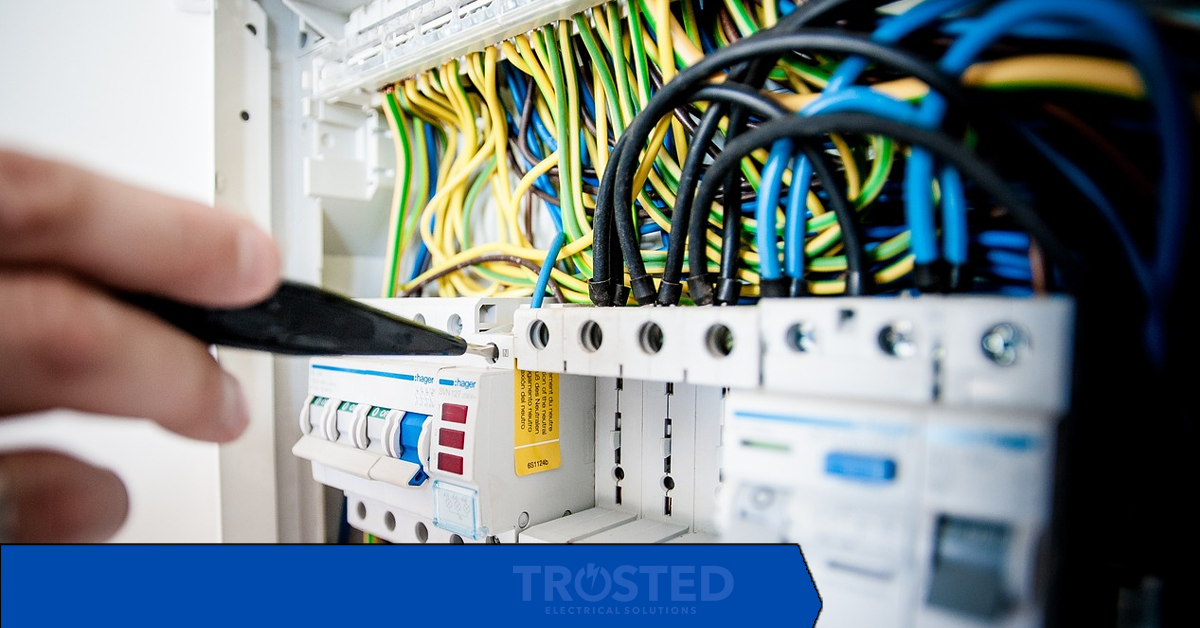
Essential Extension Cord Tips for Miami Homeowners Before Selling
27 May, 2026
263
Info
Everything Miami Homeowners Should Know About Extension Cords Before Selling Your House
As a Miami homeowner, you know how important it is to make your home appealing to potential buyers. From fresh paint to manicured lawns, everything counts. But have you considered how your electrical setup might influence a buyer's decision? 💡 One often-overlooked aspect is the use of extension cords. These handy tools can make life easier, but improper usage can also raise red flags during a home inspection. Let’s dive into what you need to know about extension cords before you put your house on the market.
The Miami Factor: Humidity and Corrosion
Living in Miami means dealing with unique environmental challenges. The high humidity levels and salty air can wreak havoc on electrical appliances and cords. If you have extension cords running through your house, be sure to check them for any signs of wear or corrosion. Look out for fraying, exposed wires, or any discoloration that might indicate they’ve taken a beating from the elements.
Tip: Store your cords in a dry place when not in use, and consider using indoor-rated extension cords for indoor applications. For outdoor use, opt for heavy-duty cords designed specifically for the outdoors. 🏠
Local Codes and Regulations
Miami-Dade County has specific electrical codes that homeowners must follow, especially when selling. Did you know that using extension cords as a permanent solution is against code? Buyers will want to see that your home is up to code and safe. Using extension cords as a substitute for permanent wiring can signal to buyers that there might be deeper electrical issues at play.
Warning Sign: If you find yourself relying heavily on extension cords, it might be time to consult a professional electrician. At Trusted Electrical Solutions, we can help evaluate your electrical system and ensure everything is up to par with Miami-Dade regulations. ⚠️
Proper Usage of Extension Cords
Extension cords can be lifesavers in a pinch, but they must be used responsibly. Here are some key points to consider:
Don't overload: Make sure not to connect too many devices to one cord. This can lead to overheating and potential fire hazards. 🔥
Keep them visible: If you need to run cords across rooms or outdoor spaces, use cord covers to prevent tripping hazards.
Check the wattage: Ensure that the appliances you plug into the extension cord do not exceed its rated capacity. This is especially crucial in our humid Miami climate, where overheating can lead to catastrophic failures.
The Right Extension Cord for the Job
Choosing the right extension cord is vital. Here’s a quick guide:
Indoor vs. Outdoor: Always choose outdoor-rated cords for use outside, as they are designed to withstand the elements.
Length Matters: Select a cord that’s long enough to reach your outlet without stretching or straining.
Gauge and Amperage: The lower the gauge number, the thicker the cord. Thicker cords can carry more electricity, making them more suitable for high-wattage appliances.
Local Considerations: Neighborhood Nuances
Depending on your neighborhood—whether it’s the upscale homes in Coral Gables or the vibrant streets of Little Havana—potential buyers will have different expectations. In areas like Wynwood, where aesthetics matter, visible extension cords can detract from your home’s appeal. On the other hand, in family-oriented neighborhoods like Palmetto Bay, safety and functionality will be paramount.
Pro Tip: If you have extension cords that are visible, consider hiding them with tasteful decor or furniture. This can improve the overall aesthetic of your home while also keeping safety in mind.
Common Electrical Issues in Miami Homes
Miami's aging infrastructure can pose challenges for homeowners. From old wiring to outdated circuit breakers, it’s essential to address any potential issues before listing your home.
Here are some common electrical problems you might want to check before selling:
Frequent circuit breaker trips: This could indicate an overloaded circuit, especially if you’re using extension cords extensively.
Dimming or flickering lights: This might suggest a wiring issue that needs inspection.
Burning smells or scorch marks: If you notice these signs, it’s crucial to call in a licensed electrician right away.
Professional Help is Just a Call Away
Before you list your home, consider having a professional inspection. At Trusted Electrical Solutions, we can help ensure your electrical system is safe and compliant with local codes. With our expertise, we can address any electrical concerns and enhance your home’s safety and appeal to buyers.
Wrapping Up
In conclusion, while extension cords serve a practical purpose, they can also be a double-edged sword when selling your home. By ensuring they are used properly and maintaining your overall electrical system, you can create a safer and more appealing environment for potential buyers.
Ready to solve your electrical challenge? Contact Trusted Electrical Solutions at 786-342-9582 or visit trustedelectricalsolutions.com to schedule your free inspection and quote today. Our team of licensed electricians is standing by to help. 👷♂️
 Jose Luis Rey
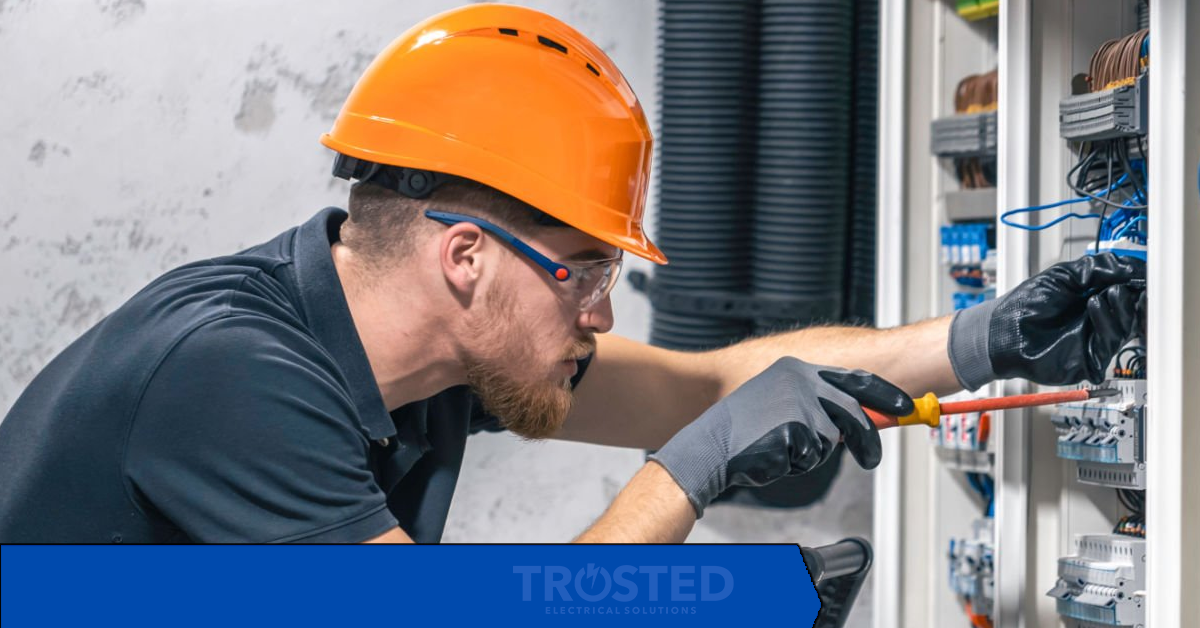
Essential Tips for Replacing EV Chargers in Miami
26 May, 2026
302
Info
What to Know Before You Replace EV Chargers in Miami
As electric vehicles (EVs) become increasingly popular in sunny Miami, homeowners and business owners alike are considering the best charging solutions. Whether you're in Kendall, Coconut Grove, or the vibrant streets of Wynwood, understanding the nuances of replacing your EV charger is crucial for both safety and efficiency. Here’s what you need to know before making that change. 🚗💡
The Miami Landscape: Unique Challenges
Living in Miami presents unique challenges for electrical installations, especially with the humid climate and salty sea air. These factors can lead to corrosion and deterioration of electrical components, including EV chargers. For instance, if you live in Palmetto Bay or Coral Gables, being aware of how the coastal environment affects your charger’s longevity is essential.
Moreover, with aging infrastructure and stringent building codes in places like Hialeah and Pinecrest, ensuring your new EV charger adheres to local regulations and is compatible with existing setups is vital. FPL (Florida Power & Light) has specific guidelines that you’ll need to follow, making it essential to consult with a local expert before proceeding. ⚠️
Knowing When to Replace Your Charger
Before you rush into replacing your EV charger, consider the following warning signs:
Frequent Tripping: If you notice your circuit breaker keeps tripping when you charge your vehicle, it may indicate that your charger is overworked or malfunctioning.
Physical Damage: Look for visible wear, such as cracked cords or exposed wires. In a humid climate, these can deteriorate faster than expected. 🔌
Inconsistent Charging: If your vehicle isn’t charging consistently, it could signify an issue with the charger rather than the car itself.
Age of the Charger: Chargers typically have a lifespan of about 5-10 years. If yours is older, it may be time to consider a replacement.
Making the Right Choice for Your Replacement Charger
When selecting a new EV charger, several factors come into play:
1. Charging Speed: Fast chargers can significantly reduce charging time, making them ideal for busy Miamians. Look for Level 2 chargers for home use; they can charge your vehicle overnight efficiently.
2. Smart Features: Modern chargers often come with smart technology that allows you to monitor and control your charging remotely via an app. This can be beneficial if you want to manage energy consumption and costs effectively.
3. Weather Resistance: Given Miami’s weather, opt for chargers with a weatherproof rating. Seek options with NEMA 4 or higher for durability against rain and humidity.
4. Local Support: Choosing a charger with a good reputation and local support can make maintenance and troubleshooting much easier. Trusted Electrical Solutions in Miami is a great resource for recommendations and installation. 👷♂️
Installation Considerations
Installing a new EV charger requires careful planning:
Location Matters: Ensure your charger is installed in a convenient location, ideally near your parking space. In bustling neighborhoods like Little Havana, where space is limited, consider wall-mounted options that save ground space.
Electrical Panel Capacity: Before installation, check if your electrical panel can handle the additional load. An electrician from Trusted Electrical Solutions can assess your panel and upgrade it if necessary.
Permits and Codes: Always check local building codes in your neighborhood. In areas such as Miami Springs and Westchester, permits may be required for charging station installations.
Maintenance Tips for Longevity
To ensure your EV charger lasts as long as possible, follow these maintenance tips:
Regular Inspections: Schedule annual inspections with a licensed electrician to check for wear and tear, particularly in humid areas.
Clean the Charger: Keep the charging port clean and free from debris. A simple wipe-down can prevent corrosion and ensure a good connection.
Monitor Performance: Use smart features (if available) to monitor charging patterns and detect any inconsistencies early.
The Bottom Line
Replacing your EV charger in Miami involves more than just picking a new one off the shelf. Consider local environmental factors, your home's electrical capacity, and the potential need for permits. By being proactive and informed, you can ensure that your new charger meets your needs and withstands the unique Miami climate.
When you're ready to tackle your electrical challenges, reach out to the experts at Trusted Electrical Solutions. Our team is equipped to guide you through the process of selecting and installing the right EV charger for your home or business.
Ready to solve your electrical challenge? Contact Trusted Electrical Solutions at 786-342-9582 or visit trustedelectricalsolutions.com to schedule your free inspection and quote today. Our team of licensed electricians is standing by to help! 🔥🏠
Jose Luis Rey
The Essential Guide to Smoke Detectors for Miami Homes
25 May, 2026
246
Info
The Essential Guide to Smoke Detectors for Miami Homes
In the vibrant city of Miami, where the sun shines bright and the humidity lingers, ensuring the safety of your home and loved ones is paramount. One crucial element in safeguarding your property is the smoke detector. But how much do you really know about these life-saving devices? Let’s dive into the truth about smoke detectors, focusing on the unique challenges faced by Miami homeowners and why Trusted Electrical Solutions is your go-to expert for electrical safety in the area. 💡
Understanding the Importance of Smoke Detectors
Smoke detectors are not just a legal requirement in many areas; they are essential for protecting your family from the dangers of fire. In Miami, where dense neighborhoods like Little Havana and Wynwood feature older buildings, the risk of electrical fires can be heightened by outdated wiring or poor maintenance. The National Fire Protection Association (NFPA) reports that three out of five home fire deaths occur in properties without working smoke alarms, making it vital to ensure your detectors are functioning correctly.
Local Considerations: Miami's Climate and Smoke Detectors
The unique Miami climate poses specific challenges for smoke detectors. The high humidity and salt-air corrosion can significantly affect the performance and lifespan of these devices. Homeowners in areas like Kendall and Coral Gables should be particularly vigilant, as moisture can lead to false alarms or even device failure. Regular maintenance is key!
Tip: Check your smoke detectors monthly to ensure they’re working. Replace batteries at least once a year and consider upgrading to models designed to withstand humidity. 🔋
Types of Smoke Detectors: Which One Is Right for You?
When choosing a smoke detector, it’s essential to understand the different types available:
Ionization Detectors: These are excellent for detecting flaming fires, such as those caused by cooking. However, they can be prone to false alarms, especially in humid areas like Miami Springs.
Photoelectric Detectors: These are better at detecting smoldering fires and tend to be less sensitive to cooking smoke. They are a great option for homes in Palmetto Bay.
Dual-Sensor Models: Offering the best of both worlds, these detectors can sense both types of fires, making them ideal for Miami homes with diverse cooking habits.
Essential Features for Miami Smoke Detectors
When shopping for smoke detectors, consider features that enhance safety, especially in Miami:
Humidity Resistance: Look for models specifically designed for humid environments.
Smart Technology: Modern smoke detectors can send alerts to your phone, keeping you informed even when you’re away from home.
Interconnectivity: Choose smoke detectors that can communicate with one another. This way, if one alarm goes off, all alarms will sound, providing maximum safety throughout your home. 🔔
Warning Signs Your Smoke Detector Needs Attention
Being proactive can save lives. Watch for these warning signs:
Frequent False Alarms: If your detector goes off for no reason, it may need replacing or a thorough cleaning.
Chirping Sounds: This often indicates low battery power or a malfunction. Don’t ignore it!
Age of the Detector: Smoke detectors should be replaced every 10 years. If yours is older, it’s time for an upgrade. 🔄
Local Building Codes and Regulations
In Miami, it’s crucial to adhere to local building codes regarding smoke detectors. The Miami-Dade County Building Code mandates that all new homes must have interconnected smoke alarms. Homeowners in Cutler Bay and other areas should ensure their smoke detectors comply with these regulations to avoid potential fines and, more importantly, to ensure safety.
The Role of Trusted Electrical Solutions
At Trusted Electrical Solutions, we understand the intricacies of electrical safety in Miami. Our licensed electricians can assist with everything from installing new smoke detectors to inspecting your existing systems. We offer free consultations and can ensure your home is up to code while providing peace of mind.
Practical Steps for Ensuring Your Safety
1. Regular Inspections: Schedule annual inspections with a trusted electrician to check your smoke detectors and other electrical systems.
2. Educate Your Family: Make sure everyone in your household knows how to respond in case of an alarm. Regular drills can make a real difference in an emergency.
3. Stay Informed: Keep up with local news and updates regarding electrical safety and regulations in Miami.
Conclusion: Don’t Delay on Safety
Smoke detectors are a small investment that can save lives. In a bustling city like Miami, where every moment counts, ensuring that your home is equipped with reliable smoke detection is non-negotiable. Whether you live in Brickell or Westchester, make it a priority to check your smoke detectors today.
Ready to solve your electrical challenge? Contact Trusted Electrical Solutions at 786-342-9582 or visit trustedelectricalsolutions.com to schedule your free inspection and quote today. Our team of licensed electricians is standing by to help. 🏠👷♂️
Jose Luis Rey
Surge Protection Tips for Miami Renovations: Your Guide
22 May, 2026
273
Info
The Miami Electrician’s Guide to Surge Protection During Renovations
When it comes to renovating your home in Miami, protecting your electrical systems from surges is an absolute must. With our vibrant sun, high humidity, and salty ocean air, Miami presents unique challenges that can wreak havoc on your electrical infrastructure. Whether you live in Kendall, Coral Gables, or Little Havana, understanding surge protection during renovations will keep your home safe and your electrical systems running smoothly.
Understanding Electrical Surges
Before we dive into the specifics of surge protection, let’s clarify what an electrical surge is. A surge is a sudden increase in voltage that can occur for a variety of reasons, including lightning strikes, power outages, or even malfunctioning appliances. These surges can damage your home’s wiring, appliances, and even lead to costly repairs or replacements.
Why Miami Homeowners Need Surge Protection
Miami's coastal environment brings specific challenges:
Humidity and Salt-Air Corrosion: The moist air can corrode electrical components over time, making them more susceptible to surge damage.
Aging Infrastructure: Many homes in neighborhoods like Palmetto Bay and Miami Springs may have outdated wiring that can’t handle modern electrical loads.
Frequent Thunderstorms: With our tropical climate, lightning strikes are common and can cause significant surges.
Given these factors, it’s clear why surge protection is essential during any renovation project.
Choosing the Right Surge Protection Solutions
1. Whole-House Surge Protectors: These devices are installed at your electrical panel and protect your entire home from surges. They act as the first line of defense and can prevent damage to all your electrical systems.
2. Point-of-Use Surge Protectors: These are the surge protectors you plug into outlets. While they are great for protecting individual devices like computers and televisions, they shouldn’t be your only line of defense.
3. Uninterruptible Power Supplies (UPS): If you have sensitive electronics or medical equipment, consider investing in a UPS. These devices not only protect against surges but also provide backup power during outages.
Installing Surge Protection During Your Renovation
When planning your renovation, integrating surge protection should be a priority. Here’s how you can effectively do this:
Consult with a Licensed Electrician: At Trusted Electrical Solutions, our team can assess your home’s electrical needs and recommend the best surge protection solutions tailored to your specific situation.
Evaluate Your Current Electrical System: Renovation is the perfect time to upgrade old wiring that may not meet current building codes or can’t handle the electrical load of modern appliances.
Consider the Layout: If you’re expanding your home or changing the layout, think about where surge protectors will be installed. Ensuring easy access to outlets and surge protectors is essential for effective use.
Warning Signs You Need Surge Protection
Are you unsure if you need surge protection? Look for these warning signs:
Frequent Tripped Circuit Breakers: If you find yourself resetting breakers often, it might indicate that your circuits are overloaded or that surges are occurring.
Flickering Lights: This can signal voltage fluctuations, a common precursor to surges.
Damaged Appliances: If you’ve recently replaced electronics due to malfunction, a surge could be the culprit.
If you notice any of these signs, don’t wait! Contact Trusted Electrical Solutions at 786-342-9582 for a free inspection.
Local Building Codes and Regulations
When renovating in Miami, it’s crucial to adhere to local building codes and FPL regulations. Ensure your electrical work is up to code by hiring licensed professionals who understand Miami’s unique regulations. Our experienced electricians at Trusted Electrical Solutions are well-versed in local codes, ensuring your renovation meets all safety standards.
Keeping Your Family Safe
Surge protection isn’t just about preserving your electronics—it's about safety. Surges can lead to electrical fires, which can be devastating. By investing in proper surge protection, you’re safeguarding not only your property but also the safety of your family.
Final Thoughts
In conclusion, as you embark on your renovation journey in neighborhoods like Wynwood or Brickell, don’t overlook the importance of surge protection. By implementing the right solutions, you can protect your investments and enjoy peace of mind knowing your home is safe from electrical surges.
Ready to solve your electrical challenge? Contact Trusted Electrical Solutions at 786-342-9582 or visit trustedelectricalsolutions.com to schedule your free inspection and quote today. Our team of licensed electricians is standing by to help. 💡
---
Additional Tips for Miami Homeowners
Regular Maintenance: Schedule routine inspections to ensure your electrical system is functioning correctly.
Educate Your Family: Make sure everyone in your household knows how to respond during a power surge or outage.
Emergency Preparedness: Keep emergency contacts handy, and consider a backup generator for extended outages.
By prioritizing surge protection during your renovations, you’re not just investing in your home but also in your family’s safety and comfort.
Jose Luis Rey
Why Miami Homeowners Should Invest in EV Chargers Today
21 May, 2026
261
Info
Why Miami Homeowners Should Invest in EV Chargers Today
In the vibrant heart of Miami, where the sun shines bright and the streets are alive with energy, there’s a growing trend that’s hard to ignore: electric vehicles (EVs). With the rise of eco-conscious living, many Miami homeowners and business owners are considering making the switch to EVs. But have you thought about the importance of having a dedicated EV charger at home? As the trusted voices in electrical services at Trusted Electrical Solutions, we’re here to shed light on why investing in an EV charger is a smart move for Miami residents.
The Miami Landscape and EV Adoption
Miami is known for its diverse neighborhoods, from the bustling streets of Brickell to the artistic vibes of Wynwood. As electric cars become more popular, areas like Coconut Grove and Coral Gables are increasingly seeing charging stations pop up. The local government is also encouraging EV adoption through incentives and infrastructure development.
But while public charging stations are a step in the right direction, having an EV charger at home offers unmatched convenience. Imagine pulling into your driveway in Kendall or Pinecrest and plugging in your vehicle without worrying about finding a public station. It’s more than just convenience; it’s about being part of a community that values sustainability and forward-thinking.
The Unique Challenges in Miami
Living in Miami comes with its own set of challenges, especially regarding electrical systems. The humidity and salt-air corrosion can affect electrical components, and the local infrastructure is often aging. When considering an EV charger, it’s crucial to work with a local expert like Trusted Electrical Solutions to ensure that your home’s electrical system can handle the additional load.
Signs You Need an EV Charger
If you’re pondering whether it’s time to invest in an EV charger, consider these signs:
Frequent trips to public chargers: If you find yourself constantly searching for public charging stations, it’s time to think about a home solution.
New EV purchase: Have you recently bought or are you planning to buy an electric vehicle? A home charger is essential to fully utilize your new car.
Increasing electricity needs: As we add more devices and appliances to our homes, our electrical systems can become strained. An EV charger will require a thorough assessment of your current setup.
Practical Advice for Miami Homeowners
When installing an EV charger in Miami, here are a few practical tips to keep in mind:
Check Local Codes: Ensure that your installation complies with Miami’s local electrical codes. This is where working with a licensed electrician from Trusted Electrical Solutions proves invaluable.
Consider Your Electrical Panel: Your existing electrical panel must handle the additional load from the charger. We can assess whether an upgrade is necessary.
Choose the Right Charger: Not all chargers are created equal. Depending on your EV model and your home’s electrical setup, we can help you choose the right charger that suits your needs — whether it’s a Level 1 or Level 2 charger.
Location Matters: Ideally, the charger should be installed close to where you park your vehicle. Whether it’s a garage in Palmetto Bay or a driveway in Little Havana, placement will make a significant difference in convenience.
The Financial Incentives
Investing in an EV charger can also lead to financial benefits. Many local and federal incentives are available for homeowners who install EV charging stations. This can offset installation costs and make the switch even more appealing. Plus, using an electric vehicle can significantly reduce fuel costs over time, especially in a city like Miami where gas prices can be high.
Environmental Impact
By switching to an electric vehicle and installing a charger at home, you’re not just making a personal choice; you’re contributing to a greener Miami. Electric vehicles produce fewer emissions than traditional gas-powered cars, helping to reduce air pollution in our beautiful city. This is especially important as we face challenges such as climate change and rising sea levels.
Ready to Make the Switch?
At Trusted Electrical Solutions, we are passionate about helping Miami residents transition to electric vehicles smoothly. Our team of licensed electricians is equipped to handle all your EV charger installation needs, ensuring that your home is ready for the future.
Ready to solve your electrical challenge? Contact Trusted Electrical Solutions at 786-342-9582 or visit trustedelectricalsolutions.com to schedule your free inspection and quote today. Our team of licensed electricians is standing by to help.
In conclusion, now is the perfect time for Miami homeowners to consider investing in EV chargers. The convenience, environmental benefits, and financial incentives make it a win-win situation. Let’s work together to electrify Miami, one charger at a time! 🔌💡
Jose Luis Rey
Tag Group
Recent Posts

About Author
Our Trusted Electrical Solutions takes great pride in delivering the best electrical services to our customers. We strive to ensure that each customer is satisfied with their experience.
If you are looking for an electrician, we encourage you to give us a call.
We look forward to helping you with all your electrical needs.

Quick Links
Business Hours
Mon - Sunday
24 Hours
Copyright © Trusted Electrical Solutions · Admin Login
Request a service