
Blog
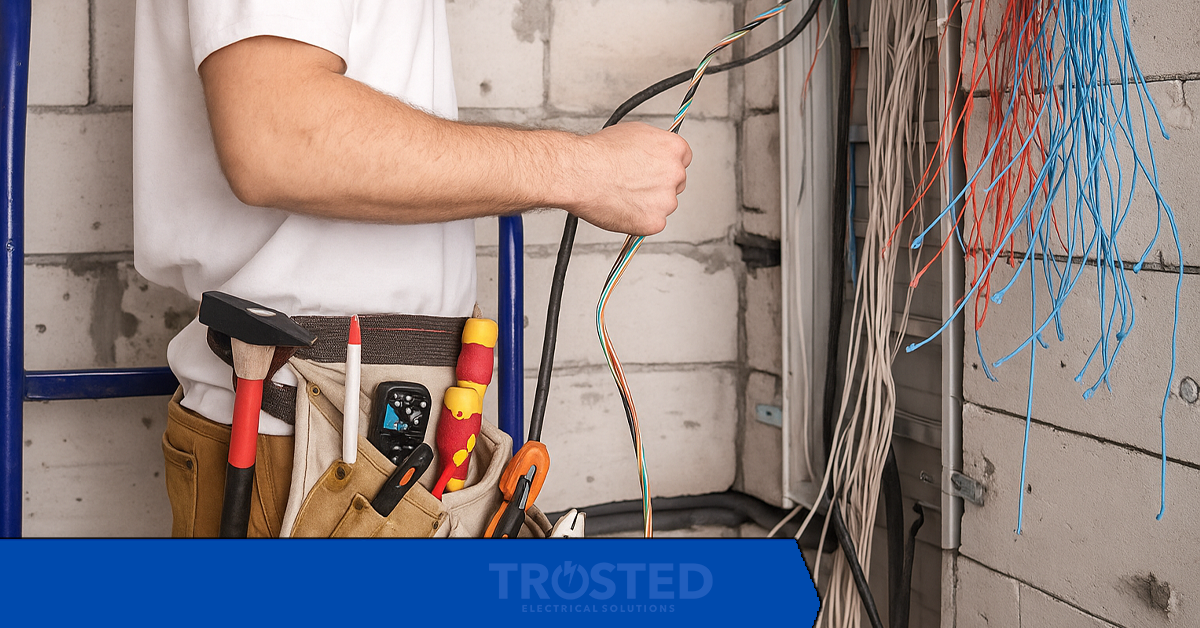
Understanding Miami's Solar Panel Code Requirements for Your Home
17 Jun, 2026
326
Info
Solar panels in Miami need three things before they produce a single watt for your home: a permit, wiring and grounding that comply with the National Electrical Code, and mounting rated for hurricane wind loads — plus a utility interconnection application before the system connects to the grid. The rules come from the Florida Building Code and Miami-Dade County amendments; the utility's role is service and interconnection, not writing codes.
From the roof: mounting and wind load
Miami's hurricane exposure sets the mounting standard. Panels must meet specific wind-load criteria, and the mounting hardware and roof flashing have to be right, because a panel that lifts in a storm is a hazard to the roof and everything below it. The roof itself matters too: its age and condition decide whether it is ready to carry panels for the next twenty years, or whether roofing work comes first.
From the roof to the panel: wiring and grounding
Compliance with the National Electrical Code is mandatory for a solar installation. That means proper wiring and grounding of the whole system, a correctly sized inverter, and disconnects placed where they can be reached and used safely. Your existing electrical panel also gets a say: an electrician checks whether the breaker can handle the added load, because high summer demand plus a solar feed is exactly when an undersized panel shows it.
The permit file
All solar panel installations require a permit, issued through the Miami-Dade County Department of Regulatory and Economic Resources. A licensed contractor handles the submission and makes sure the design complies with local codes before any work starts — which is also what creates the record a future buyer or insurer will ask for.
The meter: interconnection and net metering
Before the system connects to the grid, you apply for interconnection with the utility. That means submitting the system's specifications and passing an inspection — the utility's service rules govern this step, not the building code. Once connected, net metering credits you for excess energy your system produces, so it pays to understand how those credits work before you size the system.
Before you sign: shade, maintenance, and warning signs
Shading decides output more than most owners expect: trees or nearby buildings that shade the roof for part of the day cut production, so placement is worth a careful look before anything is bolted down. Miami's humidity and salt air wear on electrical connections faster than inland climates do, so schedule regular professional maintenance checks — corrosion caught early is a cheap fix and a late one is not. And if output drops or the inverter shows a warning light, that is the moment to call, not the next season.
One more check: the HOA
Some homeowners associations have additional requirements or restrictions on solar energy systems. Check with yours before installation, so the permit is not the only approval you needed.
Quick FAQ
Do I need a permit to install solar panels?
Yes. Every solar installation in Miami-Dade County requires a permit, and the work must comply with the Florida Building Code and local amendments.
Does my roof need to be new before I add panels?
Not necessarily new, but sound. The roof should have enough life left to outlast the panels, and its condition is checked as part of the planning.
What is net metering?
It is the arrangement where the utility credits you for excess energy your solar system sends back to the grid. The details are set by the utility's service rules, so confirm the current terms before you size your system.
Call Trusted Electrical Solutions at 786-342-9582 or visit www.trustedelectricalsolutions.com to schedule a solar code and panel assessment.
---
 Jose Luis Rey

Home Rewiring in Miami: Essential Insights for Homeowners
16 Jun, 2026
320
Info
Rewiring is the one home project where the paperwork matters as much as the wire: permits, plans, and a final inspection are what turn new wiring into a documented, insurable upgrade. Follow the paper trail below from first call to final sign-off.
Step 1: the assessment — does your home need it?
The signs are consistent: circuit breakers that trip often, lights that flicker persistently, a burning odor that demands immediate help, and wiring from before the 1990s that no longer meets modern safety standards. Humidity and salt air make the case stronger here — corrosion wears wiring down over time, and coastal homes feel it first. An assessment by a licensed electrician confirms whether the answer is rewiring or a smaller repair.
Step 2: the permit file — what gets submitted
Before any work starts, a licensed electrician identifies which permits the project needs. Plans are then submitted to the Miami-Dade County Department of Regulatory and Economic Resources, which confirms the rewiring complies with local codes. This step protects you twice: it forces the design to meet safety standards before walls close up, and it creates the record that future buyers and insurers ask for.
Step 3: the work — what happens behind the walls
During the job, local conditions shape the details: weatherproof outlets and proper ventilation counter humidity-driven moisture damage, and coastal corrosion is checked wherever wiring is exposed. The same visit often surfaces the common issues older homes carry — overloaded circuits from today's device load, too few outlets for modern living, and missing surge protection against tropical storms. Fixing them while walls are open costs far less than opening those walls twice.
Step 4: the final inspection — the document that closes the file
After the work is complete, an inspection confirms the job meets safety standards. Treat this as the deliverable, not a formality: it is the paper that says the work was done right, and it is what the next owner, insurer, or permit reviewer will want to see.
Preparing for the work itself
Clear the work area so electricians can reach it without moving your furniture themselves. Plan for temporary power disruptions — rewiring interrupts supply by nature, so arrange alternatives ahead of time. And use the planning conversation to discuss energy-efficient options, like LED lighting and smart home integrations, that are cheapest to add while the walls are already open.
Quick FAQ
Do I really need a permit to rewire my home?
Yes. Rewiring is permitted work in Miami-Dade County, and the permit plus final inspection are what make the upgrade documented and insurable.
How do I know if my home needs rewiring or just repairs?
The assessment decides: isolated symptoms with sound wiring mean repairs; widespread signs — frequent trips, flickering across rooms, pre-1990s wiring — point to rewiring.
Will rewiring disrupt my power?
Temporarily, yes. Plan for outages during the work and discuss the schedule with your electrician so the disruption lands where it costs you least.
Call Trusted Electrical Solutions at 786-342-9582 or visit www.trustedelectricalsolutions.com to start with a rewiring assessment.
Jose Luis Rey

Time to Maintain Your Backup Generator? Find Out Now!
15 Jun, 2026
329
Info
A generator that sits idle for months will fail quietly — fuel goes stale, batteries weaken, and filters clog — and you only discover it when the power goes out. The 12-month clock below spreads the maintenance across the year so nothing is left to outage day.
Monthly: the test run
Run your generator periodically, even when you do not need it. Listen while it runs: grinding or rattling points to mechanical trouble or loose parts. Watch the lights it powers: flickering or dimming when the generator kicks in signals an output problem. A test run that finds a fault in peacetime is a free lesson; the same fault during a storm is a crisis.
Quarterly: fuel and battery
Fuel degrades. Generators run on gasoline or diesel, and old fuel causes performance problems, so replace stale fuel with fresh and keep propane tanks filled with connections secure. Batteries deserve the same rhythm: check for corrosion, confirm the charge, and remember that a weak battery leaves you powerless at the exact moment backup matters most.
Annually: the professional inspection
Once a year, a licensed electrician should inspect the unit thoroughly for wear and output problems. This is also the visit that checks compliance with local codes and the utility's service rules for generator installations — requirements that change over time and that a homeowner is not expected to track alone.
Before storm season: the readiness pass
Hurricane season runs June 1 through November 30, so make the pass before it opens: clean or replace the air filter (salty, dusty air clogs it faster here), confirm fuel is fresh and full, run a full test under load, and clear debris and vegetation from around the unit for airflow and safety. Then leave it ready, not half-serviced.
Warning signs that skip the schedule
Some symptoms do not wait for their slot on the clock: smoke or unusual fumes mean a serious malfunction — stop the unit and call a professional immediately. Frequent kick-ins without storms, persistent strange noises, and dimming lights all mean the inspection moves up to this week, not next quarter.
Quick FAQ
How often should I run my generator?
Regularly — a periodic test run under load keeps fuel moving, the battery charged, and small problems visible while they are still small.
What if I smell smoke or see fumes?
Stop the generator and call a professional right away. That is not a maintenance item; it is a malfunction that needs diagnosis before the unit runs again.
Can I handle maintenance myself?
The basics, yes: test runs, fuel freshness, filter cleaning, and battery checks. The annual inspection and anything involving wiring, output, or code compliance belongs to a licensed electrician.
Call Trusted Electrical Solutions at 786-342-9582 or visit www.trustedelectricalsolutions.com to book your generator's annual service.
---
Jose Luis Rey

Upgrade Your Backup Generator: Essential Tips for Miami Residents
12 Jun, 2026
351
Info
A backup generator earns its keep exactly once — during the outage when you need it most. Grade yours against the five exam questions below before storm season, and the upgrade decision makes itself.
Question 1: how often does it need repairs?
If you are calling for generator repairs more often than you would like, frequency itself is the diagnosis. A unit that needs constant attention is usually nearing the end of its lifespan, and repair bills stack up against a replacement that would simply work.
Question 2: can it carry today's load?
Homes accumulate appliances and systems over the years. If your generator struggles to keep up with what your home now asks of it, it is undersized for the present — not broken, just outgrown. A load calculation, done properly, settles the question with numbers instead of guesses.
Question 3: how old is it?
A backup generator generally lasts 10 to 15 years. Past that range, especially after years of humidity and salt air, performance during an outage becomes a gamble rather than a guarantee. Age alone is a legitimate reason to upgrade.
Question 4: is it drinking more fuel?
Rising fuel consumption or irregular operation signals declining efficiency. An efficient replacement saves money over time, and fuel prices in a storm season are the wrong moment to discover the old unit's appetite.
Question 5: does it meet current code?
Electrical codes change, and a generator that no longer complies is both a safety hazard and a potential source of fines. An upgrade brings the installation up to current requirements under the Florida Building Code and Miami-Dade County amendments, including the utility's service and interconnection rules for the connection itself.
Choosing the replacement
Size it by calculated power needs — too small fails under load, too large wastes fuel and money. Pick the fuel type that fits your location: gasoline, propane, or natural gas each have cost and availability trade-offs. Weigh automatic against manual start: automatic units kick in on their own, manual ones need you there to start them. And consider noise, especially in densely built areas — quieter models keep the peace with neighbors during a long outage.
Keeping the new one ready
Professional installation is not optional for a standby unit: licensed electricians make sure it is installed correctly, complies with local regulations, and is safe to use. After that, annual inspections, regular test runs, and a clear area around the unit keep it ready — the same routine that would have caught most of the failures in the exam above.
Quick FAQ
How long should a backup generator last?
About 10 to 15 years with proper maintenance. Coastal humidity and salt air push toward the shorter end of that range.
Automatic or manual start — which is better?
Automatic, for most homeowners: it starts whether you are home or not, which is exactly when outages tend to happen. Manual suits smaller budgets and owners who are reliably on site.
Do I need a professional to install a generator?
Yes. Sizing, fuel connections, panel work, and code compliance all require a licensed electrician, and mistakes here are dangerous as well as expensive.
Call Trusted Electrical Solutions at 786-342-9582 or visit www.trustedelectricalsolutions.com to schedule a generator upgrade consultation.
---
Jose Luis Rey

Essential Insights on Smoke Detectors During Home Renovations
11 Jun, 2026
360
Info
Renovations are the best time to fix your smoke detectors and the easiest time to ruin them — dust, disconnected wires, and moved walls can all leave a home less protected than before the work started. Treat the handoff note below as part of the job, not an afterthought.
Before demolition: map what you have
Walk the house and record every detector: its age, its type, and where it sits. The stakes are high — according to the National Fire Protection Association, nearly 3 out of 5 home fire deaths occur in homes without working smoke alarms. If any unit is older than ten years, the renovation is the moment to replace it with a newer model rather than reinstalling an expired one.
During the work: protect the system
Dust is the enemy of a smoke detector: cover units that stay in place, never paint over one, and keep detectors out of the direct path of demolition dust. When walls move, placement rules move with them — detectors still belong on every level, inside bedrooms, and outside sleeping areas, reassessed against the new floor plan rather than the old one. And if your home has multiple detectors, keep them interconnected so that when one sounds, they all do — a feature that matters most in larger homes, where a distant alarm may not wake anyone.
At handoff: the five checks
Before the crew leaves, verify five things: every unit is under ten years old; placement covers every level, bedrooms, and sleeping areas under the new layout; units are interconnected; each one passes its test button; and there is a battery plan — fresh batteries now, replacements at least once a year, or 10-year-battery models where they fit. Miami's climate adds one more check: salt air and humidity corrode electrical components, so detectors in a renovated home should be rated for humid environments, and any hardwired work must comply with the Florida Building Code and Miami-Dade County amendments. Your electrician should also confirm the detectors tie into the electrical system correctly under the utility's service rules — codes come from the building code, not from the utility, but the connection itself still has to be right.
Warning signs during and after the work
Frequent false alarms after renovation usually mean a detector is misplaced or dust-damaged. Chirping means a low battery or a unit near the end of its life. Visible damage or discoloration from smoke or humidity means replacement, not cleaning.
Quick FAQ
Should I replace my smoke detectors during a renovation?
Yes, if any are near or past ten years old. Renovation is the cheapest time to do it, since walls are already open and the electrician is already on site.
Do my detectors really need to be interconnected?
If you have more than one, yes — interconnected alarms are the difference between a warning in one room and a warning everywhere. Most modern hardwired systems support it.
Do I need a permit for smoke detector work?
Battery-powered units need none. Hardwired detector work done as part of a permitted renovation falls under that job's permit, so it is covered when the electrician handles it as part of the project.
Call Trusted Electrical Solutions at 786-342-9582 or visit www.trustedelectricalsolutions.com to add a detector review to your renovation plan.
---
Jose Luis Rey
Tag Group
Recent Posts


About Author

Our Trusted Electrical Solutions takes great pride in delivering the best electrical services to our customers. We strive to ensure that each customer is satisfied with their experience.
If you are looking for an electrician, we encourage you to give us a call.
We look forward to helping you with all your electrical needs.

Quick Links
Business Hours
Mon - Sunday
24 Hours
Copyright © Trusted Electrical Solutions · Admin Login
Request a service