
Blog
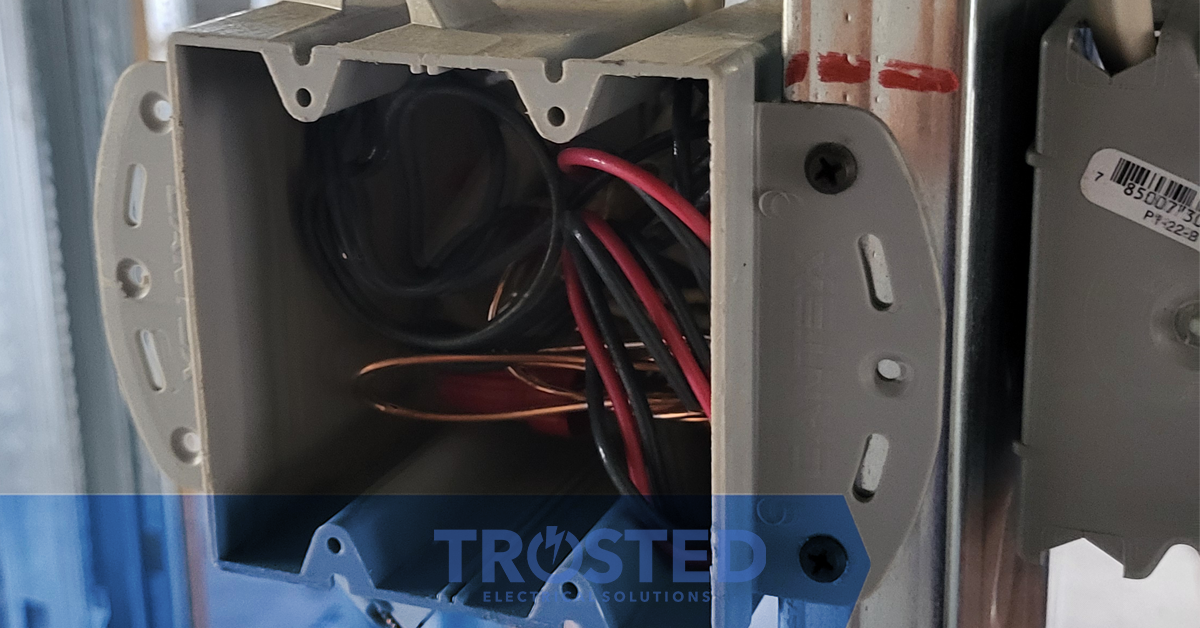
The Rise of Copper-Clad Aluminum (CCA): Advantages and Disadvantages
20 Feb, 2025
592
Info
Copper-clad aluminum — CCA — is an aluminum wire core wrapped in a thin layer of copper. It was born in telecommunications and speaker wire, where it works fine, and it's now pushing into residential and commercial electrical work as copper prices climb. So how does the challenger stack up against the champ? Round by round:
Round 1: Cost — CCA wins
This is the whole reason CCA exists. Copper prices have surged, and CCA costs meaningfully less for the same run of wire. On a big job, the savings are real.
Round 2: Weight — CCA wins
CCA is significantly lighter than pure copper, which makes it easier to pull, handle, and install — a genuine advantage on large-scale commercial jobs and new residential developments.
Round 3: Conductivity — copper wins
The copper coating helps, but CCA still conducts worse than solid copper. In high-power applications that gap shows up as voltage drop and wasted energy. For low-voltage work like LED lighting and data cables it's sufficient; for a 240V appliance circuit, it's a compromise.
Round 4: Corrosion — CCA wins (against plain aluminum, anyway)
Pure aluminum wire oxidizes and that oxidation causes connection failures. The copper skin on CCA blocks that process, so it holds up better than the old aluminum wiring of the 1970s.
Round 5: Safety margin — copper wins
Here's the catch. The aluminum core still expands and contracts with heat more than copper does, which can loosen connections over time — and a loose connection is how overheating starts. Install it perfectly and it's manageable; install it casually and it's a fire risk.
Round 6: Code compliance — copper wins
The National Electrical Code restricts where CCA can be used, and some jurisdictions prohibit it outright in residential and commercial buildings. Before you spec it, confirm it's legal for your application with a licensed electrician who knows the local code.
Round 7: Durability — copper wins
CCA is more brittle than copper. In places where wire gets bent, flexed, or stressed, it's more likely to break down over the years.
The judges' scorecard
CCA is a legitimate budget option for the right low-stress, low-voltage applications — and a poor choice anywhere safety margin matters, like high-power circuits in a home. The decision comes down to your specific project, your budget, and what the code allows. If you're weighing a wiring upgrade or a new installation and want an honest read on which material fits, Trusted Electrical Solutions works with both residential and commercial projects across the Miami area: call 786-342-9582 or visit www.trustedelectricalsolutions.com for a consultation.
 Jose Luis Rey

Are You Using a Recalled Electrical Panel in Miami-Dade? Here's How to Find Out and What to Do
16 Feb, 2025
481
Info
Your electrical panel has exactly one job: trip when something goes wrong. A recalled panel is one that failed at that job — and thousands of homes built before 2000 still have one bolted to the wall. In South Florida's heat and humidity these panels degrade faster than they would elsewhere, which turns an old defect into a live fire risk. Here are the four names to look for.
CASE FILE 1: Federal Pacific Electric (FPE) Stab-Lok
The defect: the breakers are known for failing to trip during overloads — power keeps flowing into a circuit that should have shut down.
How to spot it: "Federal Pacific" or "FPE" on the label inside the panel door, with breakers that switch with an unusual stiffness or looseness. Common in homes built from the 1960s through the 1980s.
The verdict: the most notorious recalled panel in American homes. If you find one, it needs to go.
CASE FILE 2: Zinsco
The defect: the breakers can corrode and fuse to the bus bar over time, so they can't trip even when the circuit is clearly overloading.
How to spot it: "Zinsco" on the label; sometimes the breakers sit at odd angles because the connection has degraded underneath.
The verdict: dangerous for the same reason as FPE — a breaker that can't move can't protect you.
CASE FILE 3: Challenger
The defect: prone to overheating and breaker malfunctions, particularly in the models installed through the 1980s and 1990s.
How to spot it: "Challenger" on the label inside the door.
The verdict: less famous than FPE, same category of risk.
CASE FILE 4: Sylvania
The defect: many of these are rebranded Zinsco panels carrying the same breaker defect under a different name.
How to spot it: "Sylvania" on the label — treat it as a Zinsco until an electrician says otherwise.
The verdict: same defect, same danger, different badge.
Your 4-step self-check
Find your panel — usually in the garage, laundry room, or on an outside wall.
Open the door and read the manufacturer's label.
If you see any of the four names above, search the Consumer Product Safety Commission (CPSC) recall listings — or skip straight to step 4.
Call a licensed electrician for an inspection. A professional can confirm whether your panel is recalled or simply past its safe life.
What to do if it's recalled
Don't ignore it — electrical failures cause thousands of house fires every year. A licensed electrician can replace it with a modern panel that actually trips when it should, and it's worth adding whole-home surge protection at the same time, given how often South Florida storms send surges through the grid.
Suspect your panel might be one of these? Trusted Electrical Solutions inspects, repairs, and upgrades electrical panels across Miami-Dade: call 786-342-9582 or visit www.trustedelectricalsolutions.com to schedule an inspection and keep your home safe.
Jose Luis Rey
Understanding Surge Protection and Why It Matters in Miami-Dade County
11 Feb, 2025
378
Info
One good surge is all it takes. A single lightning strike or grid spike can fry every TV in the house, kill the gaming systems and computers, quietly shorten the life of every major appliance you own — or, at the extreme, overheat your wiring and start a fire. Run a business? Add the POS system, the security cameras, and the server to the casualty list.
Here's the part most people get wrong: your circuit breaker won't save you. Breakers stop overloads — too much current over time. They do nothing against a sudden voltage spike, which is over in a fraction of a second and does its damage before a breaker even notices. Stopping spikes is a different job, and it belongs to surge protection.
In Miami-Dade County, this isn't hypothetical. Frequent thunderstorms, tropical storms, and grid fluctuations make surges a regular event here, not a freak one.
The answer, matched to the threat
Whole-home surge protectors install at your main electrical panel and guard the entire property. For a house, this is the single highest-value move.
Point-of-use protectors cover the gear that hurts most to replace — TVs, computers, smart devices.
Commercial surge protection is built for businesses whose equipment, data servers, and POS systems can't afford downtime.
Our expert electricians assess your electrical system and recommend the right combination for your home or business.
How you know you're exposed
Frequent flickering lights. Appliances shutting down for no reason. Outlets with burn marks or melted plastic. A recent big surge in the neighborhood. Any of those is the warning shot — the next one might be the direct hit.
Two questions we hear constantly: how much does it cost? — it depends on your electrical system, which is why the estimate is free. And how long does protection last? — most surge protectors wear out after 3–5 years, so an annual inspection is what keeps the protection real. Protection you never check is protection you can't trust.
Why Trusted Electrical Solutions
We're local — we understand this county's grid and its weather. Licensed and insured, with code-compliant installations. Solutions tailored to the property, not pulled off a shelf. And straightforward pricing with free estimates.
One storm, one spike — or one call that prevents the regret. Contact Trusted Electrical Solutions at 786-342-9582 or visit trustedelectricalsolutions.com to schedule a consultation.
Jose Luis Rey
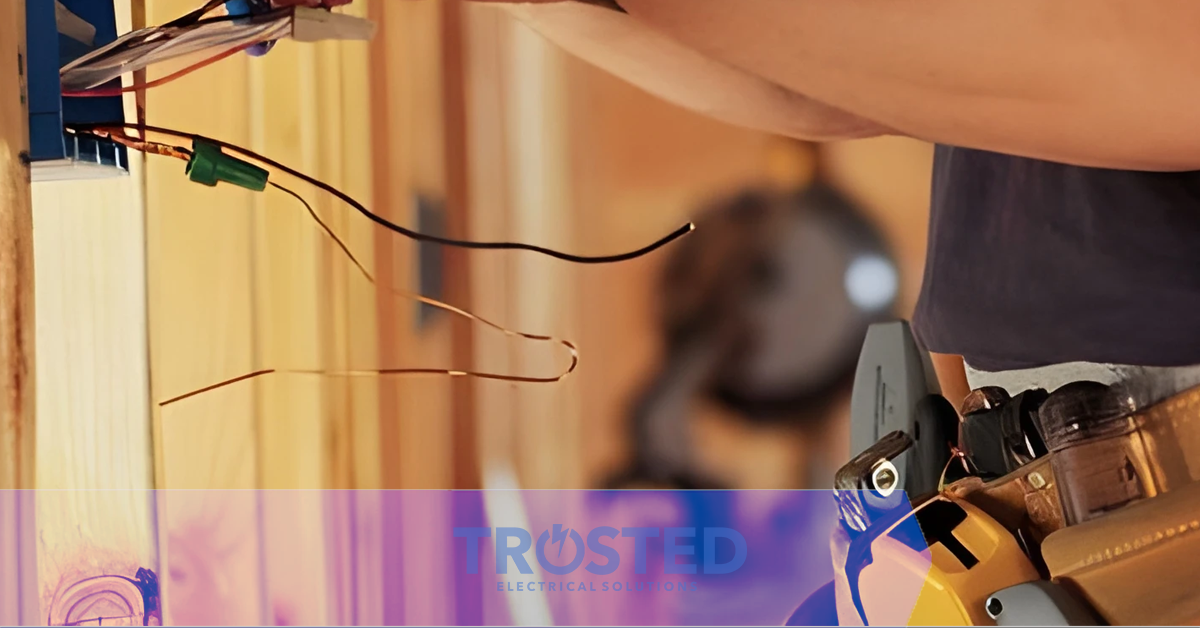
What Causes Electrical Buzzing Noises?
05 Feb, 2025
510
Info
A buzzing sound from your electrical system is a message. The only question is whether it's saying "all normal" or "call someone today." Here's how to sort what you're hearing.
PROBABLY HARMLESS — but worth a check
Dimmer switches and LED bulbs. The classic buzz-makers. Incompatible dimmers and cheap bulbs cause tiny electrical vibrations. The fix: use dimmers rated for LEDs and quality dimmable bulbs — professionally installed for best results.
Fluorescent fixtures. The ballast inside hums, and old or failing ones hum louder. The fix: swap to an electronic ballast — or better, upgrade the fixture to LED and retire the buzz entirely.
Appliances. Plenty of them hum quietly just by operating. That's normal — until it isn't. If an appliance suddenly gets loud, unplug it, inspect it for damage, and have it repaired or replaced.
Outdoor transformers and power lines. A faint hum is just electromagnetic physics doing its thing. If it gets unusually loud near your home, though, that's the power company's department — give them a call.
CALL AN ELECTRICIAN NOW
Buzzing from outlets, switches, or the breaker panel — especially with warmth, a burning smell, or scorch marks. Loose wiring and arcing start fires. This is not a wait-and-see situation: turn off the power and inspect, and call a licensed electrician if you suspect loose connections in the panel.
An overloaded circuit. Too many devices pulling too much current overheats wiring — unplug things and spread the load across circuits. If overloading keeps happening, your electrical panel may need an upgrade.
A faulty breaker. Breakers that buzz are struggling to do their job. Test by flipping it off and on; if the buzz persists, replace it.
Any sudden change. Buzzing that appears out of nowhere, gets louder fast, or shows up alongside flickering lights or breakers that trip repeatedly — that's the system escalating, and it needs a professional now.
If your buzzing landed in the second list, don't sit on it. Trusted Electrical Solutions diagnoses and fixes electrical issues across Miami and surrounding areas — call 786-342-9582 or visit trustedelectricalsolutions.com for an inspection today.
Jose Luis Rey
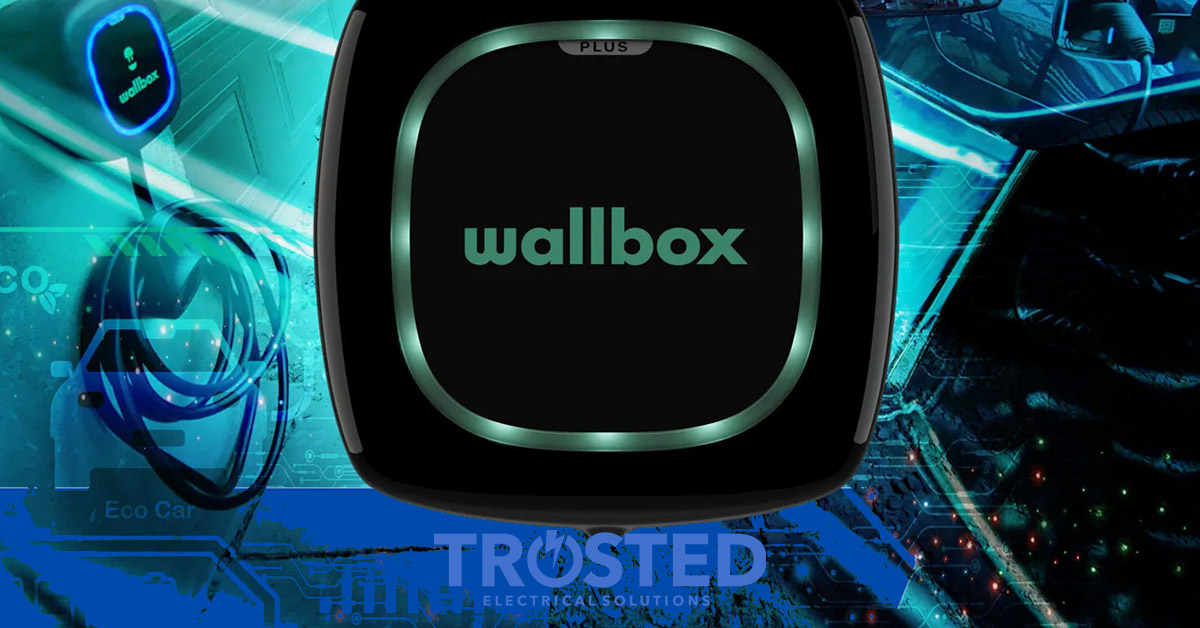
The Ultimate Guide to EV Charger Installations for Your Home or Business
30 Jan, 2025
384
Info
The right EV charger depends entirely on your life. Find the profile that sounds like you:
The homeowner
You want to wake up to a full battery. A Level 2 charger (240V) on the garage wall is the classic move — 10 to 60 miles of range per hour, overnight, at off-peak rates that usually beat public charging prices. Bonus: buyers with EVs notice a home that's already set up, so it doesn't hurt property value either.
The business owner
Your charger is an amenity. Drivers choose where to shop, eat, and work partly by where they can charge — a station in your lot keeps them on your property longer. It also backs up your sustainability story, and tax incentives and rebates can take a real bite out of the install cost.
The landlord
Tenants with EVs are starting to ask about charging the way they used to ask about in-unit laundry. A shared Level 2 setup in the parking area answers the question once, for every unit — and it's a genuine differentiator in a rental listing.
The hardware, in 30 seconds
Level 1 runs on a standard 120V outlet — slow, fine for overnight top-ups. Level 2 needs a 240V circuit — the workhorse for homes and businesses. DC fast charging is the commercial-grade sprinter — 60 to 200 miles of range in 20–30 minutes, built for public and fleet use, not driveways.
The install path, condensed to three steps
Assess — an electrician checks whether your electrical panel and service can carry the added load. (This is the gating factor for everything else.)
Choose & permit — pick the charger level for your situation; your electrician navigates any required permits plus available rebates and incentives.
Install & activate — a licensed electrician wires it to code and compliance, then tests the system before handoff.
Placement matters (convenient, accessible), and smart chargers with remote monitoring and scheduling are worth considering if you like control.
Want to see what the job actually looks like before you commit? Watch one of our real EV charger installs — https://www.youtube.com/shorts/pFb1BXGklAo — then call Trusted Electrical Solutions at 786-342-9582 or visit www.trustedelectricalsolutions.com and we'll spec the right setup for your home or business in Miami.
Jose Luis Rey
Tag Group
Recent Posts


About Author

Our Trusted Electrical Solutions takes great pride in delivering the best electrical services to our customers. We strive to ensure that each customer is satisfied with their experience.
If you are looking for an electrician, we encourage you to give us a call.
We look forward to helping you with all your electrical needs.

Quick Links
Business Hours
Mon - Sunday
24 Hours
Copyright © Trusted Electrical Solutions · Admin Login
Request a service