
Blog
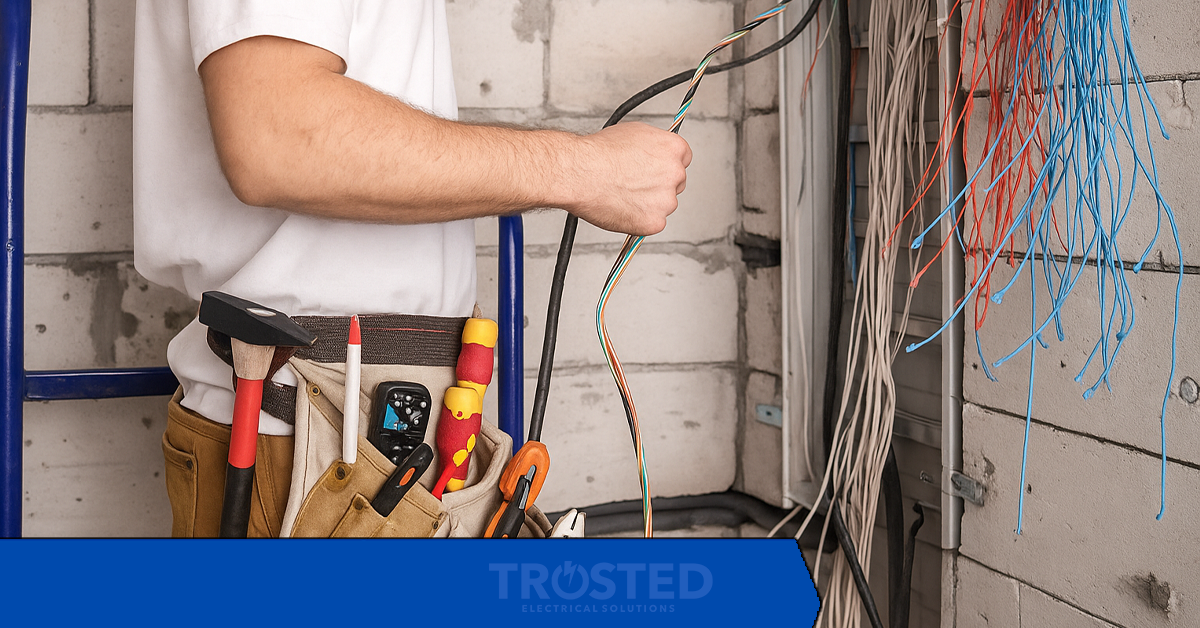
Smart Home Wiring: Why Permits are Crucial in Miami
21 Sep, 2026
155
Info
Yes — get a permit for smart-home wiring. In Miami-Dade County, a permit means a licensed electrician does the work and a city inspector signs off on it, which protects the house, the equipment warranties, and the resale value later. Skipping it saves a few days up front and risks a failed inspection, a denied insurance claim, or a home sale that stalls when unpermitted work shows up.
Start at the end: the inspector's sign-off
Picture the last step first. When permitted work is finished, an inspector checks that the wiring matches the approved plan: the panel has capacity for the new load, the wiring method and boxes are right for the job, GFCI and AFCI protection is where the code requires it, and the devices are rated for the conditions they will live in. That sign-off is the whole point of the permit. It is a second set of trained eyes confirming the work is safe before the walls close up and the devices go live.
What the permit protects
Code compliance. Each city enforces its own version of the electrical code, built on the Florida Building Code with Miami-Dade County amendments. A permit is how the work gets checked against those rules while it is still visible. Without it, a problem can sit hidden behind drywall until an inspection, an insurance claim, or a buyer's walkthrough finds it.
Safety. Smart-home work is more than plugging in a hub. It means new circuits, new devices on existing circuits, and low-voltage wiring running next to line-voltage wiring. A licensed electrician knows where those lines cross and where they must stay apart. Unpermitted work done by someone unlicensed is how faulty wiring — and the fire risk that comes with it — gets into a house.
Resale and insurance. Permitted work is on the record. When the house is sold or a claim is filed, the paper trail shows the work was done properly. Unpermitted work can delay a closing or give an insurer a reason to push back.
Miami adds two wrinkles of its own
The first is the climate. Humidity and salt air corrode electrical connections faster here than they do inland, so smart-home devices and their wiring need to be rated for the conditions they will face. The second is the age of the housing stock. Many Miami homes still run on wiring that predates today's smart devices, and an older system may not have the capacity — or the grounded, GFCI-protected outlets — that new equipment expects. A permitted job starts with an evaluation of what is already in the walls, not just an installation on top of it.
Three warning signs your wiring needs attention first
Breakers that trip often. A breaker that trips again and again usually means a circuit is overloaded or damaged. Adding smart devices to a circuit that is already struggling makes it worse.
Lights that flicker or dim. Flickering can mean a poor connection or wiring that cannot carry the load. Both need attention before new devices go in.
Outdated outlets. Two-prong outlets, or outlets in kitchens and bathrooms with no GFCI protection, are a sign the system predates modern safety requirements. A smart-home upgrade is the right moment to fix that.
Practical tips before you start
Choose devices that fit the house, not just the app. Check that each device is compatible with the home's wiring and rated for warm, humid conditions.
Plan the layout first. Decide how the devices should work together — lighting, climate, security — before anything is installed. A plan made on paper is cheaper than one remade in the walls.
Hire a licensed electrician. Permits, code compliance, and safety are not the parts of the job to improvise. A licensed professional handles the permit, the installation, and the inspection.
Quick FAQ
Do I really need a permit for smart-home wiring?
If the work adds or changes circuits, wiring, or the panel, yes. Swapping a plug-in device needs no permit; running new wiring does. When in doubt, ask the electrician before the work starts.
What happens if smart-home work was done without a permit?
It can be permitted after the fact, but that usually means opening walls so the inspector can see the wiring, and fixing anything that does not meet code. It costs more than permitting it the first time.
Does a permit slow the job down?
It adds a few steps — application, rough inspection, final inspection — but those steps are also what catch mistakes early, while they are still cheap to fix.
Smart-home wiring with a permit is not a formality. It is the step that makes the rest of the upgrade safe, legal, and worth the money. If you are planning a smart-home project, call Trusted Electrical Solutions at 786-342-9582 or visit www.trustedelectricalsolutions.com to schedule your free inspection and quote today.
---
 Jose Luis Rey

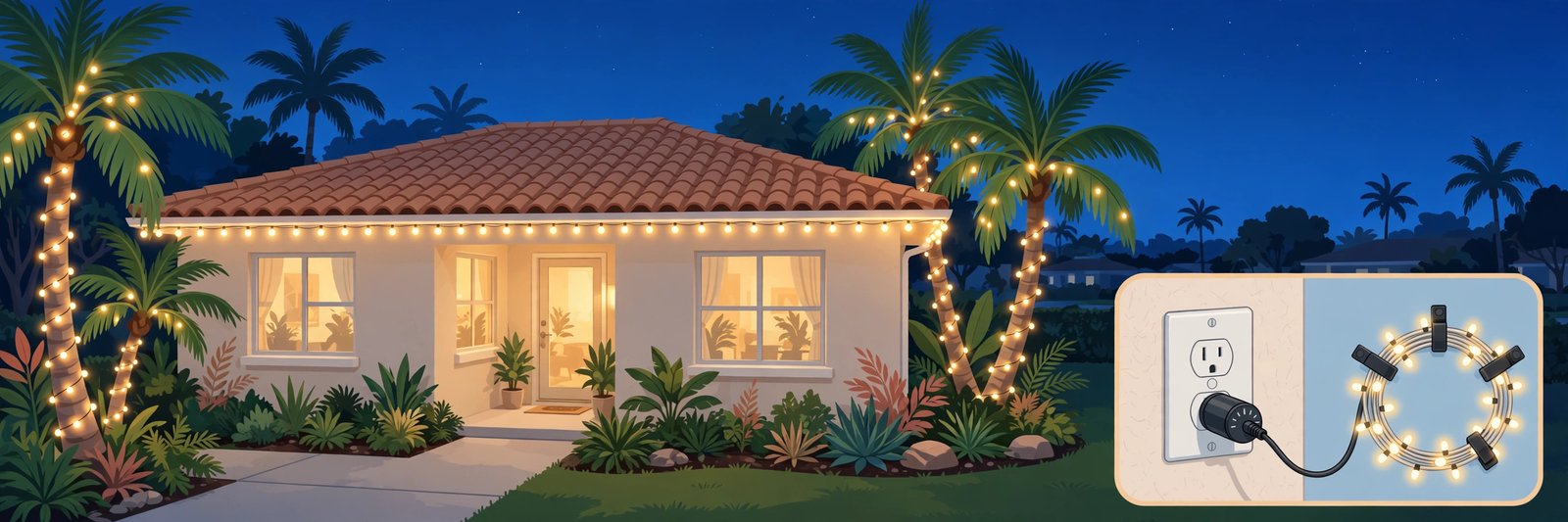
Light Fixtures vs LED Lighting: Which is Right for Your Miami Home?
18 Sep, 2026
134
Info
Choosing between traditional light fixtures and LED lighting is really a question of what is inside the fixture. Traditional fixtures take old-style bulbs; LED fixtures and LED bulbs use a fraction of the energy and last far longer. For most Miami homes the LED side wins on cost, on durability in the local climate, and on looks — but the face-off below shows where each option still has a case.
Round one: energy and the bill
Lighting is roughly 15 percent of a home's electricity use, so the choice shows up on every bill. LEDs use at least 75 percent less energy than incandescent bulbs for the same brightness. Over a year in a house where the lights run long evenings, that is real money back — and the savings start the month the bulbs change.
Round two: how long it lasts
A traditional incandescent bulb lasts about 1,000 hours. An LED is rated for 25,000 hours or more, which means years instead of months between replacements. In a hard-to-reach fixture — a high ceiling, a stairwell, an outdoor floodlight — that difference is not just money, it is a ladder you do not have to climb.
Round three: the Miami climate
Humidity and salt air are hard on fixtures. Traditional fixtures and bulbs corrode faster outdoors, and their hardware shows rust sooner. LEDs and modern LED fixtures are built with sealed, corrosion-resistant housings that hold up better on a patio, a porch, or a coastal property. For outdoor lighting, this round is not close.
Round four: looks and feel
This is the round traditional fixtures still win on nostalgia — a vintage bulb has a look people love. But LED lighting now comes in every style, from sleek modern designs to fixtures that echo a classic look, and in color temperatures from warm 2700K for a cozy room to bright daylight for a kitchen. A dimmer switch with LED-compatible dimmers gives the same soft evening light the old bulbs did, with a fraction of the energy.
Round five: the planet and the wallet
LEDs contain no mercury, use far less energy, and last so long that far fewer bulbs become waste. They can be recycled through e-waste programs when they finally reach the end of their life. The upfront cost of a quality LED is higher than a cheap bulb, but the bulb pays for itself in energy savings and in replacements that never happen.
The verdict
For most homes, LED lighting is the right choice — lower bills, longer life, better performance in the local climate, and a style for every room. Keep a traditional fixture only where its look is the whole point of the room and the bulb is easy to change. When the wiring itself is involved — new fixtures, new circuits, or a dimmer that buzzes — the work must comply with local electrical codes, and a licensed electrician can make sure the choices in the showroom become a safe installation in the house. Watch for flickering lights, buzzing, or a bill that climbs without explanation: those are signs of an electrical issue, not a lighting preference.
Quick FAQ
Can I put LED bulbs in my existing fixtures?
In most cases, yes — if the fixture takes a standard screw base and the bulb fits. Enclosed fixtures need LEDs rated for enclosed use, or the bulb will run hot and die early.
Do LEDs work with dimmer switches?
They do with LED-compatible dimmers. An older dimmer can make LEDs flicker or buzz; swapping the dimmer fixes it.
Are LED lights worth the higher price?
Yes. The energy savings and the years between replacements repay the higher price many times over, usually within the first year for the most-used lights.
Call Trusted Electrical Solutions at 786-342-9582 or visit www.trustedelectricalsolutions.com to schedule a free inspection and quote.
Jose Luis Rey

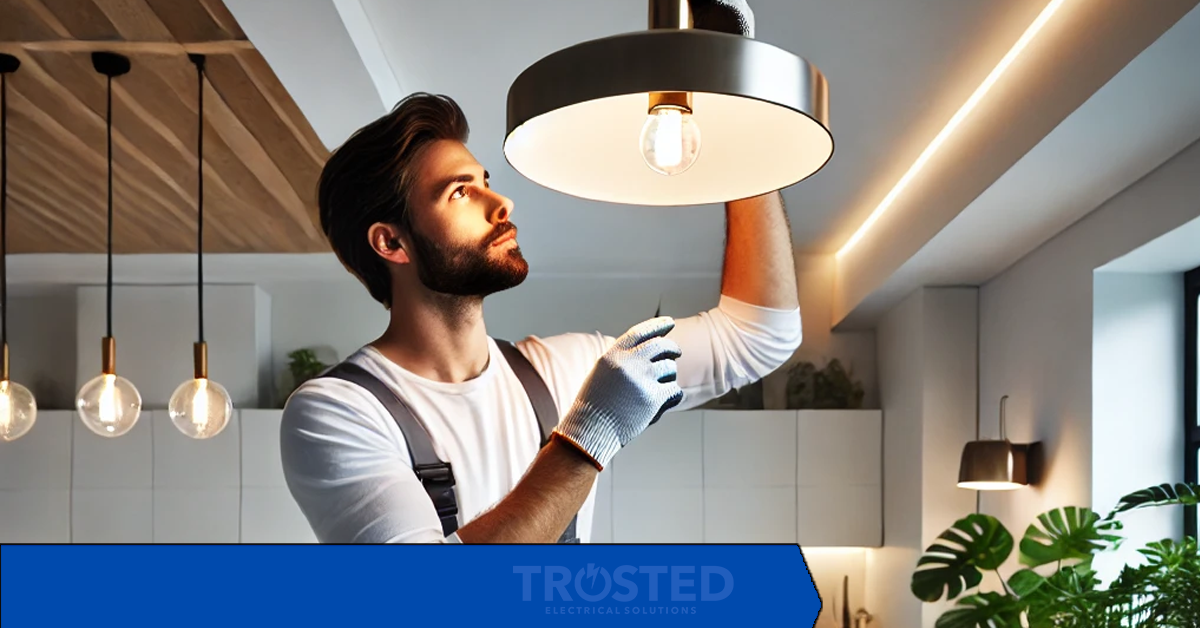
Circuit Breakers vs Surge Protection: Safeguard Your Miami Home
17 Sep, 2026
160
Info
Circuit breakers and surge protectors are not competitors — they are two defenders that stop different threats. The breaker stops overloads and short circuits that can start fires. The surge protector stops voltage spikes that destroy electronics. A Miami home needs both, because summer thunderstorms bring both kinds of danger in the same afternoon. Think of the breaker as the goalie and the surge protector as the net behind it.
The goalie: what the circuit breaker does
A breaker watches the current on its circuit and trips the moment that current climbs past a safe level — an overloaded circuit, a short, or a fault in a device. It is the home's first line of defense against fire, and it works in milliseconds. The signs of a breaker in trouble are easy to spot: it trips often, it feels hot to the touch, there is a burnt smell near the panel, or the lights flicker and dim when a circuit is loaded. Any of those means the breaker needs an inspection, not another reset.
The net: what surge protection does
A surge protection device watches the voltage instead of the current, and it absorbs the spike — from a lightning strike nearby, a utility grid fluctuation, or heavy equipment cycling — before it reaches the television, the computer, or the refrigerator's control board. In Miami, where sudden summer thunderstorms are routine, a surge can arrive with no warning at all. A whole-home protector installed at the panel guards every circuit; point-of-use protectors add a second layer for the most valuable devices.
Why the house needs both
A breaker cannot stop a surge: the spike passes too fast and the current never climbs high enough to trip it. A surge protector cannot stop an overload: it is not built to cut power to a circuit that is drawing too much for too long. Together they cover the two ways electricity damages a home. A house with only a breaker loses its electronics to the first big storm. A house with only surge protection still risks a fire from an overloaded circuit.
The climate makes the pair more important
Humidity and salt air corrode connections, and corroded connections run hotter and fail sooner. The aging infrastructure in older parts of the city means the power supply itself is less steady than it is in a new development. Annual inspections keep both defenders in shape: the breakers are tested, the surge protector's indicator is checked, and the panel is examined for corrosion before it becomes a fault.
What to do next
Have an electrician check the panel and the surge protection together, in one visit. If the home is older, consider upgrading to modern breakers and a whole-home surge protection system that meets Miami-Dade County building codes — the installation must comply, and the paperwork matters for insurance and for a future home inspection. The utility's role is service rules and grid reliability, not the protection inside the house; that part is the homeowner's, and it is the electrician's to install.
Quick FAQ
Do I need surge protection if I already have circuit breakers?
Yes. Breakers and surge protectors do different jobs, and neither one replaces the other. A home with both is protected against overloads and against voltage spikes.
How do I know my surge protector is still working?
Most have an indicator light. If the light is out, or if the protector has taken a major surge, it needs to be replaced — a surge protector wears out absorbing surges.
Can surge protection be added to an old panel?
Usually yes, but the panel itself has to be sound. If the panel is outdated or damaged, the panel upgrade comes first and the surge protection goes in with it.
Call Trusted Electrical Solutions at 786-342-9582 or visit www.trustedelectricalsolutions.com to schedule a free inspection and quote.
---
Jose Luis Rey

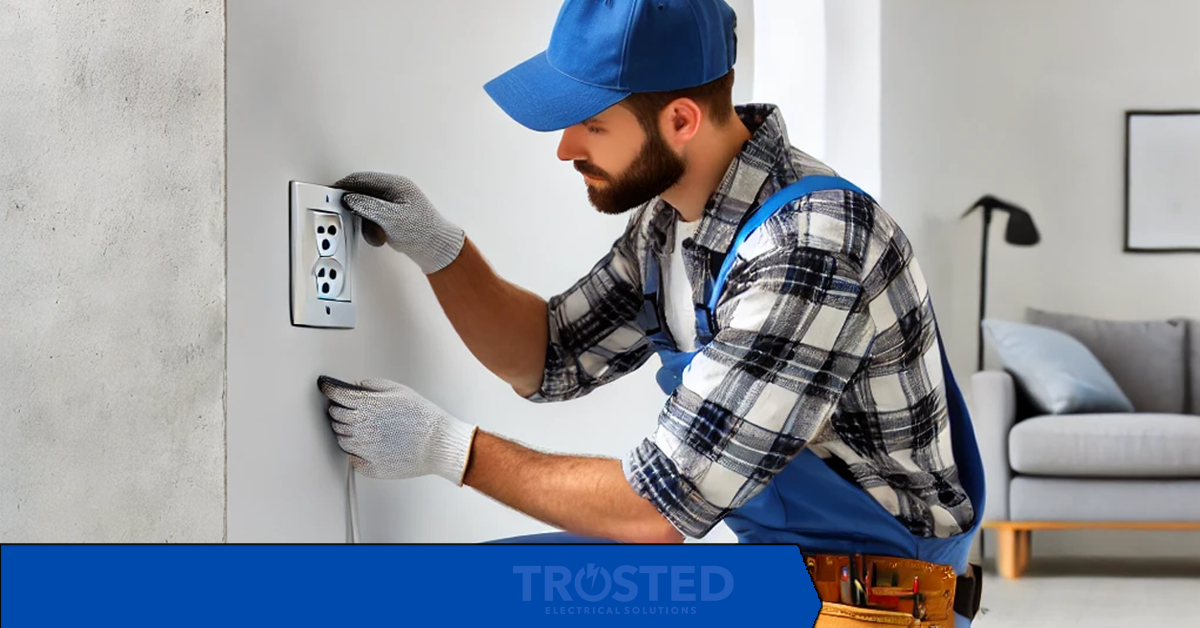
Why Extension Cords Are Essential for Miami Home Safety
16 Sep, 2026
136
Info
Extension cords are useful precisely because they are temporary: they get power where it is needed for a day, a party, or a project, without overloading the outlets the house already has. Used correctly, they are a safe tool. Used as a permanent part of the house, they become a hazard. The rules below keep them on the safe side of that line, which matters more in Miami, where humidity and outdoor living put cords in wet places other homes never do.
Rule one: match the cord to the job
Choose a cord long enough to reach without stretching, but not so long that it coils into a trip hazard. Check the rating: the cord must handle the wattage of everything plugged into it, and a three-prong grounded cord is the minimum for anything with a metal case. Outdoor use needs a cord labeled for outdoor use — those are built to resist moisture and salt exposure that would break down an indoor cord.
Rule two: never overload, never daisy-chain
One high-wattage device per cord is the safe limit. Plugging a heater, an air conditioner, or a power tool into a cord that is already carrying something else is how cords overheat. Never plug one extension cord into another, and never run a cord under a rug or through a doorway where it gets pinched and heated without anyone seeing it.
Rule three: keep cords dry and visible
Cords belong where they can be seen and checked. Keep them off wet ground, out of puddles, and away from standing water — elevated on a patio, not lying in the grass after a storm. In a humid climate, a cord that stays damp corrodes at the plug, and corrosion is the start of a bad connection.
Rule four: watch for the warning signs
Flickering lights when a cord is plugged in mean the circuit is overloaded. A burning smell, a warm plug, or discoloration on the cord means it is already overheating — unplug it and stop using it. A cord with cracked insulation, exposed wire, or a loose plug belongs in the trash, not in a drawer for next time.
When the temporary fix becomes the problem
If the household reaches for extension cords every day, the house does not have enough outlets where they are needed. That is the signal to add circuits and outlets properly, under permit, to the Florida Building Code and Miami-Dade County amendments. Older homes are the usual case: they were built when a room had one outlet, and a modern household needs several. An electrician can add the outlets the house is missing, and then the cords go back to the job they were made for.
Quick FAQ
Can I use an indoor extension cord outside for one afternoon?
It is safer not to. Indoor cords are not built for moisture, and one afternoon in a damp yard is enough to damage one. Use an outdoor-rated cord for anything outside.
Is it safe to run an extension cord under a rug?
No. A cord under a rug traps heat, gets walked on and damaged, and hides the warning signs until it is too late.
How do I know if I need more outlets instead of more cords?
If a cord is in use in the same place every day, or if the same outlet is always full, the house needs more outlets. That is a permanent fix for a permanent need.
Call Trusted Electrical Solutions at 786-342-9582 or visit www.trustedelectricalsolutions.com to schedule a free inspection and quote.
---
Jose Luis Rey

Unlocking Energy Efficiency: Home Automation in Miami
15 Sep, 2026
141
Info
Home automation saves energy by paying attention: the thermostat learns when the house is empty, the lights switch off when nobody is in the room, and an energy monitor shows exactly which appliance is costing the most. In a Miami home, where air conditioning is the biggest line on the bill and humidity never really leaves, that attention pays for itself. The trick is to start with the systems that save the most and add the rest later.
The thermostat notices the schedule
A smart thermostat learns when the house is occupied and when it is empty, then cools accordingly instead of running all day. Coming home to a cool house no longer means cooling an empty one from noon — the thermostat starts the air conditioner before arrival and eases off while everyone is out. That single change is usually the biggest energy saving in the house, because cooling is the biggest load.
The lights notice the room
Smart lighting paired with LEDs turns lights off when a room empties and dims them when daylight is doing the work. A light left on in an empty room is the most common waste in any home, and automation removes the human error. It also lets the household set scenes — bright for cooking, soft for the evening — without touching a switch.
The appliances notice the clock
Smart appliances can run when energy is cheapest, where time-of-use plans are available — the dishwasher and the laundry after the evening peak, the water heater on a schedule rather than all day. An energy monitoring system shows the household's real-time use, so a spike gets noticed the day it happens instead of on the next bill.
The house notices the humidity
Miami's humidity is an energy problem as well as a comfort problem: a home that is cool but damp still feels uncomfortable, and damp air invites mold. Automation can run the air conditioner and dehumidification together on a schedule that holds humidity down without overcooling the house. Outdoor devices need hardware rated for the climate, because salt air corrodes ordinary electronics faster here than it would inland.
Before the first device goes in
Check the wiring first. Homes built before the 1980s may have wiring that struggles to support new technology, and frequent breaker trips or flickering lights mean the electrical system needs attention before automation is added. Smart switches and hardwired devices are permitted work under the Florida Building Code with Miami-Dade County amendments, and the utility's role is service rules and interconnection. Check current utility and city programs too — efficiency incentives change, and a smart-home setup may qualify.
Quick FAQ
What is the best first step into home automation?
A smart thermostat. It is easy to install, it targets the biggest energy load in the house, and the savings show up on the first full bill.
Do I need to automate everything at once?
No. Start with the thermostat, then add smart lighting in the most-used rooms. A system that grows one device at a time is easier to live with and easier to afford.
Will automation work in an older home?
Usually yes, but the wiring has to be checked first. Some smart switches need a neutral wire that older switch boxes may not have, and an electrician can tell you in one visit what your home supports.
Call Trusted Electrical Solutions at 786-342-9582 or visit www.trustedelectricalsolutions.com to schedule a free inspection and quote.
---
Jose Luis Rey
Tag Group
Recent Posts

About Author

Our Trusted Electrical Solutions takes great pride in delivering the best electrical services to our customers. We strive to ensure that each customer is satisfied with their experience.
If you are looking for an electrician, we encourage you to give us a call.
We look forward to helping you with all your electrical needs.

Quick Links
Business Hours
Mon - Sunday
24 Hours
Copyright © Trusted Electrical Solutions · Admin Login
Request a service