
Blog

Choosing Between EV Chargers and Electrical Inspections in Miami
06 Jan, 2026
475
Info
It's an exciting moment: you've decided to go electric, and that sleek wall-mounted charger is calling your name. But before the charger comes the question most homeowners skip — and skipping it is the classic cart-before-the-horse mistake. An EV charger adds serious electrical load to your home. If your system can't carry it safely, the exciting purchase becomes an expensive problem. Here's the right order of operations.
Step 1: The inspection (the horse)
Think of an electrical inspection as a check-up for your home's wiring. A qualified electrician assesses wiring condition, circuit breakers, and code compliance — and in Miami, that assessment has to account for year-round humidity and salt air, which corrode components and quietly degrade older systems. Homes built before the 2000s are the most likely candidates for capacity problems: they were wired for a different era's loads, and an EV charger is a very modern load.
Signs your system is waving a red flag right now: circuit breakers that trip frequently (an overloaded system). Lights that dim or flicker (wiring issues). Outlets that feel warm or buzz (deteriorating connections). Any of these means the charger waits until the system is fixed.
Step 2: The charger (the cart)
Once your system is deemed safe and capable, the charger is the logical next step — and a genuinely good investment. Charge overnight and wake up to a full battery. Save money by charging during off-peak hours. And add to your property value: as EVs keep spreading, buyers increasingly expect a home to be charger-ready.
Why the order matters
Installing a charger on an uninspected system is like planting a seed in unforgiving soil — the investment can't thrive in the wrong conditions. An inspection first means you know exactly what you're working with; the charger second means every dollar goes into a system built to carry it. They're not competing services. They're sequential ones.
The local factor
Miami's environment doesn't pause for your plans: moisture-related decay, corrosion from coastal air, and strict local electrical codes all shape what "ready for a charger" means here. A local licensed electrician knows where older homes typically fall short — and what it takes to bring them up to standard before the charger goes on the wall.
So: charger or inspection? Inspection. Then charger. In that order, you get the electric future and the safe home to charge it in.
Ready to start with step one? Contact Trusted Electrical Solutions at 786-342-9582 or visit www.trustedelectricalsolutions.com to schedule your free inspection and quote today.
---
 Jose Luis Rey

Smart Home Wiring vs Ceiling Fans: Miami's Best Options
05 Jan, 2026
414
Info
Two acts showed up to audition for your home. One is the future — smart home wiring that runs your house from your phone. The other is the timeless classic — the ceiling fan, cooling Miami homes since long before smartphones existed. As director, I don't have to pick just one. But each one has to earn its role. Let's watch the auditions.
Act 1: Smart home wiring — auditioning for "command center"
More and more homeowners are choosing smart technology that automates lights, security, climate, and more. The pitch:
Convenience: control your home's electrical systems remotely, from anywhere.
Energy efficiency: energy-monitoring features cut waste and lower bills.
Safety and security: automated lighting, smart locks, and alarms watch the house while you're out.
Compatibility: works with new construction or existing setups — and coordinates beautifully with ceiling fans for optimized comfort.
In a city where humidity and salt air already tax every electrical component, a system that monitors itself and flags problems early earns its keep.
Act 2: Ceiling fans — auditioning for "cooling support"
Never underestimate the classic. Ceiling fans remain a staple for good reason:
Cost-effective: far more affordable than a full smart-home installation.
Energy savings: circulating air reduces how hard the AC works — real money off the electric bill.
Style: available in designs and finishes for any room, form and function in one.
One casting note for Miami: any fan installed outdoors or in damp locations must be rated for wet environments, and every fan needs to withstand our humidity without degrading.
Warning signs to watch out for
Fans that wobble or make noise — improper installation or worn components. Switches that overheat — stop using them and call a licensed electrician. In a city with aging infrastructure in some areas, unusual electrical behavior always deserves a professional look.
The director's decision: cast both
Here's the twist the audition was building toward: smart technology and ceiling fans aren't rivals. A smart ceiling fan — speed and scheduling controlled from your phone, adjusting to the room's temperature — is the best of both worlds. Imagine the fans already spinning before you walk in the door on a brutal August afternoon.
Notes for the production
Think energy efficiency first: verify the ratings on both systems, since high-efficiency models pay for themselves quickly — especially with FPL programs that reward energy savings. Consult local experts: every installation must meet Miami's building codes, and a licensed electrician keeps it compliant. Weatherproof your equipment: humidity and salt air shorten the life of anything not built for them.
The final casting depends on your needs, your budget, and how you live — but the smart money is on the duo, not the solo act.
Want help casting the right setup for your home? Contact Trusted Electrical Solutions at 786-342-9582 or visit www.trustedelectricalsolutions.com to schedule your free inspection and quote today.
---
Jose Luis Rey

Electrical Panels vs Thermostats: Which is Best for Miami Homes?
02 Jan, 2026
465
Info
Let's be honest about the premise of this article: asking whether your electrical panel or your thermostat is "more important" is like asking whether your heart or your lungs matter more. They're not opponents — they're different positions on the same team. As your referee, I'll score each contender on its own merits, then give you the honest ruling: it's not a choice, it's a sequence.
Contender 1: The electrical panel
The panel — your circuit breaker box — is the heart of the home's electrical system. It distributes electricity to every circuit and protects each one from overload. When it fails, nothing else in this article matters.
Signs it needs attention: breakers that trip frequently. Lights that flicker. Burnt smells near the panel. Rust or corrosion — a real concern in Miami's humid air, which attacks metal components year-round. Older homes are the usual suspects: panels installed decades ago weren't designed for today's appliance loads, and some still carry wiring from eras the code has long left behind.
What a panel upgrade buys you: safety first — modern panels prevent the overloads and faults that start fires. It also raises your home's value: buyers notice when the electrical system won't need immediate work.
Contender 2: The thermostat
The thermostat is your comfort command center. In a city where air conditioning isn't optional, a good thermostat — especially a modern smart model you control from your phone — is the difference between coming home to relief and coming home to a sauna.
Signs it needs attention: the system ignores your temperature changes. The HVAC runs constantly without reaching the setpoint. Different rooms sit at wildly different temperatures.
What a thermostat upgrade buys you: energy efficiency — ENERGY STAR certified smart thermostats trim real money off the electric bill, which matters when the AC runs most of the year. Plus remote control: adjust the temperature from anywhere, and walk into a cool house after a hot day.
The climate factor both contenders share
Miami's tropical conditions punish both: humidity corrodes panel connections, while relentless heat forces thermostats and HVAC systems to work overtime. Local codes and FPL's service standards both shape what's allowed — another reason a local licensed electrician should be in the loop.
The referee's ruling
There is no winner, because there was never a real fight. If safety and infrastructure are the concern — tripping breakers, burning smells, an aging panel — the panel comes first, full stop. If the system is sound and you're chasing comfort and lower bills, the smart thermostat is the smart money. Do them in that order, and your home gets both protection and comfort.
Not sure which your home needs first? Contact Trusted Electrical Solutions at 786-342-9582 or visit www.trustedelectricalsolutions.com to schedule your free inspection and quote today.
---
Jose Luis Rey

EV Charger FAQs: Trusted Solutions for Miami Homeowners
01 Jan, 2026
445
Info
Electric vehicles are multiplying on Miami roads, and with them comes a wave of questions about home charging. Let's take the lap — every question below is a pit stop, and each one gets you closer to a confident decision.
Pit stop 1: Why install a home charger at all?
Beyond the environmental win of a smaller carbon footprint, a home charger simplifies daily life: charge overnight and start every morning full, with no detour to a public station. With Florida Power & Light's rate structures, overnight charging can cut fuel costs significantly — and a home charger can raise your property value with eco-minded buyers.
Pit stop 2: Which charger do I need?
Two decisions matter most. First, the type: Level 1 chargers suit overnight residential charging; Level 2 chargers charge much faster — a better fit for busy schedules. Second, the power output: it must match your EV model's requirements in kilowatts. A licensed electrician can size it correctly, and Miami's electrical codes have specific requirements for EV charger installations — local expertise keeps the job compliant.
Pit stop 3: What makes Miami installations tricky?
Our climate adds three complications. Humidity and salt air corrode equipment — choose high-quality, weatherproof chargers built for coastal conditions. Aging infrastructure in older homes may need a panel upgrade before it can support a charger. And the permit process takes navigation — a professional handles the paperwork so you don't have to.
Pit stop 4: Can I charge during a storm?
Light rain is generally fine, but never charge during heavy storms or flooding. Make sure your electrical system has proper surge protection, and talk to an electrician about backup solutions before hurricane season — not during it.
Pit stop 5: Where should the charger go?
Close to where you park, first and foremost. Decide between indoor and outdoor installation — outdoor units must be weatherproofed and positioned for safety. Keep it reasonably visible too: guests and family members with EVs will thank you.
Pit stop 6: What will it cost?
Most installations run $600 to $2,000, depending on three factors: how much electrical work your home needs (panel upgrades and rewiring raise the price), the charger type (Level 2 costs more than Level 1), and labor. At Trusted Electrical Solutions, we keep rates competitive without cutting corners on quality.
At Trusted Electrical Solutions, our mission is to get Miami homeowners charging with confidence: licensed electricians, code-compliant installations, and maintenance support after the install so your charger keeps running at its best.
Ready to join the electric future? Contact Trusted Electrical Solutions at 786-342-9582 or visit www.trustedelectricalsolutions.com to schedule your free inspection and quote today.
---
Jose Luis Rey
Essential Tips for Upgrading GFCI Outlets in Miami
31 Dec, 2025
431
Info
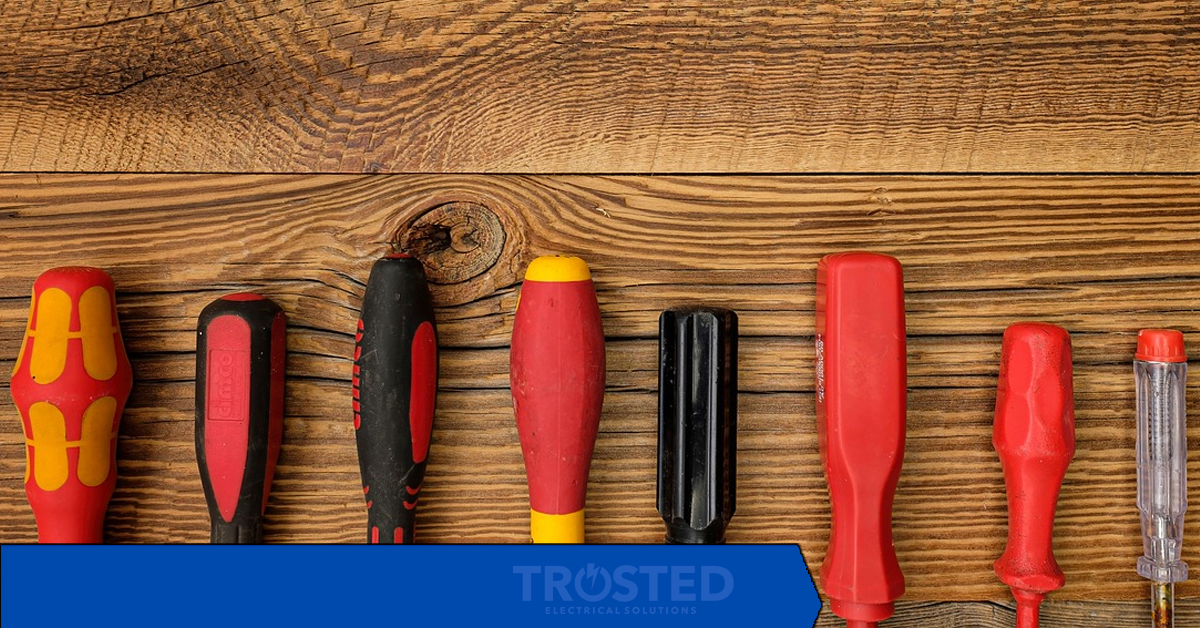
Upgrading your Ground Fault Circuit Interrupter (GFCI) outlets is one of the best safety investments a homeowner can make — they shut off power the instant they detect a current imbalance, protecting you from shocks in moisture-prone areas like bathrooms, kitchens, and outdoor spaces. But before you hire anyone, let's do what any good hiring manager does: review the résumés. Your outlets applied for the job of protecting your family. Do they still qualify?
Applicant screening: signs it's time for an upgrade
Frequent tripping: a GFCI that trips constantly may be signaling a deeper wiring issue.
Outdated outlets: if your home is more than a decade old, newer GFCIs bring meaningful safety improvements.
Visible damage: cracks, discoloration, or wear mean the application is expired.
Moisture: any moisture in or around an outlet needs immediate attention — upgrade to GFCI protection right away.
These issues hit hardest in older homes, where electrical systems may not meet current standards — and in Miami's humidity, corrosion gives every outlet a shorter career than inland.
Required qualifications: choosing the right GFCI
Correct voltage: most residential outlets are 120V, with 240V for larger appliances — match the circuit.
Weather-resistant models for any outdoor location, built to survive humidity and salt air.
Test and reset buttons on every unit — no exceptions.
Trip indicators: LED status lights are a smart pick, especially if you're away from home often.
Miami's environment shortens the résumé of every electrical component: humidity corrodes connections in older homes, and salt air near the coast deteriorates equipment faster. Weather-resistant GFCIs aren't a luxury here — they're the minimum qualification.
The reference check: professional installation
Tempted to DIY this as a weekend project? Here's why a licensed electrician earns the reference: incorrect installation creates serious hazards; local electrical codes are updated frequently and a pro ensures compliance; and professional installation protects you — and can even support your appliance warranties. Before the work starts, clear the areas around the outlets, know your existing wiring layout, and tell your electrician about any past electrical problems — the full history makes the diagnosis faster.
The probation period: after installation
Test every outlet regularly. Watch for signs of wear or moisture. Report any strange behavior to your electrician promptly. A quick bi-annual check of all outlets keeps small problems from becoming dangerous ones.
At Trusted Electrical Solutions, our licensed and insured electricians understand Miami's specific challenges — from the electrical loads that air conditioning puts on a system through humid summers, to proper grounding techniques for local properties. Safety, quality workmanship, and honest advice: that's the whole résumé.
Think your outlets might not make the cut? Contact Trusted Electrical Solutions at 786-342-9582 or visit www.trustedelectricalsolutions.com to schedule your free inspection and quote today.
---
Jose Luis Rey
Tag Group
Recent Posts

About Author
Our Trusted Electrical Solutions takes great pride in delivering the best electrical services to our customers. We strive to ensure that each customer is satisfied with their experience.
If you are looking for an electrician, we encourage you to give us a call.
We look forward to helping you with all your electrical needs.

Quick Links
Business Hours
Mon - Sunday
24 Hours
Copyright © Trusted Electrical Solutions · Admin Login
Request a service