
Blog
Revamping Your Home? Don't Forget Your Electrical Panels!
30 Dec, 2025
317
Info
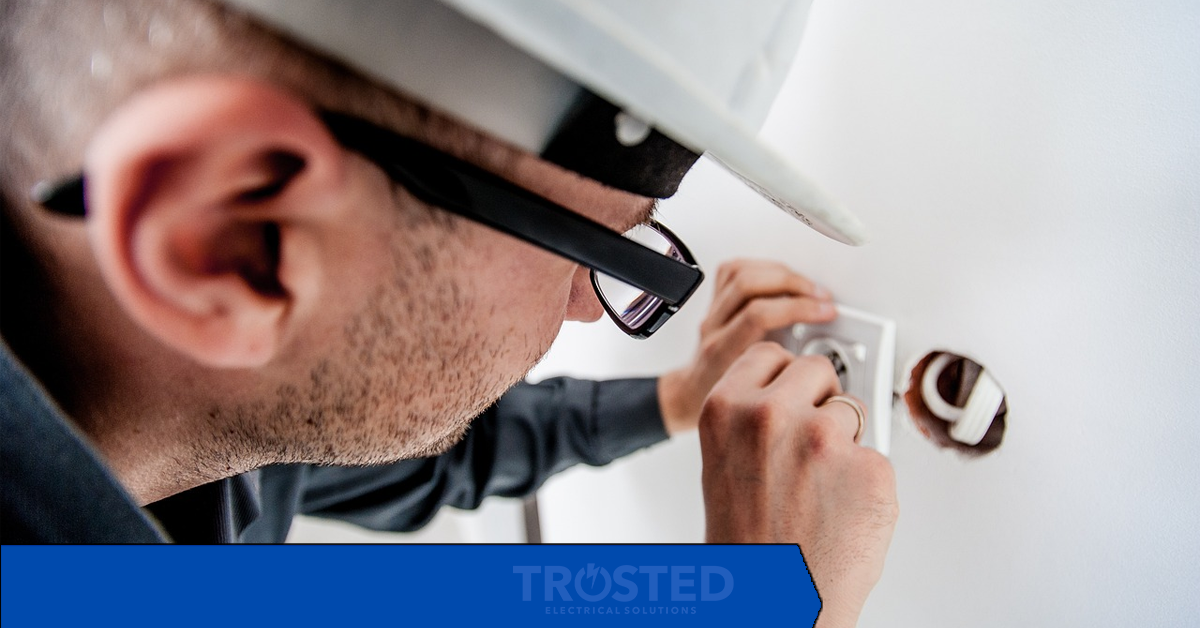
Renovations are exciting — the new kitchen, the extra bathroom, the cozy nook you've been sketching for years. But there's a window of opportunity hiding inside every renovation, and it closes the day the drywall goes up: the one week your walls are open is the cheapest, easiest week to deal with your electrical panel. Here is the diary of that week, and why it matters.
Day 1: Start with an inspection
Before a single fixture is chosen, have a licensed electrician evaluate your current system. A proactive inspection catches what renovations will stress: an aging panel, undersized service, or wiring that predates your new appliances. Finding it now costs a fraction of finding it after the tile is laid.
The panel question: can it carry the new load?
Your panel is the heart of your electrical system — it distributes power and protects every circuit from overload. Warning signs it can't handle your renovation plans: breakers that trip frequently, buzzing sounds from the panel (loose connections or overheating — never ignore these), lights that flicker when appliances switch on, and any heat, scorch marks, or burning smells around the panel. In Miami's humid, salt-air climate, corrosion attacks panels and connections faster than inland, so older systems deserve a hard look.
Sizing for the future, not just the remodel
Renovation is the moment to think beyond today's appliances. Upgrading the panel now can support energy-efficient additions — smart home devices, an EV charger, even solar down the line. These upgrades save money and shrink your carbon footprint, and doing the electrical work while walls are open avoids paying for the same labor twice.
The code check
Miami has specific electrical codes for installations, and depending on the scope, your renovation may need permits from Miami-Dade County. A licensed electrician who works with local codes daily keeps the project compliant — and keeps you out of the fines-and-rework trap.
Common Miami-home issues the diary usually reveals
Aging wiring (homes over 30 years old often can't support today's technology). Improper grounding (a serious safety hazard, especially in humid conditions). Overloaded circuits (more appliances on the same old circuits). Each is fixable — and each is cheapest to fix with the walls open.
Your renovation playbook
Document what you want — new outlets, additional lighting, a smart home system — and discuss it with your electrician before work starts. Schedule the electrical work in sync with the rest of the project so nothing stalls. And stay informed about code requirements; your electrician should walk you through them.
Renovations are your chance to make a home your own — don't leave the electrical system out of the equation. Upgrade the panel, embrace safety and efficiency, and enjoy the result with confidence.
Planning a renovation and want the electrical side handled right? Contact Trusted Electrical Solutions at 786-342-9582 or visit www.trustedelectricalsolutions.com to schedule your free inspection and quote today.
---
 Jose Luis Rey
Home Rewiring vs. Electrical Inspections: Key Insights for Miami
29 Dec, 2025
441
Info
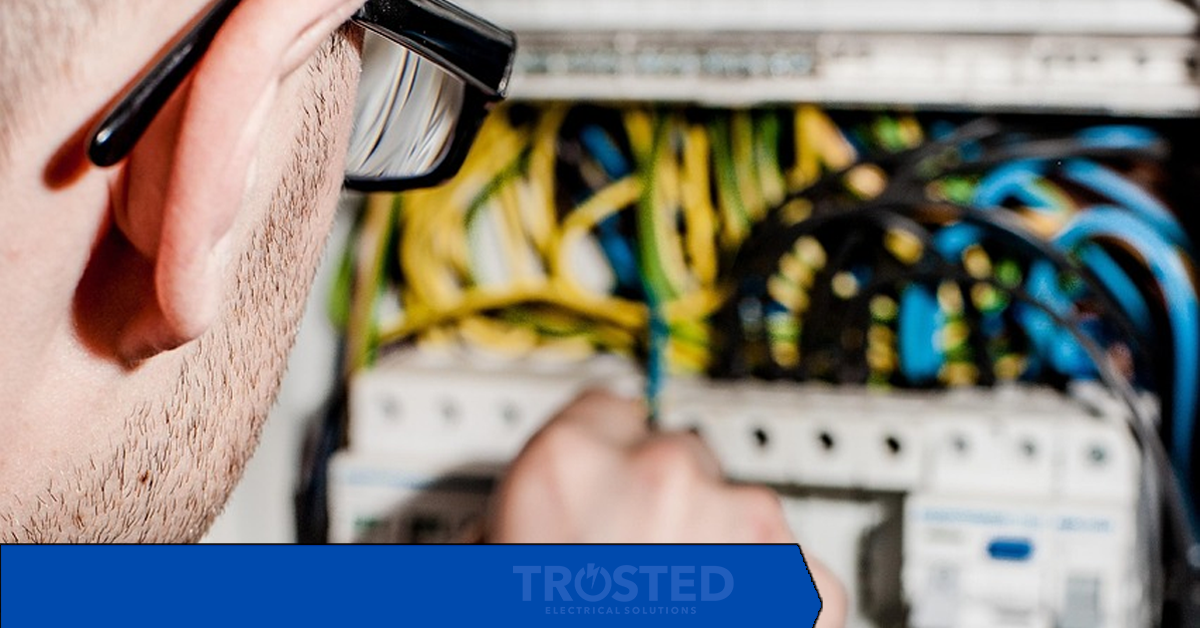
Every good diagnosis starts with evidence. When a homeowner asks "should I rewire, or is an inspection enough?" — the honest answer starts with what an inspection actually finds. Think of it as a forensic audit of your home's electrical system: the electrician opens the evidence bag, and the contents decide the verdict.
The evidence bag: what inspections find in Miami homes
Humidity here isn't a weather report — it's a constant presence, and it corrodes wiring, connections, and panels year-round. A thorough inspection typically turns up three kinds of evidence:
Frayed wires that stay invisible until something goes wrong — often found in attics and behind walls.
Overloaded circuits, especially common in older homes that were wired when households ran a fraction of today's appliances.
Heat damage from loose or corroded connections — the scorch marks that precede electrical fires.
Miami's building codes are stringent for a reason: every one of these findings is a future emergency with a head start. Don't wait for flickering lights or a power outage in the middle of a summer storm — the warning signs are usually simple fixes when caught early.
When the verdict is "rewire"
Some homes have outgrown their wiring entirely. Homes built before the 1980s were designed for a fraction of today's electrical demand, and salt-air corrosion can finish off even durable materials. The telltale signs of a rewiring case: circuit breakers that trip constantly, lights that dim when multiple appliances run, burning smells or scorch marks around outlets, and exposed wiring or panels that no longer meet current codes. Another strong indicator: if you frequently have electricians in and out of your home for repairs, it could be indicative of a larger problem that warrants a rewiring project. Rewiring isn't cosmetic — it's a long-term investment in safety, reliability, and future-proofing your home.
When the verdict is "inspect"
If your home is relatively new, functions well, but shows wear from Miami's environment, a thorough inspection may be all it needs. A knowledgeable technician can assess the property and confirm the system is sound — or catch the small problems before they grow. Either way, you get a professional read on exactly where your system stands.
Why local expertise decides the case
Miami's strict regulations and environmental pressures — humidity, coastal corrosion, aging infrastructure in older neighborhoods — change what "normal wear" looks like. An electrician who works here every day knows the difference between a cosmetic quirk and a code violation, and between a system that needs monitoring and one that needs replacing.
Whether you're considering a rewire or just have questions about your system's condition, start with a professional assessment. At Trusted Electrical Solutions, we pride ourselves on getting Miami homeowners the right answer the first time — so you can enjoy the South Florida lifestyle without worrying about what's behind the walls.
Ready to find out what your system would say under audit? Contact Trusted Electrical Solutions at 786-342-9582 or visit www.trustedelectricalsolutions.com to schedule your free inspection and quote today.
---
Jose Luis Rey

Essential Guide to Miami's Light Fixture Code Requirements
26 Dec, 2025
370
Info
The best way to understand Miami's light-fixture code requirements is to walk your home the way an inspector does — room by room, looking for what the code looks for. Lighting does more than illuminate: it transforms spaces, improves safety, and reflects your style. But in a city with humidity, salt air, and strict local codes, the wrong fixture in the wrong place is more than an eyesore. Let's do the walkthrough.
Stop 1: The circuit map (load capacity)
Every circuit supports a specific load. Before adding fixtures, the inspector counts them: how many fixtures, what wattage, what's the total load on that circuit? Overloading a circuit is one of the most common violations — it causes breaker tripping, dimming, and in the worst case, overheated wiring. Plan the load first, buy the fixtures second.
Stop 2: The wet rooms (GFCI protection)
Bathrooms, kitchens, laundry areas, patios — anywhere a fixture might meet moisture, the code wants Ground Fault Circuit Interrupter (GFCI) protection. GFCI outlets shut off power the instant they detect a current imbalance, protecting you from shocks. This is non-negotiable in wet locations.
Stop 3: The paperwork drawer (permits)
Depending on the fixture and the scope of the installation, Miami-Dade County may require a permit before work begins. Check with the county office before you start — an unpermitted installation can mean fines or being ordered to move fixtures after the fact.
Stop 4: The patio (weatherproofing and materials)
Outdoor fixtures face the harshest conditions. Choose fixtures with weatherproof ratings of IP65 or higher for exposed areas like patios and balconies. Near the coast, salt air eats standard metal fixtures — look for marine-grade materials or protective coatings, with stainless steel and aluminum as reliable choices. Use moisture- and corrosion-resistant wiring wherever water intrusion is possible, and consider LED fixtures: they use less energy, last longer, and need less frequent replacement — a real advantage in high humidity.
The three mistakes inspectors see most
Ignoring local codes (fines and relocations follow). DIY installations that look fine but miss grounding or box-fill rules — a licensed electrician gets it right the first time. Overloading circuits by adding "just one more" fixture to an already-full circuit.
When to call a professional instead of guessing
Flickering lights signal a deeper electrical issue. Buzzing from a fixture suggests loose wiring. Frequent breaker resets are a red flag begging for professional attention — don't just keep flipping the breaker back on.
Navigating Miami's fixture codes can feel like a maze, but you don't have to walk it alone. With the right knowledge and support, your home or business can be lit safely and beautifully.
Have questions about your fixtures or a project coming up? Contact Trusted Electrical Solutions at 786-342-9582 or visit www.trustedelectricalsolutions.com to schedule your free inspection and quote today.
---
Jose Luis Rey
Smoke Detector Essentials for Miami Homeowners
25 Dec, 2025
445
Info
It's 2:14 a.m. and your smoke detector is screaming. You stumble down the hall, half awake, and find no smoke — just a dying battery turning a chirp into a full alarm. Annoying? Yes. But it is also the perfect reminder of what that small device on your ceiling actually knows how to do. Let's run the drill while you're awake.
What it's really doing up there
Smoke detectors are the foundation of home fire safety. According to the National Fire Protection Association, three out of five home fire deaths happen in properties without working smoke alarms — and a single working detector can raise your chances of surviving a fire by up to 50%. Know your three types: ionization detectors catch fast-flaming fires (best near kitchens, where grease fires start); photoelectric detectors catch slow-smoldering fires (best in bedrooms and living areas); combination units do both, and they are usually the best choice for whole-home coverage.
One rule that surprises homeowners: local building codes in Miami-Dade County require interconnected smoke alarms in most homes — when one sounds, they all sound. That matters in a larger house, where a fire starting in the garage could go unnoticed upstairs for precious minutes. (A small correction to a common mix-up: these rules come from the building code, not from Florida Power & Light. FPL delivers your electricity; it doesn't write smoke-alarm regulations.)
Why Miami is harder on smoke detectors
Humidity and salt air corrode wire connections, especially on hardwired units — inspect yours for greenish buildup or discoloration. Install detectors with good airflow, and keep them out of kitchens and bathrooms, where steam causes false alarms. During storm season, hardwired detectors with battery backup keep working through power outages — exactly when candles and portable generators raise the fire risk.
The drill: your maintenance routine
Monthly: press the test button on every unit.
Every six months: replace the batteries (or confirm your sealed 10-year battery is still holding).
Once a year: have a licensed electrician include the detectors in a residential safety assessment — wiring, placement, and code compliance all get checked.
Warning signs yours need attention
Frequent beeping or chirping (low battery or a failing unit). Silence when you press the test button — and you are testing monthly, right? Physical damage: cracks, yellowing, or corrosion. If any of these show up, it's time to consult a licensed electrician to evaluate your smoke detection setup.
Don't underestimate the value of a reliable smoke detector. It's not just a device — it's a potential lifesaver, and in a climate with Miami's unique challenges, staying informed is what keeps it that way.
Not sure your detectors are up to the job? Contact Trusted Electrical Solutions at 786-342-9582 or visit www.trustedelectricalsolutions.com to schedule your free inspection and quote today.
---
Jose Luis Rey
Prepare Your Light Fixtures for Miami's Hurricane Season
24 Dec, 2025
373
Info
Hurricane season in Miami isn't just a season — it's a way of life. And like a ship's crew before a storm, a homeowner's job is to batten down the hatches. Light fixtures are easy to overlook in storm prep, but they matter for safety and function when severe weather hits. Here's the crew's checklist.
Know your waters
Salt-air corrosion. Fixtures near the coast corrode fast. Choose marine-grade fixtures to fight it.
Humidity. High humidity lets moisture into electrical components and causes short circuits. Use sealed fixtures outdoors.
Aging infrastructure. Older electrical systems struggle under storm stress. Inspect fixtures for wear before the season starts.
Inspection before sailing
Walk every fixture — indoor and outdoor — and look for these problems:
Loose mounts. Fixtures must be fastened securely to ceilings and walls. A loose fixture can fall in high winds and hurt someone.
Frayed wires or cables. Exposed wiring means replace the component or call a professional.
Water damage. For outdoor fixtures, check for pooling water. Water accumulation can short out fixtures and pose a fire hazard.
If you spot any of these, have a licensed electrician assess and resolve them before the storm.
Refit if the fixtures are old
If your light fixtures are older than a decade, it's time to upgrade. New fixtures improve looks, energy efficiency, and safety:
Energy-efficient lighting. LED bulbs consume less power, last longer, and handle power fluctuations better than traditional bulbs.
Smart technology. Smart bulbs can alert you if they burn out or have issues, making storm prep easier to manage.
Impact-resistant options. For outdoor fixtures, choose ones rated to withstand hurricane-force winds. That small change can save costly post-storm repairs.
Batten down
Weatherproof covers. Seal all outdoor fixtures with weatherproof coverings to protect them from water and wind.
Secure loose wires. Tuck away hanging wires and secure them with zip ties so wind can't whip them around.
Temporary removal. In extreme cases, temporarily remove some outdoor fixtures before a storm. Document where each one goes so reinstall is simple.
Stay informed
Before a hurricane strikes, follow local weather reports and FPL alerts for power outages and safety guidance. Make sure your electrical panel is accessible, and know how to shut it off if you need to. If you have frequent outages or concerns about electrical load during storms, an electrician can help make your system more resilient.
Follow the harbor rules
Permits and reinforcement. Check whether new installations require permits, and confirm fixtures are rated for hurricane exposure.
Grounding. All outdoor fixtures need proper grounding to prevent electrical shock. If yours aren't grounded, it's time for an upgrade.
Insurance. When making upgrades or repairs, check with your insurance provider to understand what improvements affect your coverage.
Small, deliberate changes now protect your home and save you trouble after the storm. Contact Trusted Electrical Solutions at 786-342-9582 or visit www.trustedelectricalsolutions.com to schedule your free inspection and quote today.
---
Jose Luis Rey
Tag Group
Recent Posts



About Author

Our Trusted Electrical Solutions takes great pride in delivering the best electrical services to our customers. We strive to ensure that each customer is satisfied with their experience.
If you are looking for an electrician, we encourage you to give us a call.
We look forward to helping you with all your electrical needs.

Quick Links
Business Hours
Mon - Sunday
24 Hours
Copyright © Trusted Electrical Solutions · Admin Login
Request a service