
Blog
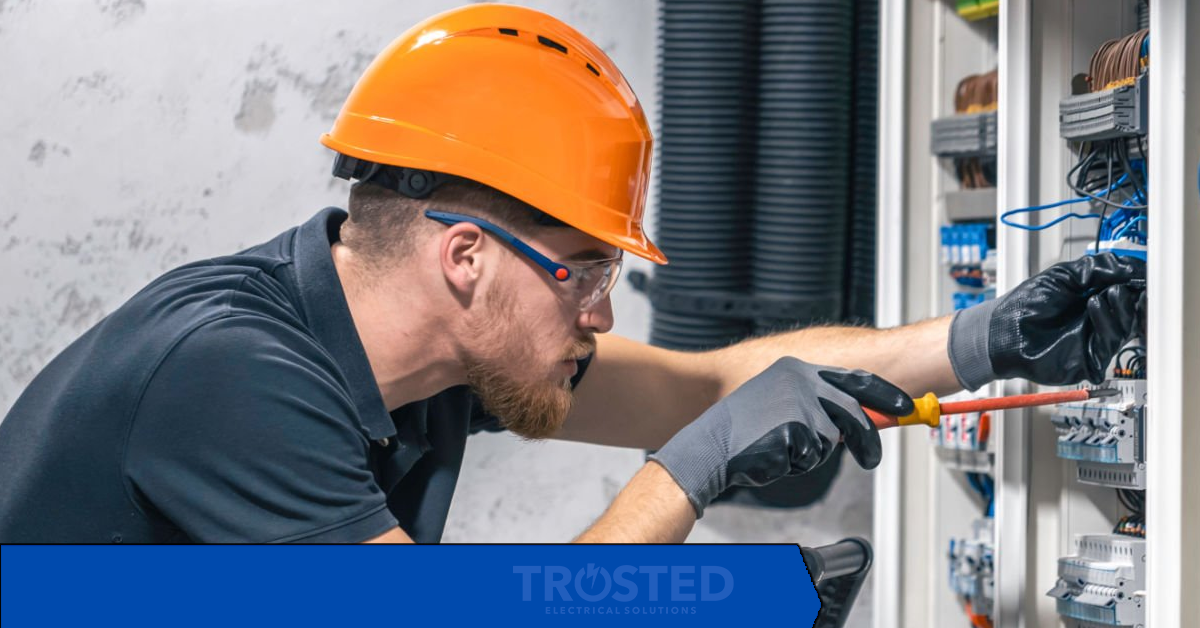
Understanding Surge Protection: Pros and Cons for Miami Homes
23 Dec, 2025
392
Info
All rise. The question before the court: is surge protection worth it for a Miami home? The prosecution presents the case for it. The defense presents the case against it. You are the jury.
The charge
Power surges threaten your wiring and appliances. They come from lightning strikes, power grid issues, and electrical faults inside your home. Miami's humidity and salty air corrode wiring and make electrical problems more likely — so the threat here is real, not theoretical.
The prosecution: the case FOR surge protection
Exhibit A — Appliance longevity. A surge protector absorbs excess voltage, prolonging the life of your devices. Imagine losing a new fridge or a sleek OLED TV to one power surge.
Exhibit B — Energy efficiency. Surge protectors mitigate the energy fluctuations that burn out appliances prematurely. With steadier energy use, your next FPL bill may be a little lower.
Exhibit C — Peace of mind. Knowing your home is protected against electrical surges lets you focus on enjoying life instead of worrying about the next storm.
The defense: the case AGAINST surge protection
Cost. Quality surge protection requires a substantial initial investment. Not every homeowner is eager to pay for additional electrical work — understandable, given the cost of living.
Limited protection. Not all surge protectors are created equal. Some guard against only specific types and sizes of surges. Choosing wisely matters.
Replacement needs. Over time, surge protectors wear out — especially in a humid environment. Regular checks are necessary to make sure they're still functioning.
Witness testimony: signs you need surge protection
Flickering lights during storms. Frequent blown fuses or tripped circuit breakers. Burning smells near your electrical outlets. Each of these may indicate a surge issue — catching them early saves costly repairs later.
Choosing the right protection
Type. A whole-house surge protector guards everything at the service entrance. Point-of-use devices protect individual major appliances. A licensed electrician can advise which fits your home.
Local regulations. Miami has specific building codes for electrical work. Any installation must meet local regulations.
Expert advice. If the options feel overwhelming, a licensed electrician who knows Miami's electrical challenges can guide you to the right choice.
Local circumstances the jury should weigh
Humidity and corrosion. High moisture wears on electrical systems, making them more vulnerable to surges. A robust protection plan matters more near the coast.
Aging infrastructure. Outdated electrical infrastructure in many areas can lead to increased surges. Staying proactive beats relying on older circuitry.
FPL and energy costs. Power outages, especially during hurricane season, can bring unexpected surges when power returns. Preparing now with quality surge protection may also save on energy costs.
The verdict
The evidence favors protection. Surge protection extends appliance life, steadies energy use, and brings peace of mind through Miami's storm season — as long as you weigh the costs, choose the right type, and keep the devices checked. Contact Trusted Electrical Solutions at 786-342-9582 or visit www.trustedelectricalsolutions.com to schedule your free inspection and quote today.
---
 Jose Luis Rey

Essential Guide to Extension Cords for Miami Homeowners
22 Dec, 2025
479
Info
An extension cord is rented power. You're borrowing electricity from an outlet and running it somewhere it wasn't meant to go. Like any rental, it comes with terms and conditions — and breaking them is how fires start. Read the agreement before you sign.
Term 1: What you're renting
Temporary power — not permanent wiring. Extension cords are not meant for long-term or permanent use. In Miami, sun, humidity, and salt-air corrosion wear cords out faster than expected. And FPL regulations plus local electrical codes still apply to anything you plug in.
Term 2: Length
The longer the cord, the more voltage drop it experiences — which can lead to overloading. Choose the shortest length that works for your needs.
Term 3: Gauge
Gauge is the cord's capacity to handle electrical flow. A lower gauge number means a thicker wire, which handles more power. For most household appliances, a 12- or 14-gauge cord is right.
Term 4: Indoor vs. outdoor
Outdoor-rated cords resist moisture and UV rays. If the cord goes outside, it must be rated for outdoor use.
Term 5: Certification
Make sure cords are tested and listed by a recognized testing lab. Look for the UL logo.
Termination clauses: replace the cord immediately if you see...
Frayed or damaged wires. Exposed wires mean risk of electrical shock.
Warm to the touch. A hot cord is likely overloaded — unplug it immediately, because that leads to fire hazards.
Burning plastic smell. Overheating. Don't ignore it; replace the cord at once.
Loose connections. A plug that doesn't fit snugly into the socket or the device is a dangerous situation.
Approved uses
Outdoor celebrations. Use heavy-duty cords rated for outdoor use, built to withstand weather.
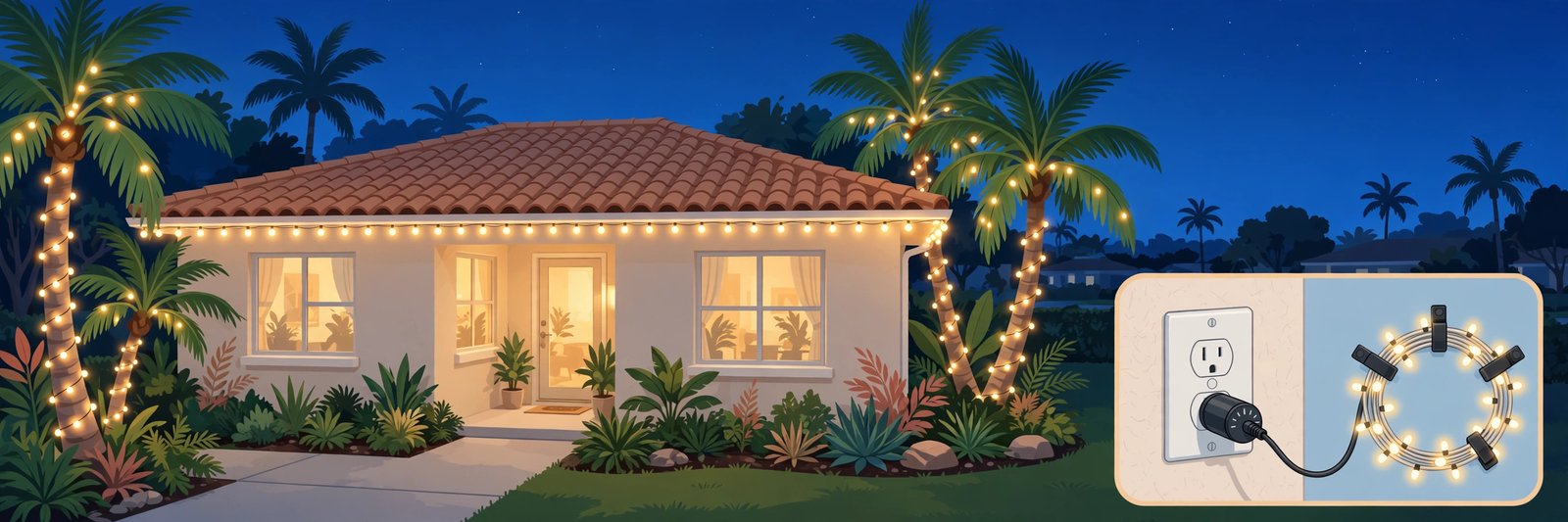
Festive decor. Use cords with timers to prevent overloading circuits during the holidays.
Tool usage. Use a sturdy cord rated for the tools you're running — that reduces the risk of tripping over cords or tripping a breaker.
Return condition
Loop cords neatly — don't leave them tangled, which creates weak points and damage. Store in a cool, dry place. Inspect before every use, especially after long storage.
The permanent solution
If you rely on extension cords every day, the real fix is more outlets. A licensed electrician can install additional outlets so you stop living on rentals — and your home complies with the Florida Building Code.
Questions about what's safe in your home? Contact Trusted Electrical Solutions at 786-342-9582 or visit www.trustedelectricalsolutions.com to schedule your free inspection and quote today.
---
Jose Luis Rey

Smart Plugs Safety Tips for Miami Homeowners
19 Dec, 2025
498
Info
Smart plugs let you control lights, appliances, and even your HVAC from your phone. But before you plug one in, run the pre-flight checklist. Every item below is a check that keeps a convenient device from becoming a hazard.
Check 1: Know your plug
Power rating. Check the wattage limit. Many plugs are built for low-draw devices like lamps or phone chargers — they can't handle heavy appliances like refrigerators.
Wi-Fi compatibility. Make sure your smart plug works with your home's Wi-Fi setup. Poor connectivity causes problems down the line.
Voice-assistant integration. Whether you use Amazon Alexa or Google Assistant, seamless integration matters for usability and safety.
Manufacturer specs. Always read the manufacturer's specifications and follow their safety guidelines.
Check 2: Climate
Humidity rating. Make sure your smart plugs are rated for humid environments. High moisture can compromise internal circuitry and create safety hazards.
Placement. Keep smart plugs away from splashes — not near sinks, not out on the patio. For outdoor use, invest in weatherproof smart plugs.
Corrosion watch. If you see rust or corrosion around a smart plug, or any sign of water exposure, unplug it and consult a licensed electrician.
Check 3: Load
One plug per socket. As tempting as it is to daisy-chain devices, don't plug multiple smart plugs into a single outlet. Each socket should serve one device — or a power strip rated to handle the combined load.
Warning signs. Outlets that feel hot to the touch or flickering lights mean potential overload or malfunction. If you suspect a problem, get a professional inspection.
Check 4: Schedule
Timers. Set timers so devices run during off-peak hours — with FPL billing in mind, scheduling saves money while you use the smart features.
Routines. Use the plug's app to set daily routines. Outdoor lighting on at sunset deters break-ins and keeps the home secure.
Integration. If you have a smart thermostat, have it adjust settings in concert with your plugs.
Check 5: Codes
Permits. Significant improvements like adding circuits for smart plugs may require permits. Check local regulations for compliance.
Expert help. If the code questions feel overwhelming, a licensed electrician who knows Miami's specific electrical codes can guide the installation.
Check 6: Heat
Unplug when unused. If you're not using a device, unplug it. That prevents overheating and saves energy — good for the environment and the utility bill.
Heat checks. Routinely check your plugs and connected devices, especially in summer. If a device becomes excessively warm, unplug it immediately.
Check 7: Habits
Teach the household. Make sure everyone in the family knows the basics: what the plug can handle, where it can go, and what a warning sign looks like.
Share the knowledge. Smart habits spread — talk with neighbors about monitoring plugs and devices with proper care.
Checklist complete. Smart plugs can make your home more efficient and convenient — used wisely, with the local climate and regulations in mind. Contact Trusted Electrical Solutions at 786-342-9582 or visit www.trustedelectricalsolutions.com to schedule your free inspection and quote today.
---
Jose Luis Rey

Power Strips vs Electrical Panels: Miami's Best Home Choice
18 Dec, 2025
481
Info
In the blue corner: the power strip — cheap, handy, everywhere. In the red corner: the electrical panel — the heart of your home's electrical system. Five rounds. No judges needed; the facts decide.
Round 1: What they do
The power strip gives you extra outlets in one place — plug in several devices where there was one socket. The panel distributes electricity throughout your entire home. One is an accessory. The other is the system.
Round 2: The danger
Power strips are often misused. Daisy-chaining multiple strips together overloads circuits and creates a fire hazard. An aging panel has its own problems — flickering lights, tripped breakers — but it fails by warning you, not by silently overloading.
Round 3: The local conditions
Miami's hurricane season brings heavy rains. Humidity and salt air corrode connections. Miami-Dade building codes set standards your panel must meet — an outdated panel can fall short and reduce your home's value. FPL has capacity and condition rules for your electrical system, and overloaded power strips can drive up energy costs. The panel is built for these conditions. The strip isn't.
Round 4: Warning signs your panel is losing
Frequent tripped breakers. Buzzing or crackling noises from outlets. A burning smell near your electrical panel. Discoloration around outlet faces. Difficulty running major appliances at the same time. Any of these means it's time to consult a licensed electrician — fast.
Round 5: The decision
If your home runs a lot of devices, the panel is the way to go. If your home was built over 20 years ago, prioritizing a panel upgrade over strips protects your family. And every home is different — the best course is advice from a licensed electrician who can inspect your system.
The verdict
Power strips are convenient. They are no replacement for a well-functioning electrical panel. Being proactive matters — ignoring potential problems leads to costly repairs and dangerous situations. Contact Trusted Electrical Solutions at 786-342-9582 or visit www.trustedelectricalsolutions.com to schedule your free inspection and quote today.
---
Jose Luis Rey

Your Essential Guide to GFCI Outlets in Miami
17 Dec, 2025
480
Info
Meet your home's bodyguard. It stands in the wettest, riskiest rooms in the house, watches every milliamp of electricity, and the moment something goes wrong, it steps in — faster than you can blink. Its name is the GFCI outlet.
The job description
A GFCI (Ground Fault Circuit Interrupter) outlet monitors the flow of electricity. If it detects any imbalance — say, a hairdryer falling into a puddle — it shuts off power immediately. That instant cutoff is what stands between you and an electrical shock.
Where it stands guard
GFCI outlets belong anywhere moisture lives: bathrooms, kitchens, garages, basements, and patios. Local electrical codes require them in wet and outdoor locations — and for good reason. In Miami's humid climate, unprotected circuits in damp rooms are an accident waiting for a moment.
Keeping your bodyguard sharp
Check your existing outlets. Look for GFCI outlets in every moisture-prone area. If you find standard outlets instead, it's time to upgrade.
Test monthly. Press the Test and Reset buttons every month to confirm the outlet still works. If the Reset button doesn't engage, call an electrician.
Go weather-resistant outdoors. Outdoor sockets need weather-resistant GFCI outlets to handle rain and splashes.
Warning signs your bodyguard is struggling
Frequent circuit breaker trips. Could indicate a larger wiring issue that needs professional inspection.
Burning smell or discoloration. A red flag. Cut power immediately and call an electrician.
Hissing or popping sounds. Faulty electrical connections need immediate attention.
Hiring a new one: how installation works
Choose the right outlet. Standard GFCI for indoors, weather-resistant for outdoor use.
Shut off power. Before any installation, turn off power to the circuit you're working on.
Wire it correctly. Connect wires to the correct terminals per the manufacturer's instructions.
Test the installation. After installation, test the outlet to confirm it works before plugging anything in.
Local building codes vary, so a professional who knows them is worth having on the job.
Why it pays to have one
Enhanced safety. Protection against shocks — especially important for households with children or pets.
Fire prevention. By cutting power before a dangerous situation escalates, GFCI outlets help prevent fires from wet appliances or faulty wiring.
Property value. Upgraded electrical systems improve your home's value — a real factor if you're thinking about selling.
The cost of going without
Electrical shocks — the most dangerous risk, with severe injury or worse. Fires from ignored circuit issues, causing losses that can't be undone. Insurance complications — most home insurance policies require updated electrical systems, and missing GFCI protection can complicate a claim.
Your bodyguard is already on duty in every wet room. Make sure it's fit for the job. Contact Trusted Electrical Solutions at 786-342-9582 or visit www.trustedelectricalsolutions.com to schedule your free inspection and quote today.
---
Jose Luis Rey
Tag Group
Recent Posts


About Author

Our Trusted Electrical Solutions takes great pride in delivering the best electrical services to our customers. We strive to ensure that each customer is satisfied with their experience.
If you are looking for an electrician, we encourage you to give us a call.
We look forward to helping you with all your electrical needs.

Quick Links
Business Hours
Mon - Sunday
24 Hours
Copyright © Trusted Electrical Solutions · Admin Login
Request a service