
Blog
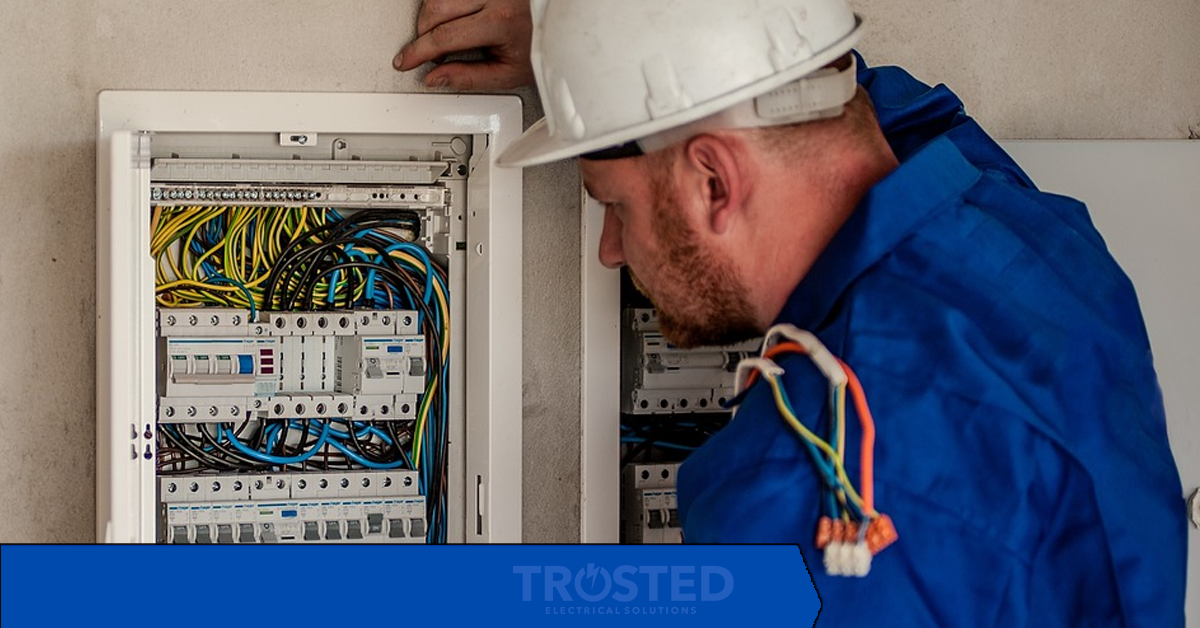
Smart Appliances: Are They Worth It in Miami Homes and Businesses?
05 Jun, 2025
774
Info
"Smart appliances sound like expensive toys. Convince me." Fair enough — here's the honest Q&A.
"What even counts as a smart appliance?"
Any everyday device with an internet connection and a brain: thermostats that learn your schedule, refrigerators that track groceries, ovens and lighting you control by voice, washers that run during off-peak hours, plugs and switches run from an app. The convenience is real — but the first question isn't which to buy, it's whether your electrical system can handle them.
"Do they actually lower my bills?"
The thermostat is the star: smart thermostats can cut cooling costs by up to 20% by optimizing run times. Smart washers and dishwashers shift cycles to cheaper off-peak hours. The savings are real, but they're concentrated in the devices that manage energy — a smart fridge mostly saves you a grocery trip, not kilowatt-hours.
"What about safety? I hear about hacked devices."
The useful safety angle isn't hackers — it's alerts. Smart panels and monitors can notify you about voltage irregularities, overloads, or a freezer losing power while you're away. During storm season, that early warning is worth more than the gadget factor.
"Can't I just automate everything with Alexa?"
Voice control (Alexa, Google Home, Apple HomeKit) is the easy part. The hard part is the infrastructure behind it: stable Wi-Fi in every room, circuits that aren't already maxed out, and a panel with room to grow. Older homes often need a panel upgrade or new dedicated circuits before the smart layer works reliably.
"What's the catch?"
Three of them. One: your electrical system may need upgrades first — an inspection tells you. Two: everything depends on solid Wi-Fi; dead zones mean dumb devices. Three: upfront cost is higher, though rebates and monthly savings typically close the gap within one to three years.
"So — worth it?"
If your wiring is ready (or you upgrade it), yes: lower bills, genuine convenience, and safety alerts you can't get any other way. If your panel is from the disco era, fix that first — then go smart.
Want an honest assessment of what your home can support? Trusted Electrical Solutions evaluates panels, installs dedicated circuits and surge protection, and wires smart home setups across Miami-Dade: call 786-342-9582 or visit www.trustedelectricalsolutions.com to schedule an evaluation.
---
 Jose Luis Rey
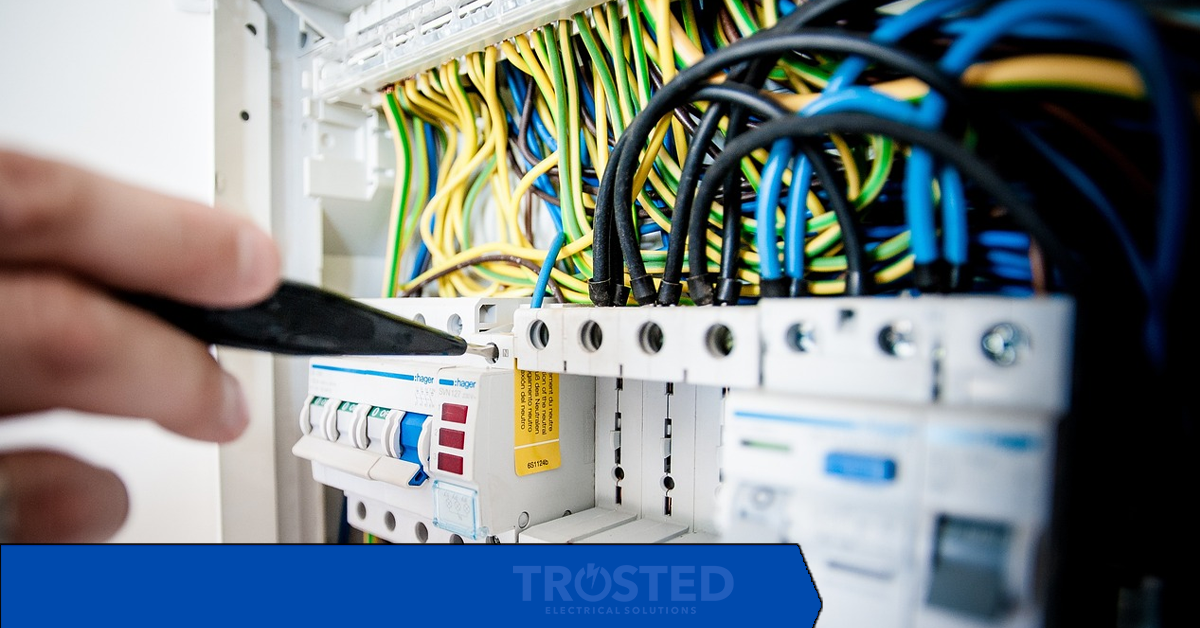
Energy Audits: What They Are and Why You Need One in Miami
24 May, 2025
756
Info
Think of an energy audit the way you'd think of an annual physical: a trained professional examines the whole system, finds what's silently going wrong, and hands you a prioritized plan to fix it. Here's how the appointment goes.
The symptoms (why you booked)
Your energy bills keep creeping up. The AC runs nonstop but some rooms never quite cool down. Maybe the lights dim when the microwave starts. These are symptoms, not the disease — and guessing at the cause is how people spend money on the wrong fixes.
The exam (what the auditor actually does)
A licensed electrician walks the property with specialized tools and training, checking the things you'd never think to check: lighting and wiring condition, HVAC electrical load, insulation gaps, air leaks, panel age and capacity. They also analyze your utility bills and usage patterns — the numbers tell a story your eyes can't.
The diagnosis (the report)
You get a written report, not a sales pitch: where energy is being lost, which losses cost the most, and what's a safety issue versus an efficiency issue. Overloaded circuits, outdated panels, and code violations show up here too — an audit catches fire hazards hiding behind high bills.
The prescription (the action plan)
Fixes are ranked by impact and cost: LED retrofits, smart thermostat installation, panel upgrades, surge protection, sealing the worst leaks. You do them in order, biggest return first, instead of all at once or at random.
The follow-up (why it pays)
Lower monthly bills. More even temperatures — no more hot spots and cold zones. A safer electrical system. A smaller carbon footprint. And a more attractive property when it's time to sell or rent. In a climate where cooling runs most of the year, the savings compound fast.
Skipped your property's checkup for a while? Trusted Electrical Solutions (FL License #EC13008917) performs professional energy audits for homes and businesses across Miami-Dade: call 786-342-9582 or visit www.trustedelectricalsolutions.com to book yours.
---
Jose Luis Rey

10 Smart Tips for Reducing Energy Usage in Winter
17 May, 2025
772
Info
Miami winters are mild — no snowstorms, no furnaces running for months. But heating systems, water heaters, and lighting still work overtime in the cooler months, and bills creep up anyway. Fix it in ten days, one small project at a time.
Day 1: Teach your thermostat
Install or program a smart thermostat to set back temperatures while you're away or asleep. A learning thermostat can cut heating and cooling energy by up to 15% — the single biggest lever on this list.
Day 2: Swap the bulbs
Shorter days mean lights burn longer. Replacing remaining old bulbs with LEDs saves up to 80% on lighting energy, and they last roughly ten times longer. Do the most-used rooms first.
Day 3: Blanket the water heater
Wrap the tank in an insulation blanket — especially if it sits in the garage or an unconditioned space. It retains heat instead of reheating constantly, saving 7–16% on water heating a year.
Day 4: Tame the shower
Install low-flow showerheads and faucet aerators. You keep the water pressure; you lose a chunk of the hot water (and the energy to heat it) going down the drain.
Day 5: Seal the leaks
Weatherstrip and caulk around drafty windows and doors. About ten dollars in materials, an afternoon of work, and noticeably less energy escaping.
Day 6: Service the HVAC
A clean system is an efficient system. Have filters, thermostats, and electrical components checked so everything runs the way it was designed to — before the first cold snap exposes the neglect.
Day 7: Hunt the phantoms
TVs, chargers, microwaves, game consoles — they sip power around the clock even when "off." Smart power strips or simply unplugging the worst offenders kills phantom loads for free.
Day 8: Dress for the thermostat
Every degree you lower the heat saves up to 3% on the bill. A sweater is cheaper than a kilowatt-hour.
Day 9: Reverse the fans
Most ceiling fans have a winter mode — reverse the blades to spin clockwise and push warm air back down. Thirty seconds, noticeable comfort difference.
Day 10: Get the full picture
A professional energy assessment finds the waste you can't see: inefficient circuits, an aging panel, insulation gaps. Then you fix things in priority order instead of guessing.
Ten days, ten small wins, one lower bill. Ready to start? Trusted Electrical Solutions — licensed and insured (FL License #EC13008917) — helps homeowners across Miami-Dade cut winter energy waste: call 786-342-9582 or visit www.trustedelectricalsolutions.com to schedule an assessment.
---
Jose Luis Rey
The Benefits of Switching to LED Lighting in Miami Homes & Businesses
12 May, 2025
693
Info
Let's follow one bulb. A 60-watt-equivalent LED costs a few dollars at the store. Here's what happens over the next decade — and why electricians keep recommending the swap.
Day 1: The purchase
You replace a 60W incandescent with a 9W LED. Same brightness. That's the entire installation: unscrew, screw in, done.
Month 3: The energy line drops
The LED uses up to 75% less energy than the incandescent (or halogen) it replaced. On the bill, one bulb is a whisper — but the average home has forty-plus bulbs, and commercial spaces have hundreds. The math scales fast, especially where cooling already dominates the bill.
Year 1: The first incandescent would have died
A standard bulb lasts roughly 1,000 hours. A quality LED lasts up to 25 times longer — around 25,000 hours. While your neighbor is on their third replacement bulb, yours hasn't blinked. Fewer replacements, fewer ladder trips, less maintenance.
Year 2: The heat you never noticed disappears
Incandescents convert most of their energy into heat — they're tiny heaters that happen to glow. LEDs stay cool to the touch, which means less burn risk, less fire risk, and (a bonus in warm climates) less heat fighting your air conditioning.
Year 5: The quality argument is settled
Better color rendering, instant full brightness, no flicker, no buzz, no warm-up delay. Warm white for living rooms, bright daylight for workspaces — the light is simply better, and it was better from day one.
Year 10: The ledger closes
One LED, still going. Roughly two dozen incandescents avoided. Hundreds of kilowatt-hours never purchased. No mercury disposed of (LEDs contain none, unlike some older bulb types), measurably less CO₂. And if you claimed a rebate — Florida Power & Light and other programs offer them for efficiency upgrades — the payback started even earlier.
The bottom line
LEDs win on energy, lifespan, safety, light quality, and environmental impact, with rebates sweetening the upfront cost. It's one of the rare upgrades that's cheaper, safer, and better-looking all at once.
Want the whole property converted properly — including dimmer compatibility and commercial retrofits? Trusted Electrical Solutions handles LED upgrades for homes and businesses across Miami-Dade: call 786-342-9582 or visit www.trustedelectricalsolutions.com for a consultation.
---
Jose Luis Rey

Solar Panels vs. Traditional Power: Which One Is Right for You?
06 May, 2025
739
Info
Same street, same size homes, same blazing summers. In January, the Riveras installed rooftop solar with battery storage; the Delgados stayed on grid power. Here's how their year compared.
Spring: installation vs. inertia
The Riveras paid a significant upfront cost — softened by tax credits, rebates, and financing — while the Delgados paid nothing extra. Solar captures free sunlight through photovoltaic panels; grid power arrives from plants burning coal, oil, or gas. Score one for inertia, for now.
Summer: the first real test
By July both families are running AC around the clock. The Riveras watch their meter barely move; the Delgados watch their bill climb with rates and demand. Solar produces no emissions while running; traditional power keeps releasing greenhouse gases with every kilowatt. The Riveras' system is also unfazed by the afternoon storms that knock the Delgados' block out twice — their battery carries them through.
Hurricane season: the outage
When the big storm hits and the grid goes dark for two days, the difference is stark: the Riveras' hybrid setup keeps the fridge cold and the phones charged; the Delgados are buying ice and eating out. Grid power is consistent — until it isn't.
Fall: the maintenance check
The Riveras hose off their panels — about fifteen minutes, twice a year. That's the maintenance program: minimal, with 25–30-year warranties. The Delgados maintain nothing, but they're fully dependent on aging infrastructure they can't control or inspect.
Winter: the ledger
Twelve months in, the Riveras' bills have been a fraction of the Delgados' — most systems pay for themselves in 5–10 years — and their home appraises higher, with energy independence buyers actively seek. The Delgados paid every month with no return, and remain exposed to whatever rates do next.
The honest verdict
Solar wins on long-term cost, emissions, resilience, and home value; the grid wins on zero upfront cost and zero effort. In South Florida, where the sun does most of the heavy lifting, the math favors solar for most homeowners who plan to stay put — but it starts with an honest look at your roof, your usage, and your budget.
Considering solar for your home or business? Trusted Electrical Solutions helps property owners across Miami-Dade evaluate and prepare for solar installations: call 786-342-9582 or visit www.trustedelectricalsolutions.com to discuss your options.
---
Jose Luis Rey
Tag Group
Recent Posts

About Author
Our Trusted Electrical Solutions takes great pride in delivering the best electrical services to our customers. We strive to ensure that each customer is satisfied with their experience.
If you are looking for an electrician, we encourage you to give us a call.
We look forward to helping you with all your electrical needs.

Quick Links
Business Hours
Mon - Sunday
24 Hours
Copyright © Trusted Electrical Solutions · Admin Login
Request a service